Smart metrology: connecting equipment, data and future grids
Smart measurement has become an important component of modern utilities infrastructure, with real-time monitoring and management of resources such as energy, water and gas through connectivity. As the public utility system evolves in a digital, distributed and sustainable direction, the automatic collection, transmission and analysis of high-frequency consumption data has become a core capacity to improve operational efficiency, enhance grid resilience and meet regulatory requirements。
The diffusion of smart meters not only reflects the mature applications of technology in the utilities sector, but also reflects the overall trend of the network structure from centralized data acquisition to synergetic development of marginal intelligence and clouds。
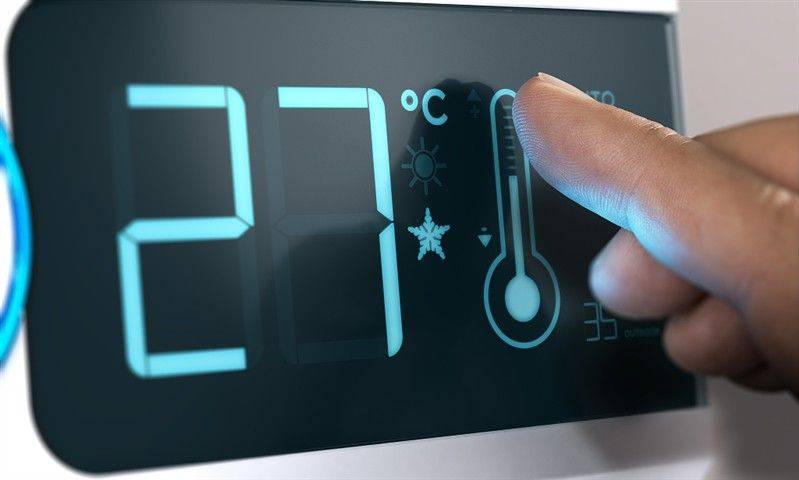
Core elements outline basic concepts of intelligent measurement
Intelligent measurement means the continuous monitoring of electricity, natural gas or water resources and the uploading of data to centralized systems for analysis, costing and transport management, using metering equipment with remote communication and automated data recording capabilities。
Compared to traditional instruments that rely on manual reading, smart meters can achieve high frequency and continuous data collection, which is the front-end node of the networked ecosystem, with the task of generating big time series data. These data are not only used for costing but also support key elements of load management, demand forecasting, power outage positioning, resource optimization and user interaction。
Intelligent metrology systems typically fall within the category of advanced metrology infrastructure (ami), including core components such as metrology equipment, communication networks and measurement data management systems (mdms)。
Structure of the system
A complete intelligent measurement system typically includes a three-tiered architecture of peripheral equipment, communication networks and back-end data platforms, which work together to capture, transmit and process data。
1. Marginal equipment (smart meters)
Internal integration of smart meters:
Equipment usually collects data for 15 minutes, or even shorter periods, as required by regulation. In more advanced realization, there is a marginal computing capability to perform preliminary analytical tasks such as detection of anomalies, equipment status judgement, etc. Locally。
2. Communications networks
The data collected are transmitted to the utility back-office system by various means of communication:
The choice of means of communication usually depends on infrastructure conditions, cost models and regulatory constraints。
3. Backend system
Once the data enters the utility system, it will be done through mdms:
In large deployments, the synergy between cloud platforms and edge nodes can significantly reduce data processing delays and enhance system resilience。
Key technology systems and standards
Smart measurement systems involve multiple layers of technology and standards, covering hardware, networks, protocols and security。
1. Communications technology
2. System of agreements
3. Security mechanisms
The combination of standards reflects the complexity and long-term evolution of the technological system in the electricity and utilities sector。
Web-based applications of major objects
Smart metrics provide multidimensional applications for utilities and urban management:
1. Electricity system operations
2. Water resources management
3. Gas management
4. Needs-side response and user interaction
5. Industry and smart cities
Analysis of strengths and constraints
1. Strengths
Limitations and challenges
Market ecology and chain analysis
An intelligent measurement ecosystem consists of multiple stakeholders:
The whole ecology is characterized by long deployment cycles, high capital intensity and strong regulatory constraints, making industry development sound and sustainable。
Future trends
Intelligence measurement will be further integrated with the internet, new energy systems and digital architecture, showing the following trends:
1. Enhanced peripheral intelligence
The meter will have a stronger computing capability to implement local decision-making to reduce the communications load and increase the speed of response。
2. Advanced communications technology applications
New technologies such as lpwan, 5g and satellite communications will enhance deployment capabilities in remote and complex environments。
3. Depth integration with distributed energy
As photovoltaics, storage capacity and electric cars become popular, the meter will assume key roles in two-way measurement, current management and dynamic pricing。
4. Data analysis and ai-driven operations
Predictive maintenance, anomaly detection, load forecasting will rely on a larger machine learning and large data platform。
5. Higher security and privacy requirements
Network security standards will be continuously upgraded to safeguard the resilience and security of critical infrastructure。
Interpretation of frequently asked questions
1. What are the differences between smart and traditional measurements
Response: traditional instrumentation relies on manual reading, with low frequency of data; smart metering systems have automated collection and remote communication capabilities to provide real-time data on high frequency。
2. What are the means of communication commonly used in smart meters
Response: includes cellular communications (e. G. Lte-m, nb-iot), radio frequency network, plc and lpwan technology such as lorawan。
3. Is the smart meter safe
Response: safety depends on system design and implementation. Modern deployments typically use encryption, forgery prevention, identification and key management mechanisms to secure equipment and data。
4. What are the benefits to utilities
Response: this includes, inter alia, improved operational efficiency, increased accuracy in costing, enhanced visualization of the network and improved demand-side responsiveness。
5. Does smart measurement support renewable energy integration
Answer: yes. Smart meters can monitor distributed power generation and storage equipment and provide data support for renewable energy grids。