Professional introduction
Resource surveying is an engineering geology specialty, based on geology, which integrates the multidisciplinary knowledge of geophysical, geochemistry, energy development and the development of complex talent with mineral resources surveying, energy exploration, geological engineering design and management capabilities。
Aims of development:
Development of “geological, technical and practical” applications capable of surveying, evaluating, developing and managing mineral resources, energy exploration and geological disaster management。
Core courses:
- basic categories: general geology, mineral rockology, tectonic geology, geophysical exploration
- professional categories: mineral deposits, energy geology, mineral exploration theory and methodology, oil and gas field exploration and development
- practice categories: geological field training, mineral surveying course design, production internships (e. G., gold mining, chinese oil, etc.)。
Direction of the study:
Mainstream direction: geological engineering (40 per cent), mineral census and exploration (30 per cent), earth exploration and information technology (20 per cent)
Emerging directions: new energy geology (shale gas, geothermal), green survey techniques
Recommendations by institutions: china geological university (wuhan/beijing) (a+), jilin university (b+), chengdu polytechnic university (b+)。
Employment orientation:
1. Resource exploration and energy exploitation (50 per cent):
- positions of geological engineers (80,000 to 150,000 annually), oil and gas exploration technicians
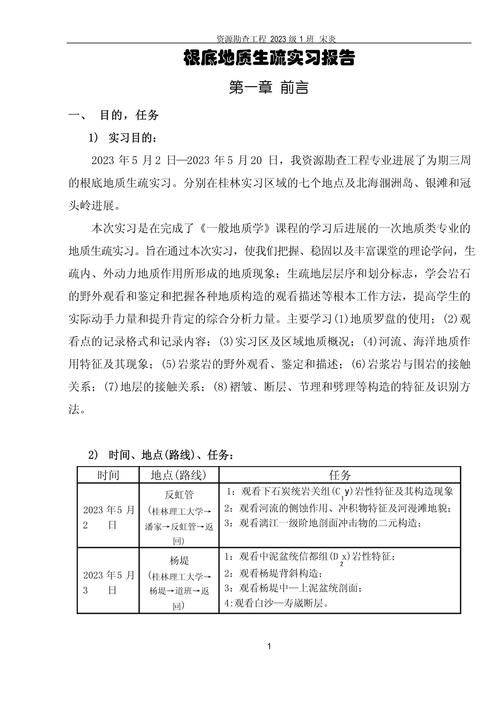
- enterprises: central oil, chinese petrochemicals, purple and western mining。
2. Geological disaster prevention and environmental protection (30 per cent):
- posts: geological disaster monitor, environmental assessment engineer
- office of natural resources, department of eco-environment。
3. Scientific research and education (15%):
- positions: researcher, university teacher
- china university of geology。
4. International projects (5 per cent):
- position: manager of the overseas mineral survey project
- enterprises: srembeche, shell。
Strengths and disadvantages
Strengths:
Policy support: the national “bicarbon” strategy promotes the survey of new energy minerals (lithium, cobalt, rare soil) with a talent gap of 120,000
2. Stability in employment: 60 per cent of the employees entered the firm/company and received more than $6,000
3. Technical frontier: technologies such as ai, drones, etc. Have increased the efficiency of exploration and demand has surged in new energy areas。
Disadvantage:
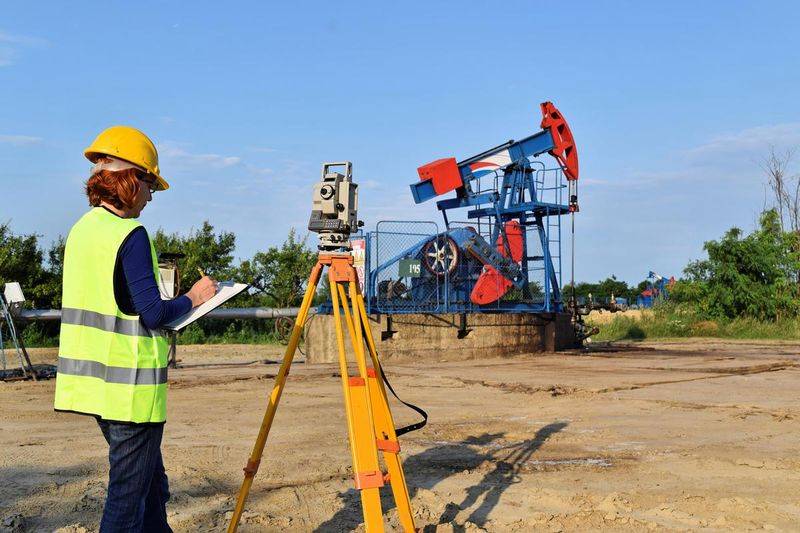
1. Field work: short-term (one-three months/year) field operations, with some of the jobs in difficult conditions
2. High competition: top-level institutions with high entry scores (e. G., china university of geology over 600 points)
3. Geographical limitations: quality jobs are concentrated in front-line cities and resource-rich areas (e. G. North-west, south-west)。
Average remuneration of graduates in provinces and municipalities
First-line cities (beijing, shanghai, shenzhen):
- initial pay due: 80,000-120,000 per year
- technical management posts: annual salary of 180,000 to 300,000 (e. G., head of a geological disaster prevention project)。
Resource-rich areas (north-west, south-west):
- land and earth engineers: 100,000 - 200,000 per year
- hydrocarbon explorers: annual salaries of 120,000 to 250,000。
Hebei province:
- local state enterprises/entities: annual salaries of 60,000-120,000
- private enterprise: annual salary of 80,000-180,000。
Appropriate type of student
(a) the basics of the discipline: physical (mechanism, electromagnetics) and geographical (geological basis) performance is excellent and mathematics is sufficient
Character:
- advantage of outdoor exploration and acceptance of short-term field work
- patience and data analysis
- responsible for the security of national resources and energy development。
Career planning:
- technology: deep-growing new energy mineral surveys (e. G. Lithium, cobalt), shale gas development
- management team: move to project management or director of enterprise technology
- academic studies: doctoral studies, access to institutions of higher learning or scientific research。
Risk tips: a certificate from a registered geologist is needed to focus on emerging areas such as ai geological exploration and green surveys。
Summary
The resource mapping project is a “national strategy + technology intensive” gold track suitable for students with both technical thinking and practical skills. Recommendations:
1. Selection of institutions: priority is given to top-level institutions such as the geological university of china, jilin university or hebei engineering university (regional employment advantage)
2. Skill enhancement: major attacks on gis, seismological exploration software, participation in industry competitions (e. G. National university students ' geological skills competition)
3. Career planning: in-depth study towards new energy geology or artificial intelligence exploration, targeting core units such as the ministry of oil, natural resources, etc。
Over the next five years, as new energy transformations and resource security needs surge, the demand for the profession will continue to expand in the areas of lithium mines, rare land, geothermal, etc., subject to competing pressures of technology and industry。