What's fibre
The fibre-optic is made up of highly transparent glass fibres and materials wrapped in it。
Fibres are the abbreviations of optical fibres and are a small and soft transmission medium consisting of a group of optical fibres used to transmit beams。
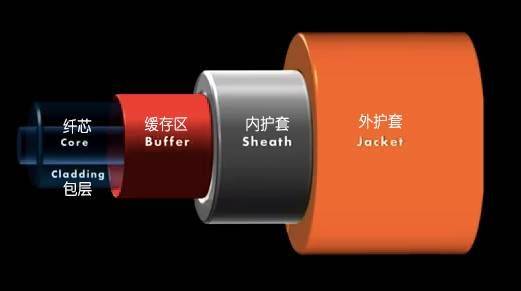
The fibre-optic structure is typically composed of coatings, bundles, and fibre-optic cores。
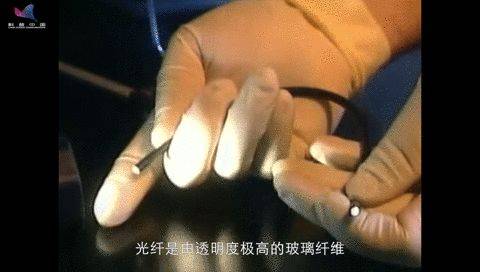
It is a soft thread drawn from stone glass or special plastics, ranging in diameter from a few millimetres (multiple wavelengths of light) to 120 meters. It's like water running through a pipe, and light can be transmitted internally along this thin line。
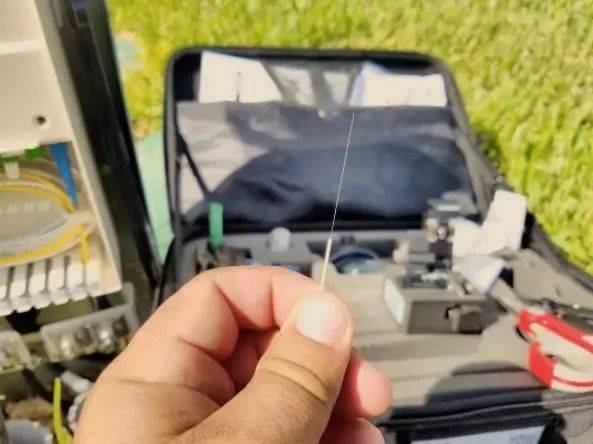
It is this little piece of glass that today has completely changed human life. It is no exaggeration to say that fibre-optic communication was the last miracle in human history that went beyond time and space, from the invention of steam engines to ships and trains, where human beings never so close to obsolete space。
The principles of fibre optics
It's based on the full reflection of light. When the light enters the glass fibre at the right angle, the refractive light disappears and the light is reflected in its entirety。
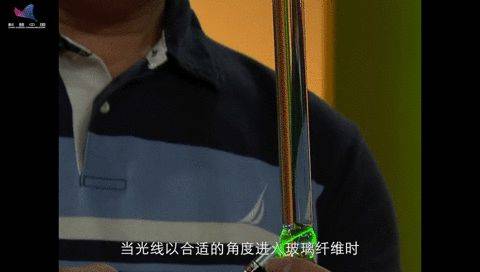
Based on the full-reflective principle of geometric optics, fibre-optics are bound to the core for transmission。
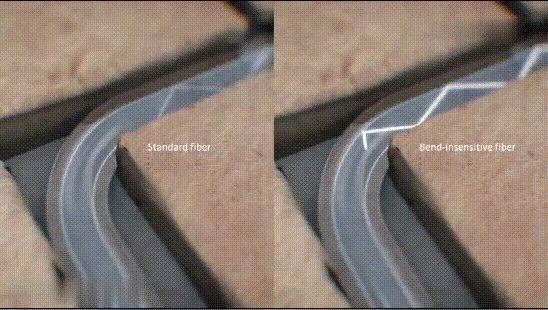
The video below explains clearly:
Manufacture of fibre optics
The manufacture of communication fibres is divided into a bar and a lesbian process, which, of course, is finally tested。
It's amazing. Look at how it's made. It's more magical
A suitable glass bar is first melted and, in order to achieve a fibre-optic core refractive rate higher than that of the cape, a small amount of material (e. G., luminium) with a high refruit rate is first evenly integrated in the preparation of the fibre-chip glass bar。
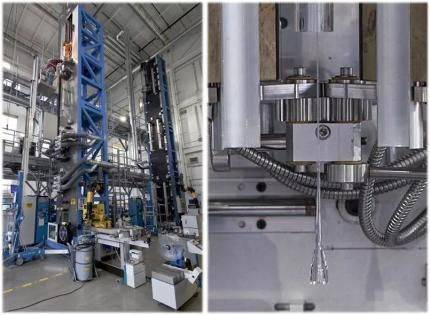
Rasta and the fibre-optic initial landing point
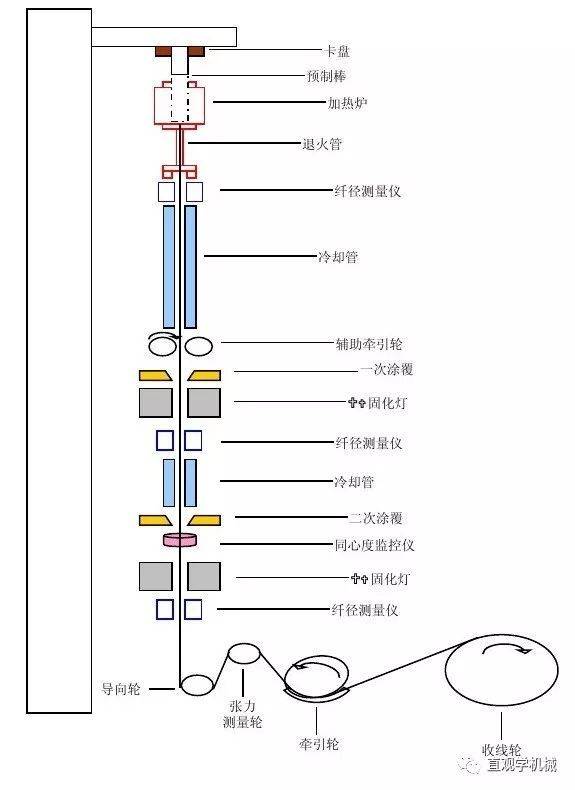
The fiber-optic lasta
When the glass is prepared, the material (e. G. Boron) is then evenly integrated with less than quartz reflectivity. This is the original glass bar that pulls fibre, which is usually called a fibre-optic prefabricated bar。
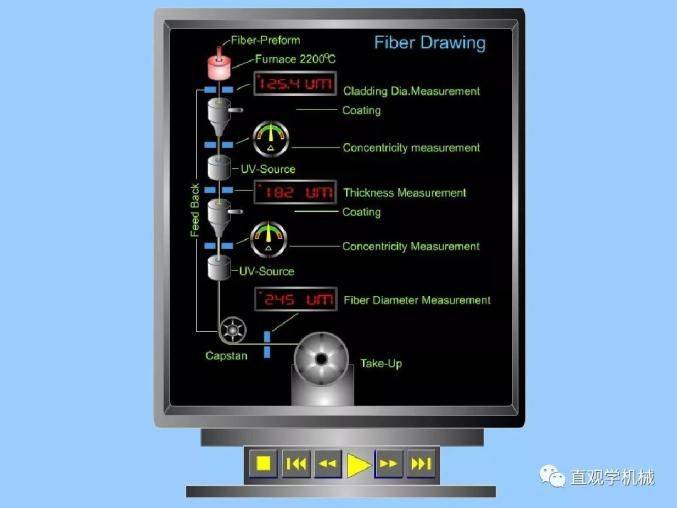
The pre-fabricated rods are placed in high temperature (approximately 2000°c) radish towels and softened, resulting in very thin threads of glass, and a layer of high-molecular material coated above the glass wire to enhance the softness and mechanical strength of the glass silk。
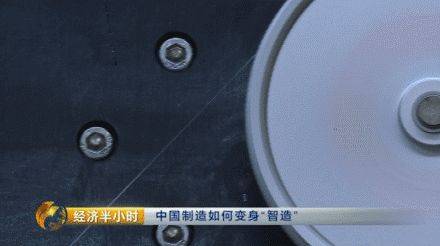
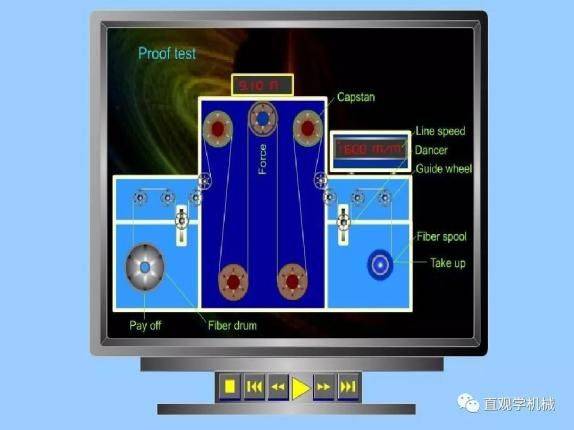
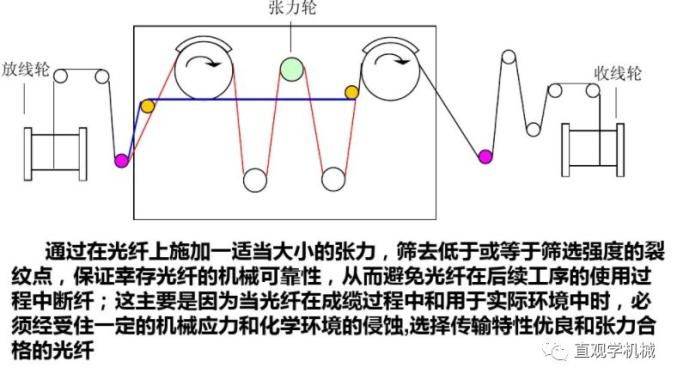
Let's get this straight:
The question arises: how do two fibers fit together
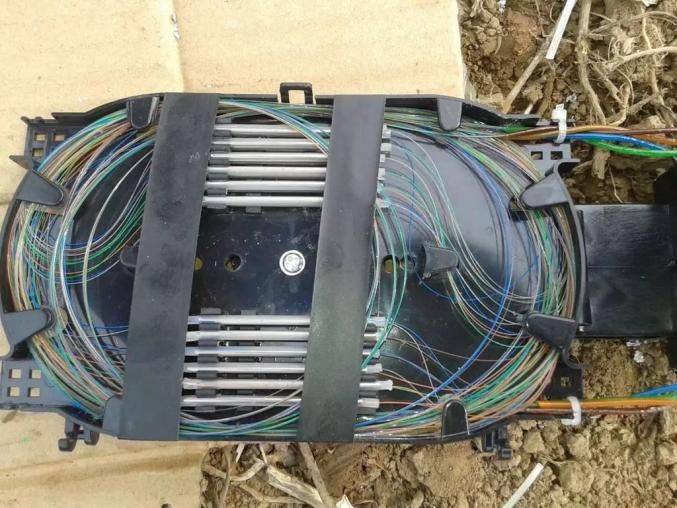
There are actually two ways: fibre-optic cold and fibre-optic melting。
Fibres melting: the two fibres need to be connected with a melting machine, a fibre cutter, and no other supporting material is required。
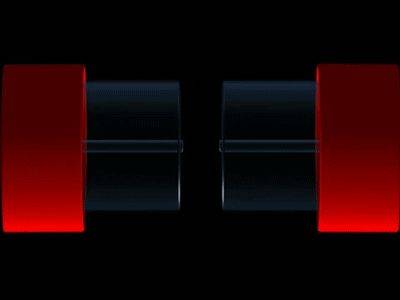
There are the following:
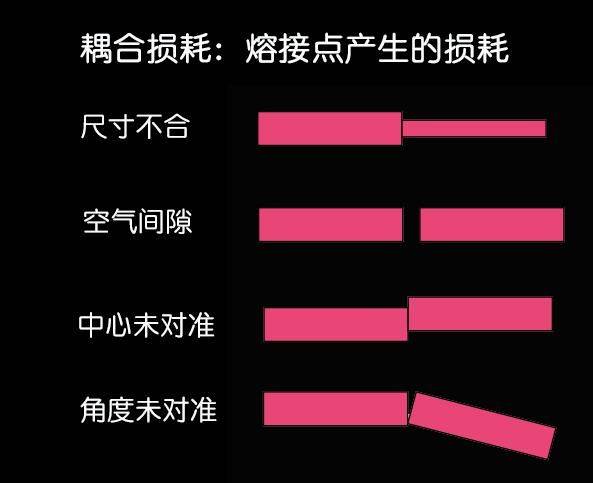
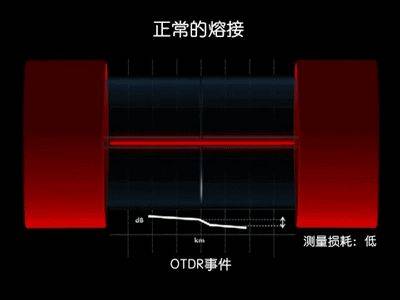
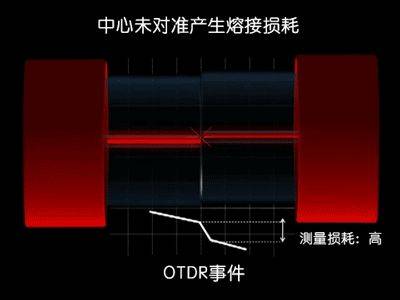
Fibre-cooling: not much equipment, fibre-optic cutter. But each point requires a fast connector (it can be said to be a future mainstream operation)。
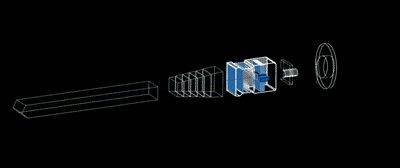
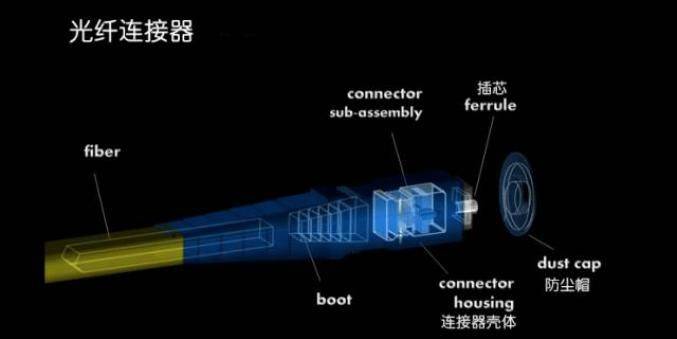
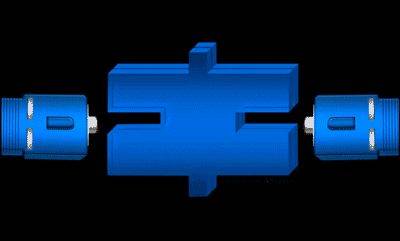
Fibre adapter
Zenium
It seems simple, that fibre-optics melt this kind of work, and usually the old man can't do it。