Honda recently released a new pilot, 3. 5-litre v6 self-sucking engine with a super four-waySevenBig space, you look like you're hitting on your familyHard suvMarket. However, it has been reported that the cost of start-up overseas has increased by nearly $2,000, and that it would have to run up to an estimated 400,000 if it had been brought into the country. Let's talk about it from a few angles today。
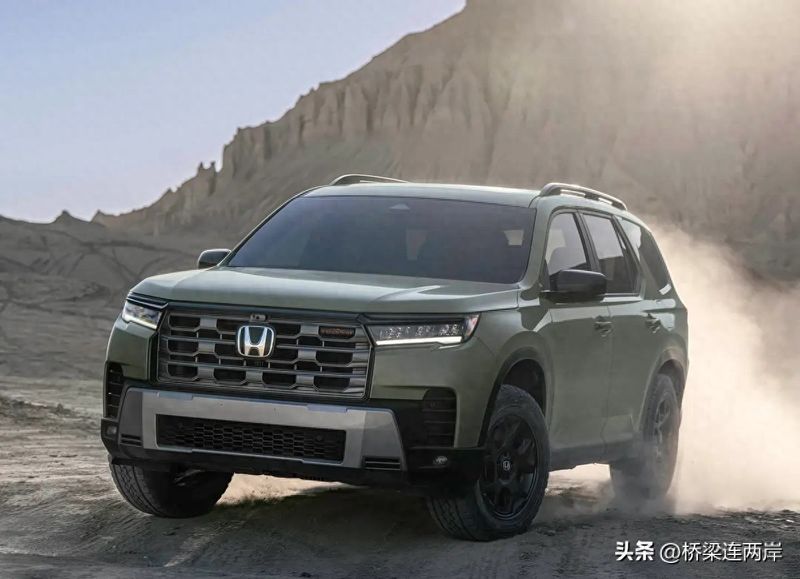
Technically, honda maintains a high-volume self-absorption route, a 3. 5l v6 output of 285 horsepower matching the 10at gearbox, which is not very radical in the data, but smooth and reliable has always been an advantage. The carrying body, together with the former mcpherson, and the rear multiple poles, are clearly a combination of road comfort and light crossing, which is not the same as the non-carrier hard-wing crossing. The four-way system is highly intelligent and creative on a daily basis, but it may be better to challenge the extremes than to push the core over time。
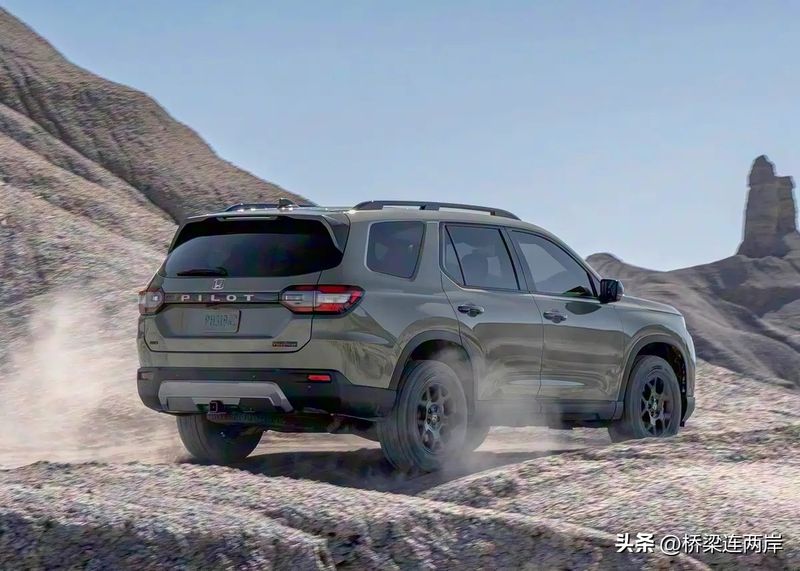
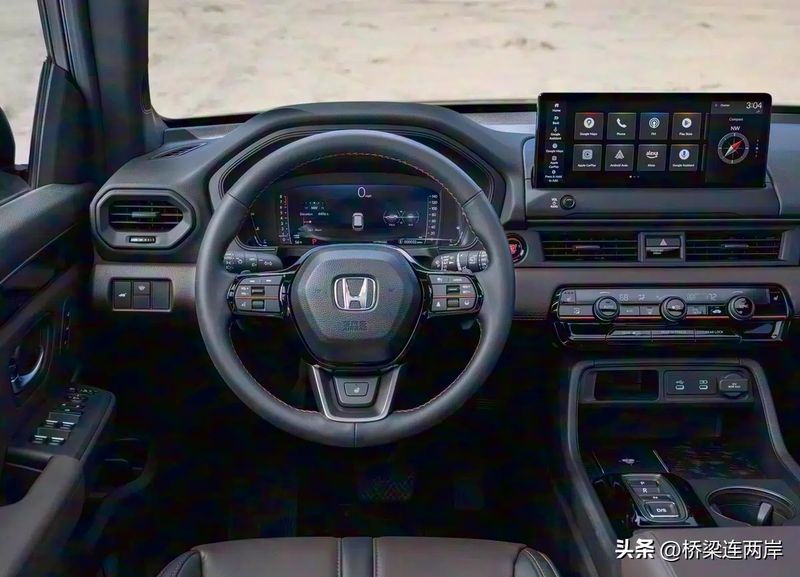
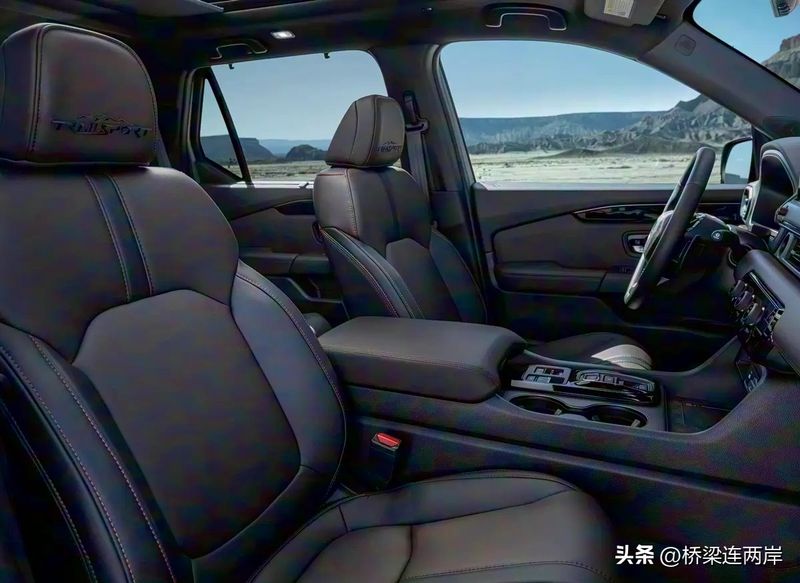
On the user side, seven just needed more attention from their families. 2874 mm axle range, two rows flat and space flexibility is good. The interiors were upgraded this time, with the leather and piano paints and a 12. 3-inch middle-screen, and the technology is up to date. However, domestic users are now increasingly focusing on energy consumption, with 3. 5 l discharges, and fuel consumption will certainly not be low, which may discourage many in today's new energy cycle。
From a market perspective, domestic hard-core suvs are now very thick. Tanks 300 and cheetahs, which are domestically produced, balance fuel consumption and power with mixing, with a price of between 200,000 and 300,000. In the joint venture, toyota prado was used for his change, and the japanese owner was given a large space value. Pilot has no advantage in terms of prices if imports are introduced, and if domestic production does not contain costs or is it a problem. Moreover, domestic emission policies are tighter each year, and the future of large-scale self-absorption is not promising。
There is a clear bias towards new energy sources in the industry, and hard suvs are undergoing transformation. Deep blue g318, looking at u8 by electricity to achieve a back-to-back, floating pattern, has completely changed. Honda's pace is not fast at the pace of electronization, the pilot oil flagship, more like a insistence on the old age. However, in global markets, especially in north america, such vehicles are marketed, with high chassis, large space and steady power, suitable for long travel and light outdoors。
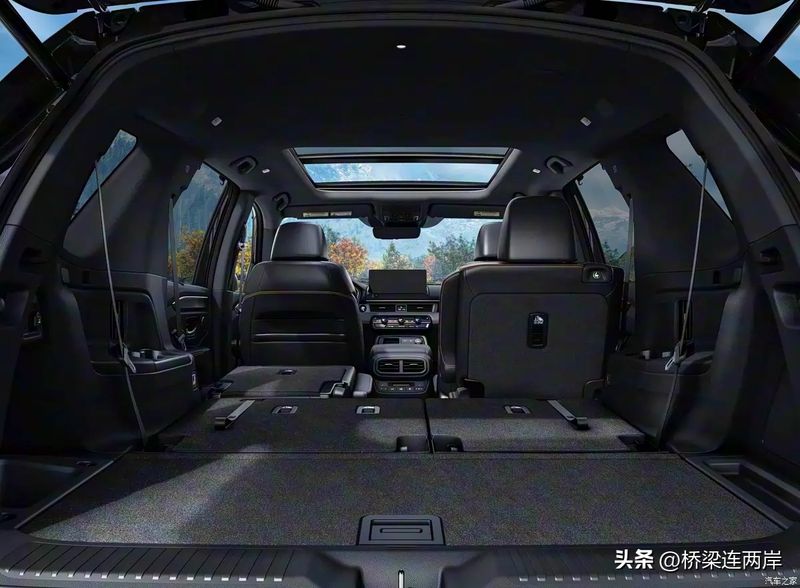
Speaking of the international perspective, pilot was originally developed for north america, where oil is cheap, road conditions are mixed, and v6 self-inspiration is justified. But with china, the environment is completely different. Oil prices, regulations and user habits are challenges. The world of the future must be electricity, but during the transition, will this “family hard-core suv” be consumed in a wave? After all, there's a lot of people who like the sound of engines and the feeling of mechanical pedals。
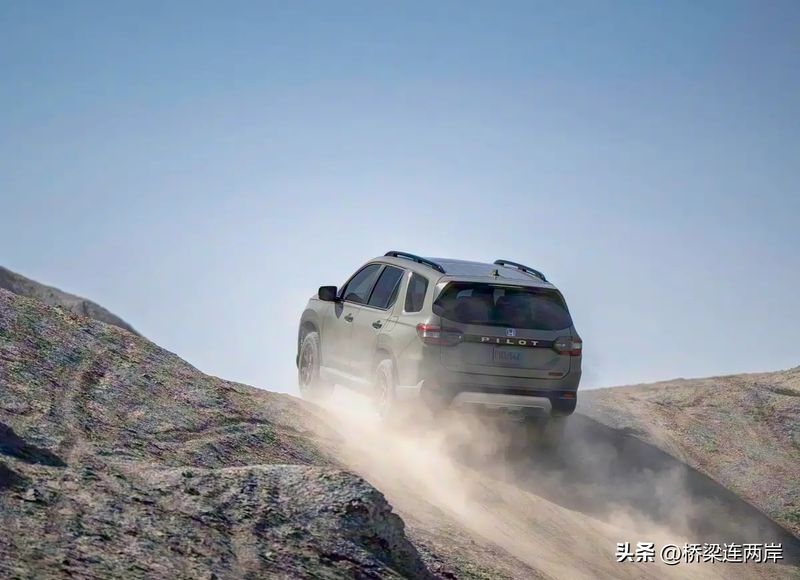
Last question to throw: if the price of land is more than 400,000, would you choose a fuel honda, which is low in fuel consumption, or add tens of thousands of new energy hard-ons, or save hundreds of thousands of domestic goods to mix? The comment section was noisy。
Focus on me. Get the latest car information first
![新闻资讯APP排行,手机新闻APP排行榜前十名,手机看新闻哪个软件好[2026]](https://www.3z0.cn/file/upload/202608/26/1787681122214_lit.jpg)