Slurry and concrete, which are two widely applied materials in construction work, have some similarities, despite significant differences in performance, use and construction characteristics, as follows:
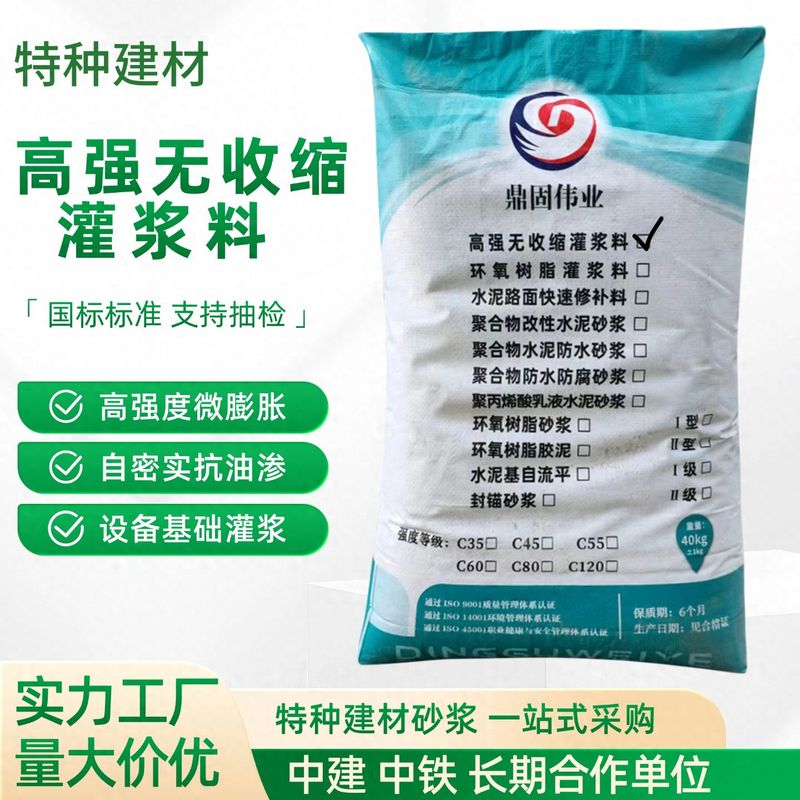
I. The substance of the material and the composition of the base inorganic concrete material are at the core
Both slurry and concrete are combined with inorganic cement materials, such as cement, to create rigidity through the hydrochemical reaction of cement, giving the material basic strength and durability. Bone participation structure
Both contain bone components: concrete: sand, rock as coarse bones, forming skeleton structures, inhibiting cement contraction and carrying loads. Slurry: although the particles of the bone are more fine (e. G., high-strength mineral powder), they also increase the material density and increase the resistance to pressure and decomposition through bone filling. Wateric reaction hardening mechanisms
Both sclerosis processes rely on the chemical reactions of cement and water (hydrochemical reactions), generating gels such as calcium hydrosilicate, aggregating the bone into a whole and forming a hardened structure of strength。
Ii. Strengths of resistance to basic common performance
Both slurry and concrete are performance indicators based on stress resistance, capable of bearing larger vertical loads and suitable for scenarios such as base, load structure, etc. For example, high-intensity slurry resistance can be up to c60-c80, which overlaps with high-performance concrete intensity ranges. Endurance safeguards
Both have long-term durability: resistance to environmental erosion: resistance to rainwater, general chemical media (e. G. Weak acids, weak alkalis) applicable to outdoor engineering. Anti-aging performance: material performance is slow to decline over time under normal conditions of use and can maintain stability for decades. Plastic adjustment space
Different engineering needs are met by adjusting matching ratios (e. G., ash ratio, bone ratio) or by adding additives (e. G., water-depressants, tarcrete), which are flexible in controlling the mobility of the two, the condensation time, etc。
Iii. Application of overlapping landscape structures for the consolidation and restoration of concrete: enhanced cross-sections or crack repair for structural components such as beams, columns, plates, etc. Slurry: remediation of internal defects in concrete structures (e. G., beehives, holes) or surface damage through high pressure injections or surface closures, which are commonly used in conjunction. (c) equipment base fixed concrete: a basic pillar of equipment to provide overall carrying capacity. Slurry: a combination of a “basic + fixed” integrated solution can be achieved by filling the floor foot bolts with a secondary slurry or a gap between the equipment and the base to ensure the precise positioning and stable operation of the equipment. Underground works and waterproof concrete: construction of waterproof structures such as continuous underground walls and floors. Slurry: a complex waterproof system of “hard waterproofing + soft patches” is formed by permeating crystallization or chemical plubber technology, repairing concrete structure leakage points, enhancing water sealing。
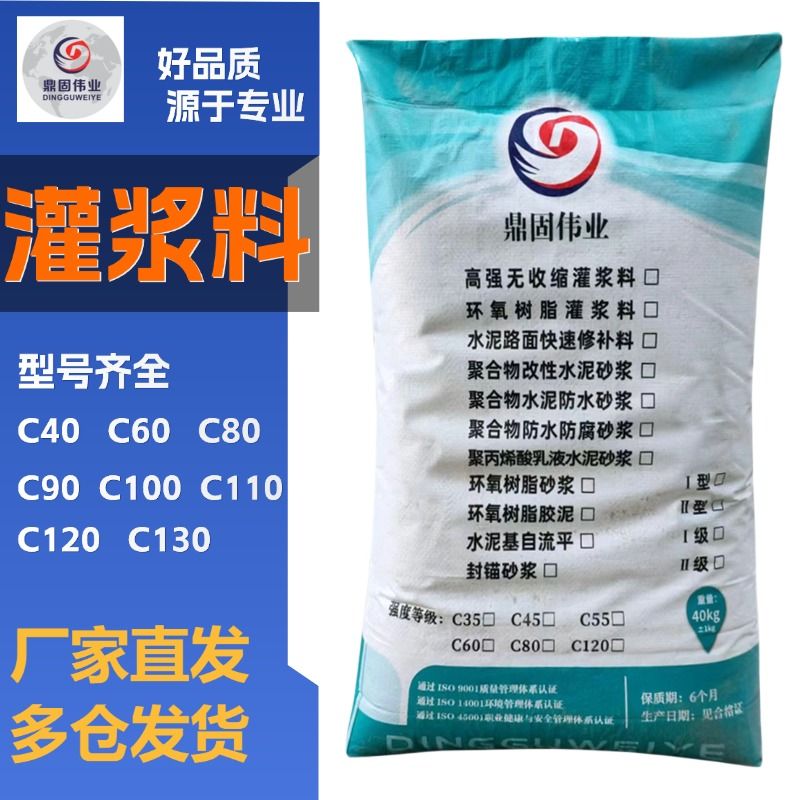
Iv. Dependency on the construction process relevance template
Both will require template support: concrete: large templates will be required to form the contours of the structure (e. G., pillars, beams). Slurry: while more is used for local repair, templates are still needed to define the scope of the extensive slurry to prevent material loss. Conservation needs
Stabilization requires conservation to promote intensity development: concrete: normally cover 7-14 days of moist maintenance. Slurry: the maintenance period is short (e. G. 3-7 days), but it is equally important to avoid early water loss leading to fragmentation. Quality testing commonality
Both are required to test the strength of a standard test block and to assess the quality of the site using a non-destructive test (e. G. Echo, ultrasound) to ensure compliance with the design requirements。