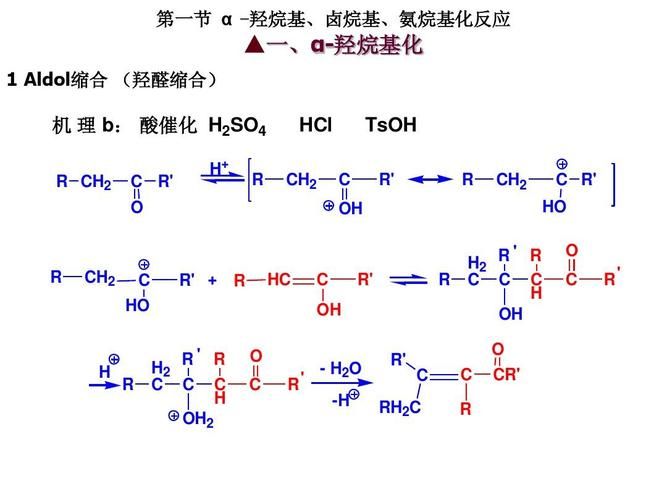
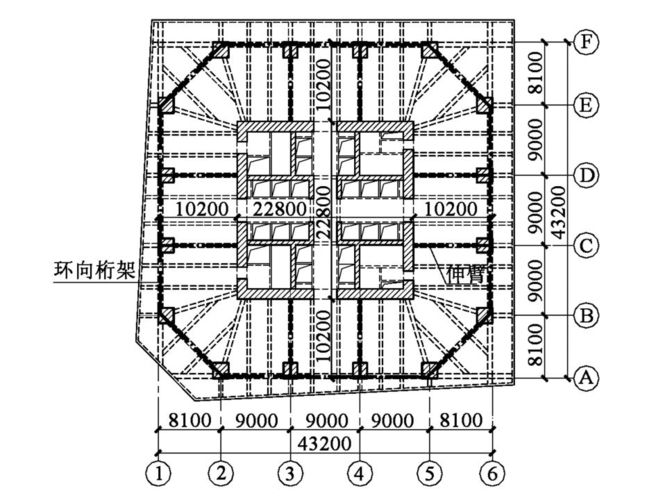
Cement, the grey powder that we are exposed to almost daily, is an indispensable building material for modern society. Whether the skyscrapers, the bridge across the sea or the sidewalks at the door of the house, there are concrete figures. But have you ever wondered why a bag of dry and loose cement powder, when added to the water, is gradually condensed and eventually hardened
The reasons behind this seemingly unusual phenomenon have triggered a century-long scientific exploration. The history of cement dates back to the time of ancient rome, when the ancients mixed lime with volcanic ash and built an architectural miracle such as the temple of god, which remains unfailing. And modern cement originated in the united kingdom, where joseph asputin invented the first modern type of cement。
There are many different types of cement today, the main components of which vary somewhat, including silicate cement, slag cement, volcanic ash cement, among which silicate cement is the most common type. Different types of cement composition vary, but the underlying principles for hardening are similar。
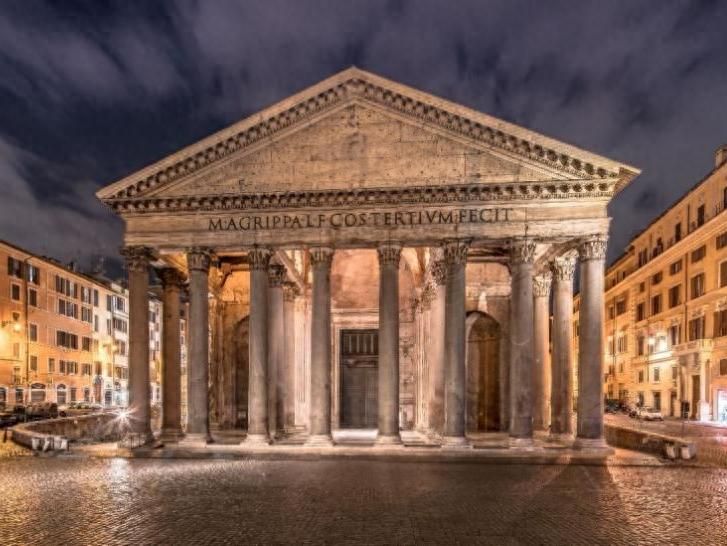
The temple
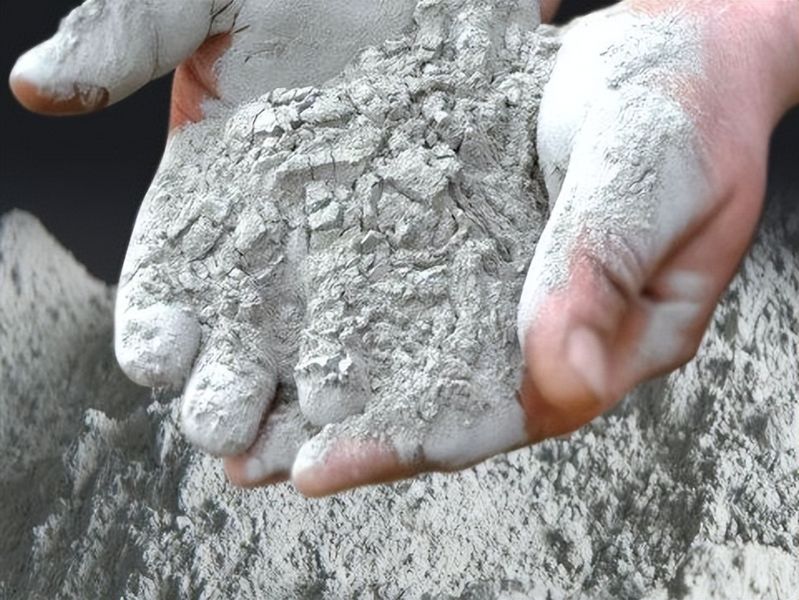
Cement powder
The core secret of cement encountering water is hidden in the microstructure of cement powder, where cement clinkers form unstable microstructures during high-temperature processing, which are then cooled off by the wind-drillers so that high-temperature unstable microstructures are preserved. It is because of these microstructures that cement has hydrogenic activity and only when used can it react to water and condensate. Once this core process is completed, cement production will be completed。
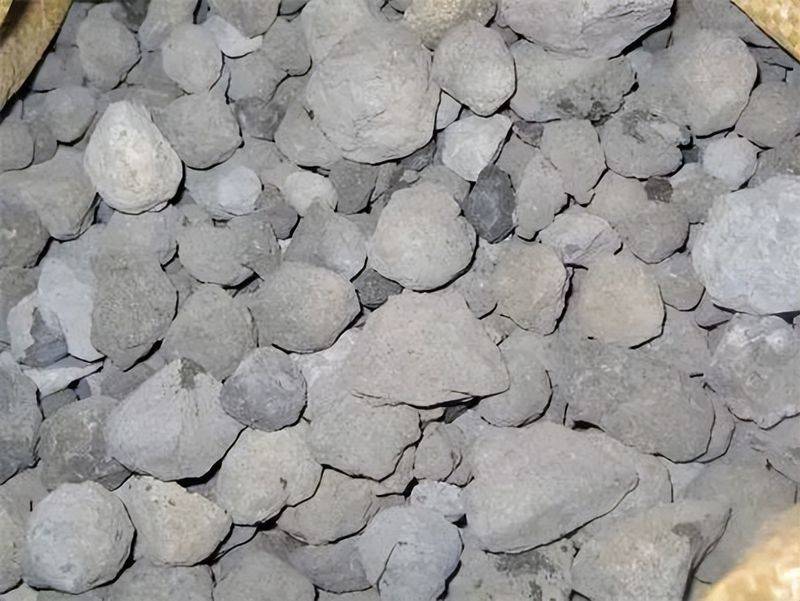
Cement clinkers
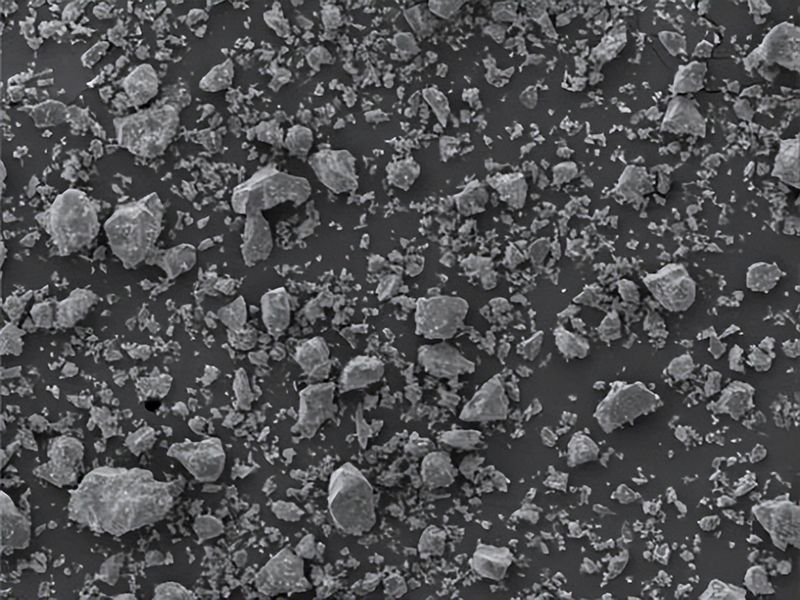
Cement granule microform
When cement is mixed with water, concrete particles and water are hydrogenic (hydration):
Phase i: surface wrapping and initial condensation
Cement granule surfaces cover the outer casings of calcium hydro-silicate small particles, at which point small particles are adhesively adhesived by the attraction between tiny crystals, resulting in a three-dimensional network structure called “condensed structure”, which is low in intensity and more plastic。
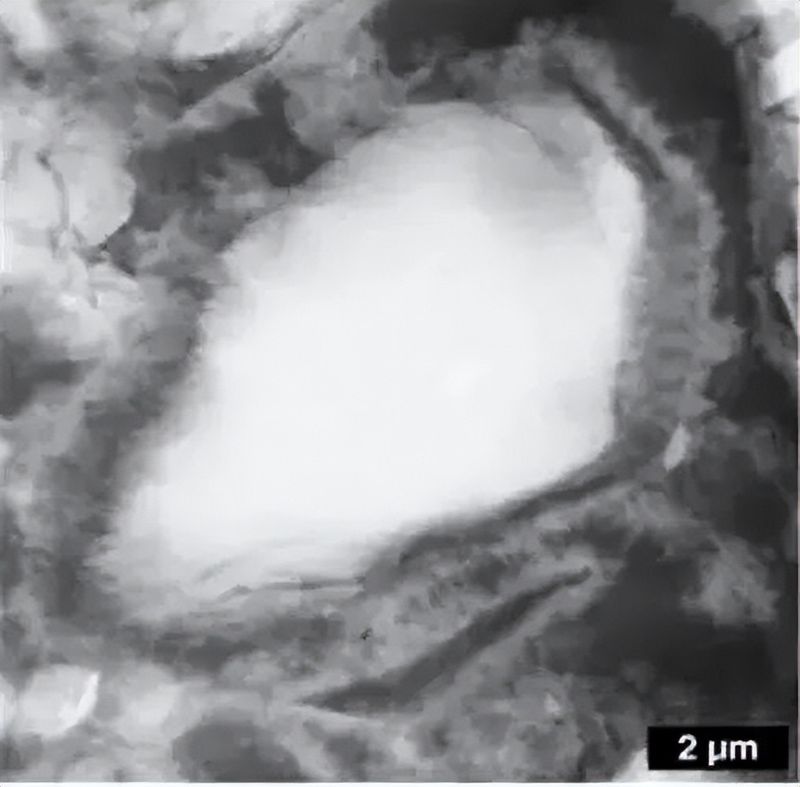
The microprocess of cement watering can see concrete particles with a shell outside

Generation of initial mesh structures
Phase 2: fibre growth and intensity
Over time, the concrete particles begin to dissolve and shrink, while they grow out of the field a long fibre-shaped particle, which connects together like countless tiny “arms”, and which eventually forms a solid whole as the fibres are interlocking and entanglementing。
This process is similar to the hook-like structure of the ear seed. – each small unit is closely linked to the other units through numerous tiny hooks, culminating in a solid whole network. As hydrochemical reactions continue, these fibre-shaped substances become more dense and the intensity of cement increases。

The interior structure of the cement is similar to the ears that are stuck together
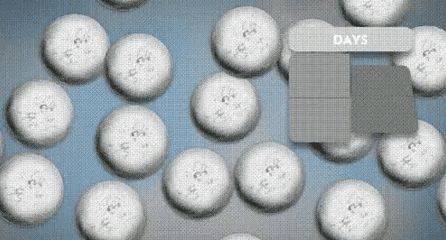
Process of cement formation intensity
Cement is generally not used separately in practical applications, and it usually binds other materials, such as cement and sand, stones and other materials, into water-mixed glue, into a solid whole, that is, concrete, as we often call it. Sclerosis of cement is an irreversible physico-chemical change in which water molecules react with minerals to create new physical structures that, once hardened, cannot be restored to the initial powder state。
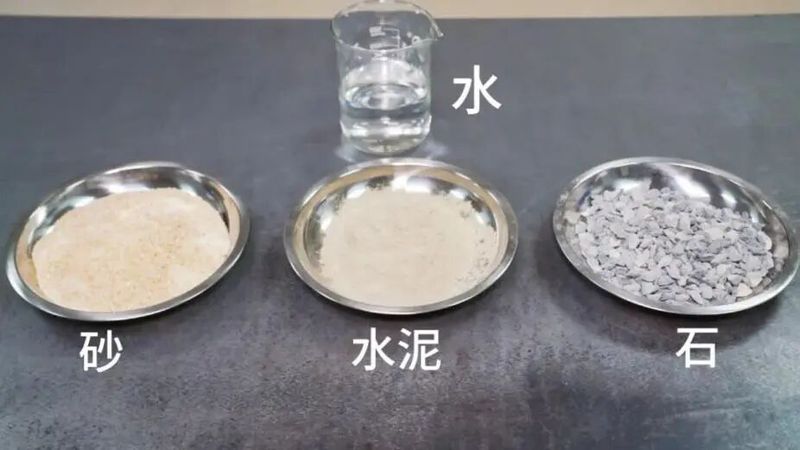
Main components of concrete
Now, with the right mix of raw materials, concrete will become very strong and able to withstand great pressure, and the skyscrapers will be used to pull up and sustain the progress of our civilization。
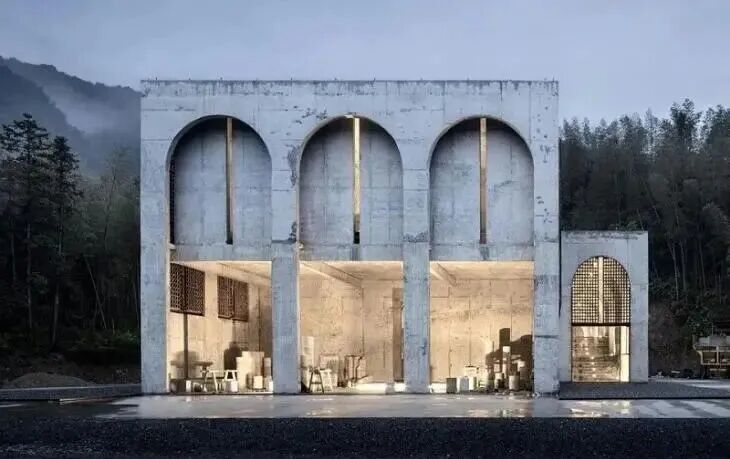
Cinnamon cui-tingu kiln (concrete construction)