At present, various applications of high-molecular materials are visible on important vehicle parts such as motor engines and new energy vehicle batteries. The use of high-molecular materials on vehicle parts has improved vehicle safety and contributed to the development of high-molecular materials for flame retardation. The current applications of flame-retardant high-molecular materials are dominated by pp, pu, abs and pc, as well as the use of composite materials (alloying), pa, pbt and pmma, depending on the specific needs of vehicle parts。
A few of the materials commonly used in the field of automobile parts are described below。
1. Flame retardation pp
Polypropylene (pp) is the most heavily molecular material used in plastics for vehicles, is highly chemically resistant, and is processed in a simple and inexpensive manner, and applies to car dashboards, battery casings, door pads, poles, seat pads, bumpers, etc., without the addition of flame retardants. The pp flame retardant type is poor, with a maximum oxygen index (loi) of 17. 8 per cent, and flammable after an accident. Currently, domestic and foreign automobile flame retardant pp research is focused on polypropylene retrofitting, while polypropylene complex materials with superior power and flame retardation effects are developed by adding low toxicity, non-halogen-free flame retardants to meet the flame retardation demand for car parts。
The flame retardants applicable to polypropylene are mainly additive flame retardants, with halogenic flame retardants (bromine-based flame retardants or bromine-accelerated flame retardants), inorganic infilled flame retardants, melamine polyphosphate, ammonium melamine, phosphoride, phosphate, and non-halogenation as commonly used environmental policies such as mpp are implemented and widespread, and the non-halogenation of high molecular material flame retardants has become significant。
2. Flammable abs
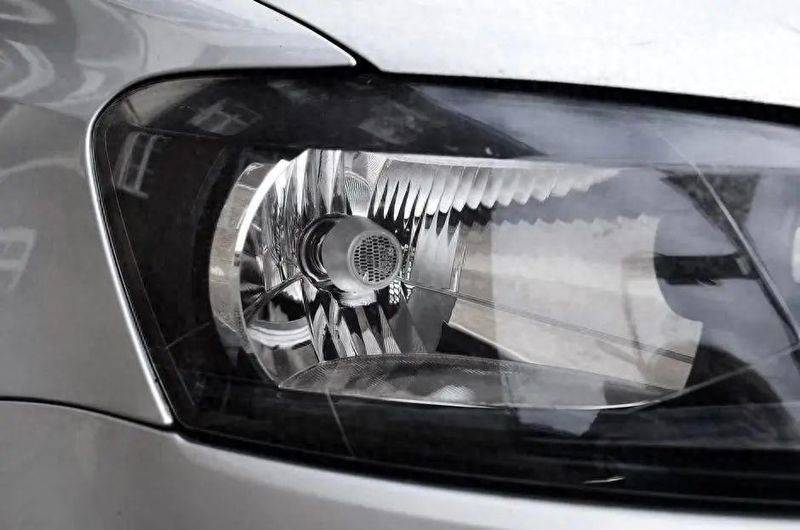
Abs is a typical material suitable for car coating due to the durability and preservation of strong plastic surfaces and is also used in the production of car parts. Abs resins contain only three elements, c, h and o, and are therefore less stable and easily burned during the high temperature phase; the ignition process also produces exotic gases and black smoke particles, which are used directly for vehicle parts and components in safety hazards. Thus, flame retardation and heat resistance must be modified prior to use。
Halogen flame retardants are more efficient in flame retardants, where brominated flame retardants are more effective than chlorine and have greater environmental pressure, but brominated flame retardants rely on two distinct advantages of flame retardation and cheap costs, with brominated flame retardants being the most prominent electronic product in comparison to some highly standard areas of flame retardation and flame retardant materials, with about 70 per cent of the products being bromine flame retardants, of which decabromodiphenylethane is mainly used for flame retardation in abs. However, the use of non-halogens and nitrogen phosphate flame retardants for abs is also of concern as environmentally sound non-halogens become more widespread。
Melting blends of abs and polycarbonate (pc) were provided with pc/abs composites, which combined the advantages of abs and pc, with high thermal deformation temperature and stability and improved processing performance. Pc/abs alloys are currently the most productive and fast-growing resin alloys and can be used for other components such as car dashboards, batteries, car body parts, etc. Pc resins are self-retarded flame retardants, ul94 is v2 but, when mixed with abs, flame retardants decrease and therefore require flame retardation before being used for auto parts. Currently, flame retardants commonly used in pc/abs flame retardants are halogens, phosphorus flame retardants, nano-flammants, etc。
3. Flame retardation pu
Polyurethane (pu) materials used in the automobile industry, consisting mainly of flexible, rigid, semi-rigid foam, pu elastics, thermoplastic pu elastics, glues, seals and coatings, are used mainly in parts and components such as car dashboards, steering boards, car roofs, cushions, back-to-backs, doors, arms and doors boards, as shown in figure 2。
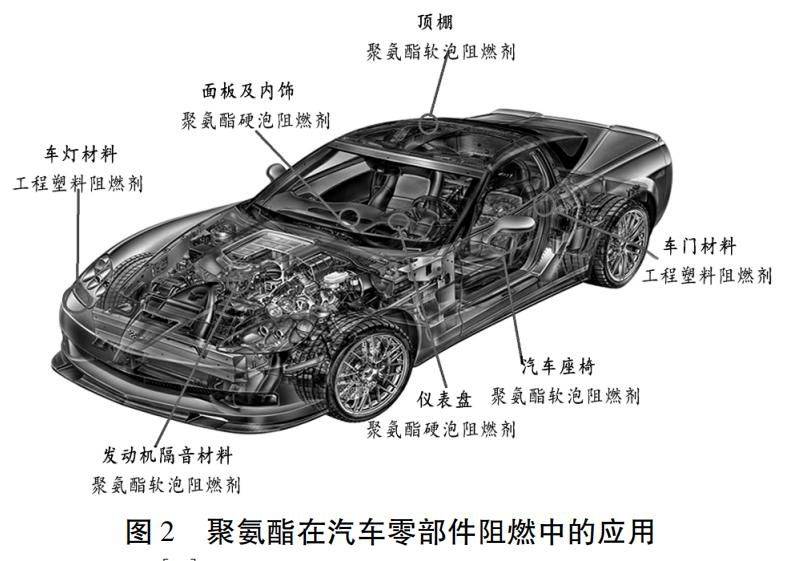
Due to the high levels of o, c and h in the fat chain, pus are highly flammable and not self-activated, producing toxic fumes during combustion, and must be flame-retarded in the interior of the car to meet the standards for vehicle flame-retarding。
Early flame retardants used by pu are mostly halogen-based flame retardants and their application is hampered by the implementation of non-halogenation policies, with more use currently being made of non-halogenated flame retardants, inorganic additives and phosphorus nitrogen flame retardants. Of these, organic flame retardants with phosphorus nitrogen have received widespread attention due to their excellent flame retardation and low additions。
3. Flammability retardation pc
Polycarbonate (pc) is one of the five engineering plastics that is applied to the production of automobile parts because of its high intensity, impact resistance, heat resistance, etc. For example, car dashboards, lighting systems, heat boards, frost-fixers, polycarbonate alloyed bumpers, etc. As consumption escalates, new energy vehicles and light quantitative development, domestic demand for the pc is also increasing, and the pc itself has some degree of flame retardation and advantage over generic high molecular materials such as pe, pp, lpi is 21% - 24% and ul94 is v2. However, in applications where flame retardation requirements for automobile parts are relatively high, flame retardation is not sufficient and also needs to be modified。
Bromine flame retardants can significantly increase the flame resistance of the pc, with decabde (dbdpo), tetrabromobisphenola, a (tbb-pa) etc. However, brominated flame retardants are easily decomposed at high temperatures, producing corrosive gases and causing damage to car parts. In addition, the addition of brominated flame retardants seriously affects the transparency of the pc and is not consistent with environmental policy. Currently, the most commonly used phosphorus flame retardants in industrialized pc products are the tpp (triphenyl phosphate), rdp (diphenyl phosphate), and bdp. The tpp is solid at constant temperatures, with poor heat stability, volatile at pc processing temperatures and only gas-retarded. Rdp and bdp are liquid at constant temperatures, have good heat stability and can act as both gas phase and solid phase flame retardants, while bdp and pc have good compatibility and can act as speed enhancement solidification, thus making the pc bdp system more user-friendly, with an addition of 10 per cent to bdp
In addition, silicon-containing compounds, as a new generation of environmentally friendly flame retardants, are gradually receiving attention because of their high efficiency, low toxicity and non-pollution properties, as well as their low impact on pc processing and physical properties such as polysiloxane and polysiloxane. Automobile parts are also close to a halogen-free environment when selecting flame retardants, improving the integrated capacity of the pc through the addition of multiple aids or the manufacture of composite flame retardants. In addition, by using composite materials with abs, pbt etc., the pc is best suited to improve its processing and flame retardation。
4. Other flame retardant high molecular material
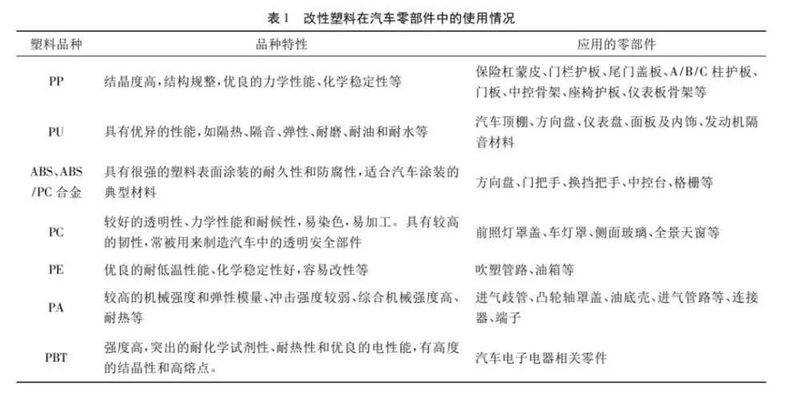
Pp, pu, abs and pcs are currently used primarily for flame retardant high-molecular materials in the production of auto parts, as well as for composite materials that are more than two or more high-molecular materials that are coming together. For example, pc/abs, pc/pbt, pc/fr composites。