Recent developments
At its 91st session, in october 2025, the commission of the eu member states (msc) agreed to recognize decabromodiphenylethane (dbdpe) as svhc, based on its high persistence and high bioaccumulation (vpvb) properties. Echa was subsequently scheduled to be formally included in the candidate list in november 2025。
Gl:
Https://www. Gmatg. Com/literature/show/id/1600. HTML
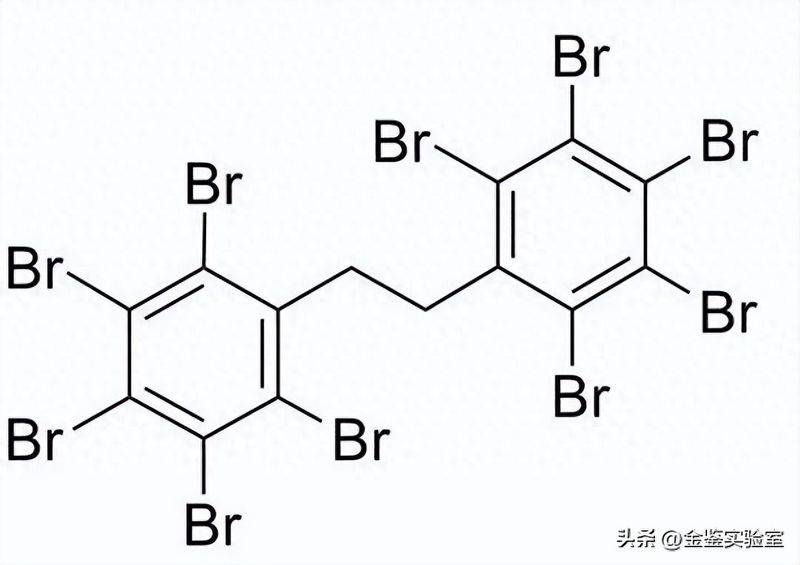
What's decabromodiphenylethane
Common brominated flame retardants in domestic plastics are decabromodiphenylethane, brominated epoxy resin, brominated polystyrene, decabromodiphenyl ether, tetrabromobisphenol a, octabde, brominated triazine, etc. Decabromodiphenylethane is widely used in high-polymer synthesis materials, plastics, fibres, resins, etc., as a wide spectrum additive flame retardant。
1. Characteristics of decabromodiphenylethane
As a new brominated flame retardant, the flame retardation properties of the brominated diphenylenes are broadly consistent with the dbdpo and are comparable to the industrial costs and desirable alternatives to dbdpo. It has high bromine content, good heat stability, good ultraviolet performance and low seepage, especially for flame retardation in the production of high-end materials such as computers, fax machines, telephone machines, photocopiers and household appliances。
2. Application of decabromodiphenylethane
3. Hazards of decabromodiphenylethane
However, dbdpe's environmental and health risks remain at the centre of regulatory attention, despite its strong performance in flame retardation. This time echa has identified it as a candidate for svhc based on its proven "high persistence, high bioaccumulation" (vpvb, corresponding to article 57e of the reach regulation)。
High persistence means that the dbdpe is difficult to decompose through natural degradation, bio-gravity, etc., and is persistent in environmental media such as soils, water bodies, sediments, etc.; high bioaccumulation means that the substance is susceptible to layering through the food chain and may eventually pose a potential threat to the flora and fauna of ecosystems and human health, for example, by disrupting the normal physiological function of organisms, or by adversely affecting reproductive, developmental, etc。
Based on these risk characteristics, echa decision-making meets the screening criteria for svhc substances under the eu reach regulation and is an important expression of the eu's continued promotion of environmental risk management of chemicals。

Corporate compliance obligations
Once dbdpe is formally included in the svhc candidate list, enterprises operating in the european union and the european economic area (eea) will have clear compliance responsibilities. Depending on the type of enterprise and the characteristics of the business, the obligations are divided into the following categories:
(i) items-type enterprises
(ii) substances/mixtures type enterprises
(iii) scip circular
All enterprises supplying items containing dbdpe (concentration > 0. 1%) must inform the scip database of the substance。
Businesses that fail to meet these obligations may be exposed to market bans, fines or legal recourse。