Scratch
Are you still stinging your hands for hundreds of electric pens? Are you still upset about the broken electric pen
Let's teach you today to make a simple, low-cost electric pen
• materials
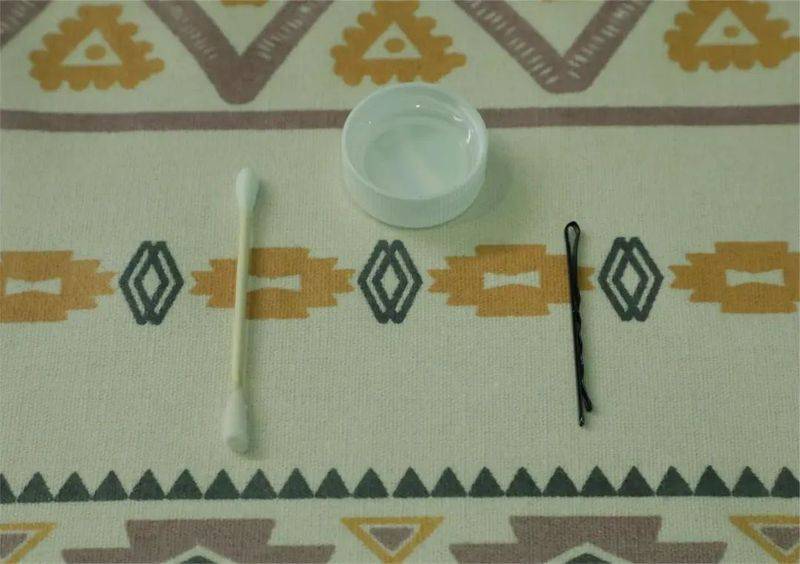
Cottonmarks, water, metal hairpins
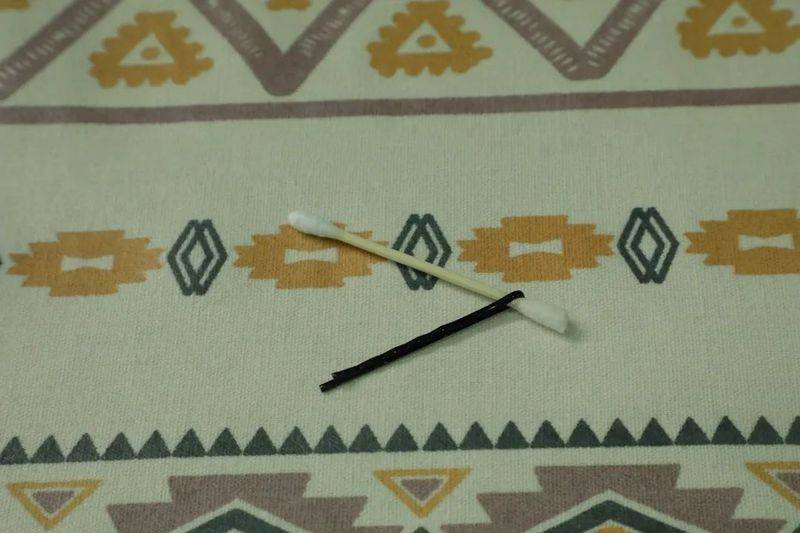
Organize chart

• the principles of the experiment
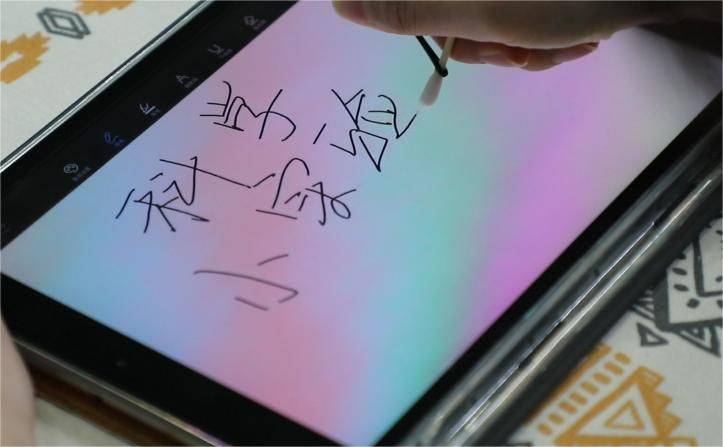
Capable screen doctrine:
The capacitor touch screen is a function of the electric influenza in the human body。
When the finger touches the screen, a small electro-capacitation coupling is formed, resulting in a weak charge accumulation of the corresponding position on the sensory layer, which leads to changes in the electric field on the sensory layer。
Controlling circuits allows the location of touchpoints by detecting such changes。
Homemade pens:
The principle of homemade capacitor pens in the experiment is that the human body is conductive, as are the squirted cotton stickers, metal hairpins, and the fingers are in contact with metal hairpins, thus creating a complete current flow line. Knowledge link
Electrotransmission: the ability of objects to transmit currents is called conductivity。
Transmutation: substances that are easy to conduct (humans, earth, etc.)
Insulation: substances that are not easy to conduct (glass, plastic, rubber, etc.)
Semiconductor: conductive power between conductor and insulation (e. G. Selenium, silicon, etc.)
Nature difference: the conductor has a large free-move charge; the insulation has almost no free-move charge。
Translativity: some insulations can become conductors under certain conditions, and there are no absolute boundaries between conductors and insulations. For example, distilled water does not conduct electricity, while normal hydro-conductive power (a large amount of impurities in ordinary water); glass is unguided at constant temperatures, and red-burned glass can conduct electricity; air is unguided at low voltage and air at high voltage can conduct electricity。