When you brush your cell phone, you touch your finger and the screen is flexible. A pencil and a glass bar can be replaced, and the screen “regardless”. How exactly does this little screen recognize our fingers and turn a blind eye to other objects
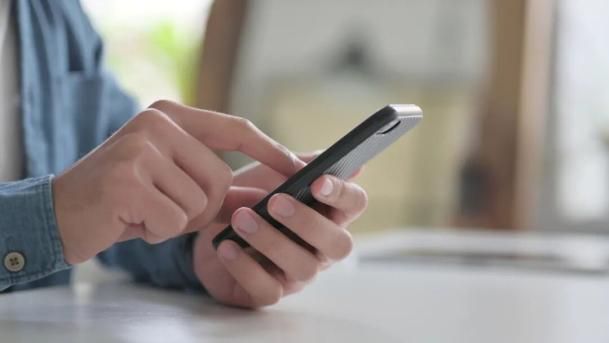
Source: petal networks
The answer is hidden on the phone screen, trying to figure out its identity logic

Cellular screens are not a simple glass. Where you can't see them, there are two layers of "synthetic and transparent conductor grids", one horizontal, one vertically。
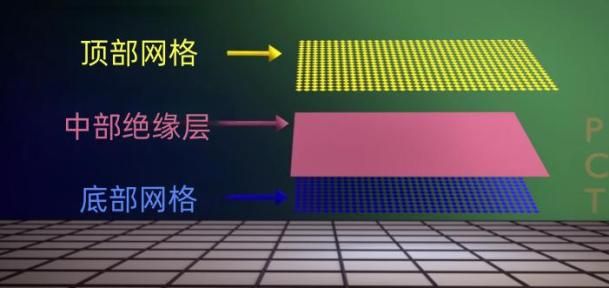
Touch screen internal structure. Source: youtube video clip
Faced directly above, the two-storey grids intersected like chessboards, without contact。
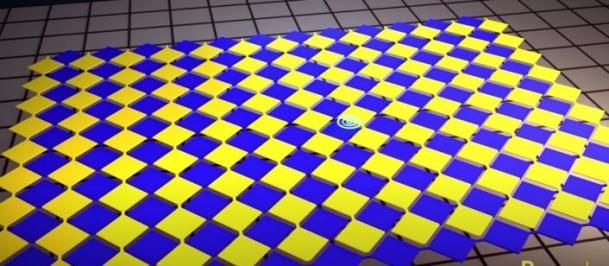
The way the grid is arranged. Source: youtube video clip
When the screen is electrified, numerous small and balanced electrical fields are created between the two layers. It's like throwing a stone at a calm lake, breaking the balance of the electric field, and the brain of a cell phone screen (the touch screen control chip) captures this change at once: "the coordinates are in place! It's the finger man
The advantage of this technology is that it can identify multiple touch points at the same time, either by magnifying the picture with two fingers, or by slashing the screen with three fingers. It can respond quickly and is the current mainstream program of electronic devices such as smartphones, touch screens, etc。

It's not hard to figure out that mobile screens are actually "seeing the conductor" -- they can only be identified if they influence the electric field。
And our fingers, the perfect partner。
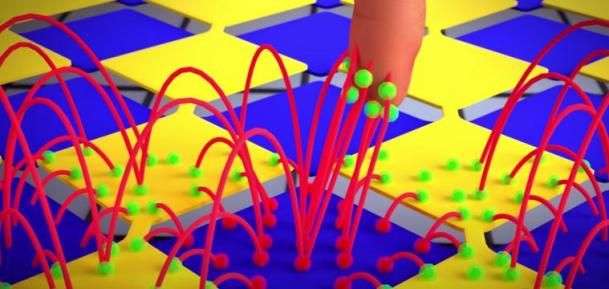
The electric field changes when the finger touches the screen. Source: youtube video clip
About 70 per cent of the human body is made up of water and is also electrolytic and a good conductor. When the finger touches the screen, the electric field of the touch point is disturbed, and this change is captured by the sensor inside the mobile phone, which triggers slips, clicks, etc。

Glass bars and pencils on the screen? Of course, because they "failed the screen"
Dry glass bars are typical insulations that can't feel the charge and can't interfere with the electric field of the screen, as is the case with "transparent people," which is naturally "not felt."。
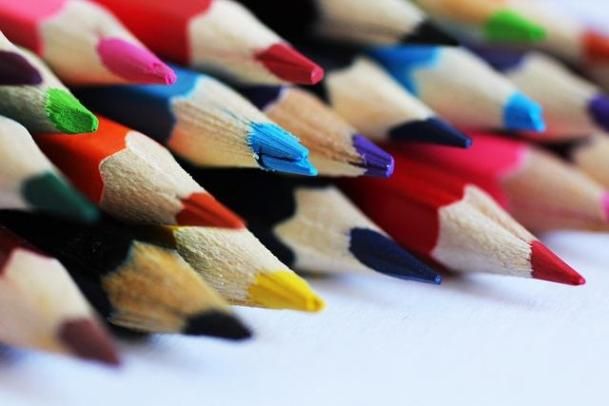
But the pencil core is graphite, and the graphite is a conductor. Why can't it be cut? The key is “the extent of change”。
The mobile phone processor identifies the touch, with a “trigger threshold” and if the field changes less than this value, it determines that “no touch”。
Source: pixabay
Common pencil cores are particularly thin, pen tippings and screen contact surfaces are positive and, combined with weaker conductivity in graphite, cause particularly small changes in the electric field, well below the “trigger threshold” of the screen, so the screen is still “no sense”。

When we understand all the logic, we can change it。
For example, "upgrading" pencils! Switching them to more exposed, more electrical, conductive rubber, which is a common “passive capacitor pen” on the market。
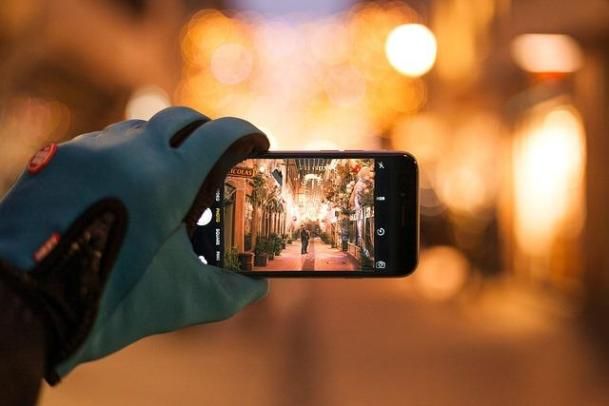
For example, some mobile phones have gloves mode, and mobile phones can be fluid with gloves! Because researchers use more sophisticated algorithms to lower the trigger threshold while increasing the signal gain — even with thin gloves, small force field changes caused by fingers can be magnified to an identifiable level。
Wear gloves and shoot. Source: pixabay
In the future, it will be possible to read your sign language on the mobile screen. For example:
"it's your left thumb, medium strength, and it's sliding up -- probably brushing the circle of friends."
"huh? This touch track is rusty, pressure distribution is abnormal -- not the owner himself!"
"do you see your hand shaking? Do you want to turn it on
I'm sorry
Even one day, you don't need to touch the screen, you can control your mobile phone by simply removing gestures; or the screen can recognize your emotional state and have a mind-reading technique。