What are the advantages of this new procedure for the treatment of cervical diseases? It's original, shanghai city hospital, shanghai city hospital
Zhao can't sleep in peace, he can't sleep on his pillow
Mr. Zhao, 65 years old, suffered frequent pain in his shoulder and had been able to endure it all along. Recently, however, the pain has increased, the sleep has been impossible at night, and the arm has become inert. The doctor said that he was a “cervial vertebrate” and had suppressed his nerves and required surgery. Zhao is worried about the risks and trauma of the operation. The doctor told him that there was a new type of microcreative therapy available, i. E. A cervical endoscopy surgery。
Today, let's talk about this new procedure。
Cervical diseases, which are common clinically, refer to a disease that stimulates or oppresses the surrounding organizational structure (neurological roots, spinal cords, etc.) and causes the corresponding clinical symptoms, as a result of the retreat of the cervical vertebrate and its secondary pathologies, which is a spinal reversion disorder. The spinal cord is an important component of the central nervous system, which is typically characterized by pressure, post-damaged body incompetence, pain, sensory abnormalities, unstable movement, body “belt feeling”。

In the case of spinal cord, there is no doubt that, once diagnosed, early surgery is recommended. While conservative treatment is the main first for cervical vertebrates with less severe symptoms, patients with severe neuroprincipal vertebrates or with poor conservative treatment are still in need of surgical treatment, as conservative treatment does not remove neuropression. Thus, if conservative treatment is ineffective or if there are cases of muscle infirmity, atrophy, severe neuropression, etc., surgical treatment is recommended when the patient's physical condition permits. The objective of surgery for cervical vertebrates is to remove oppressive spinal cords, neuroreversive tissues and, if necessary, re-establish the sequence of the cervical vertebrates and enhance the stability of the spine。
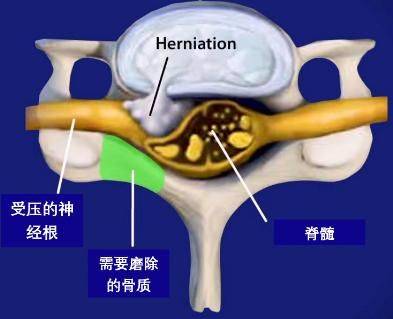
On the basis of the principle of which direction the oppression will be lifted, the cervical vertebrate surgery will have a front- and back-way difference, which way to choose, or the combination of patient situations. Open surgery includes both front- and back-circle surgery, which generally applies to spinal cord diseases, multiple sections of cervical vertebrates, etc., which require the treatment of pathologies through front muscle faults or by stripping the muscles off the back of the neck. Open surgery is conducted in direct view, with magnifiers and special headlights, which directly remove oppression, are separated from one another and are easy to learn to master。
Can the cervical vertebrae do micro-surgery
In recent years, as technologies have evolved and clinical applications have increased, spinal endoscopy techniques have gradually been applied to the treatment of cervical diseases, with wider application of endoscopy surgery, especially for patients with an intervertebrae-to-exterior accentuation of oppressive neurons. In short, a <1 cm cut at the back of the patient's neck, followed by a tectonic vertebrae through which a “hole” with a diameter of about 3 mm was drilled in the inner mirror near the neck vertebrae, removed from the hole the dominant marrow tissue that oppresses the nerve root, and retained it in the intervertebrae that does not。
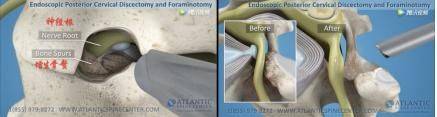
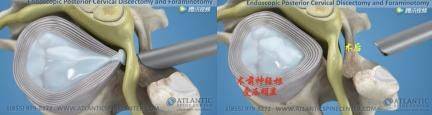
So, what's the advantage of vertebrae

1. Good vision in art
The technology uses cold light lighting and can be amplified to facilitate operation. Fibre endoscope surgery has a clear vision and applies to patients with vertebrates with prominent vertebrates, local fattening of the external yellow band and narrow vertebrates。

2. Small trauma of surgery
The inner mirrors remove only a small amount of bone in the vicinity of the joints, cause minor damage to the vertebrae structure, preserve the integrity and stability of the vertebrae structure, and do not require additional integration or internal fixed surgery。

3. Few post-operative complications
Compared with traditional surgery, micro-implant surgery does not disrupt normal anatomy structures and strips and holds the frontal tissue of the cervical vertebrae less. The effect of vertebrate activity is therefore minimal and does not result in post-operative rigidity, inability to bow down and insorption, and does not interfere with internal metal plants, which are increasingly favoured by spinal surgeons and patients。

4. Short recovery time
The technique retains the motion function of the surgical section, after which it is free to move out of bed. Compared to traditional surgery, the length of hospitalization can be significantly reduced。

5. Appearances
Cervical endoscopy operations leave only 5 mm surgical cuts in the neck of the patient, which are much more beautiful than those performed a few centimetres shorter than traditional operations。
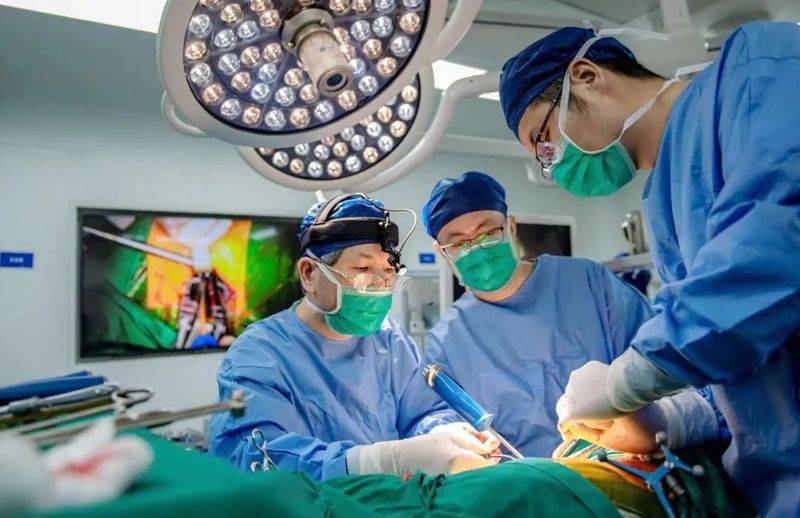
Chief ye xiaojin is in surgery
The spinal endoscopy treatment for cervical vertebrates is usually 3-4 days in hospital, the surgery is performed under the overall abdomen and the patient is more comfortable. The operation is carried out through neurophysiological supervision, thus ensuring its safety. Patients are able to get up under the protection of a neck care on the first day of the operation and are usually discharged the following day. In short, the endocular surgery is consistent with the concept of “micro-plus precision” treatment and is a new evangelical for persons with cervical vertebrates. However, it is not suitable for all patients, and the application of this procedure requires a detailed pre-operative assessment by a doctor。
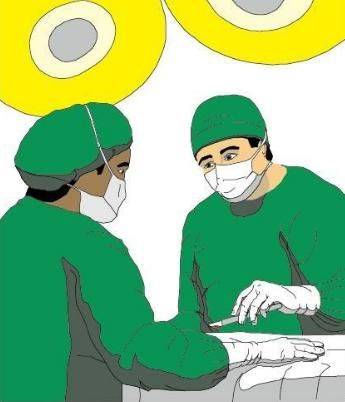
The procedure is only the beginning of the rehabilitation process, after which rehabilitation exercise is carried out in accordance with the guidance of the medical staff, with a view to maintaining good working habits and avoiding errors, such as prolonged sitting down and long-term vertebrae in one position, in order to effectively slow down the retreat of other adjacent discs and prevent the re-emergence of the surgical disc。
No conservative or surgical treatment is currently able to restore normality to the retreating intervertebrae. Modern medical treatments can only improve the symptoms of cervical vertebrates and slow down the regression process, but they do not restore the retreating intervertebrates to normal conditions at a young age. So the cervical vertebrates are heavily preventable. The cervical vertebrates should be practiced daily, with no gains from three days of fishing and two days of sunning; both must be avoided and effectively practiced! Long periods of low or fixed positions are strictly avoided, without which symptoms will not improve。

Professional characteristics
The microciplinism of the spinal column is a feature of the technical expertise in spinal surgery: diagnosis and treatment of spinal diseases such as cervical vertebrate disease, cervical dystal constriction, ecstasy, ecstasy, vertebrate vertebrate accentuation, vertebrate slippage, as well as acute spinal injuries, tumours, malformations and tuberculosis have been carried out. On this basis, the full development of spinal surgery microstarts has now reached the national lead level for treating spinal disease. Specialized in the application of spinal microcreative techniques such as spinal endoscopy technology, tunnel microstarts and digital navigation to treat spinal disease. The treatment of cervical vertebrae, cervical dystal constriction, the treatment of vertebrae vertebrae (peld) in the side and back vertebrae, the treatment of vertebrae accentuation, the treatment of vertebrae, etc., and the treatment of mistlif, midlif, oolif, etc., for vertebrae vertebrae vertebrae, the treatment of vertebrae constriction, etc. Digital navigation techniques such as robotics and o-arms combined with spinal microcreatives made spinal surgery even more original, precise and therapeutic。
Introduction by experts
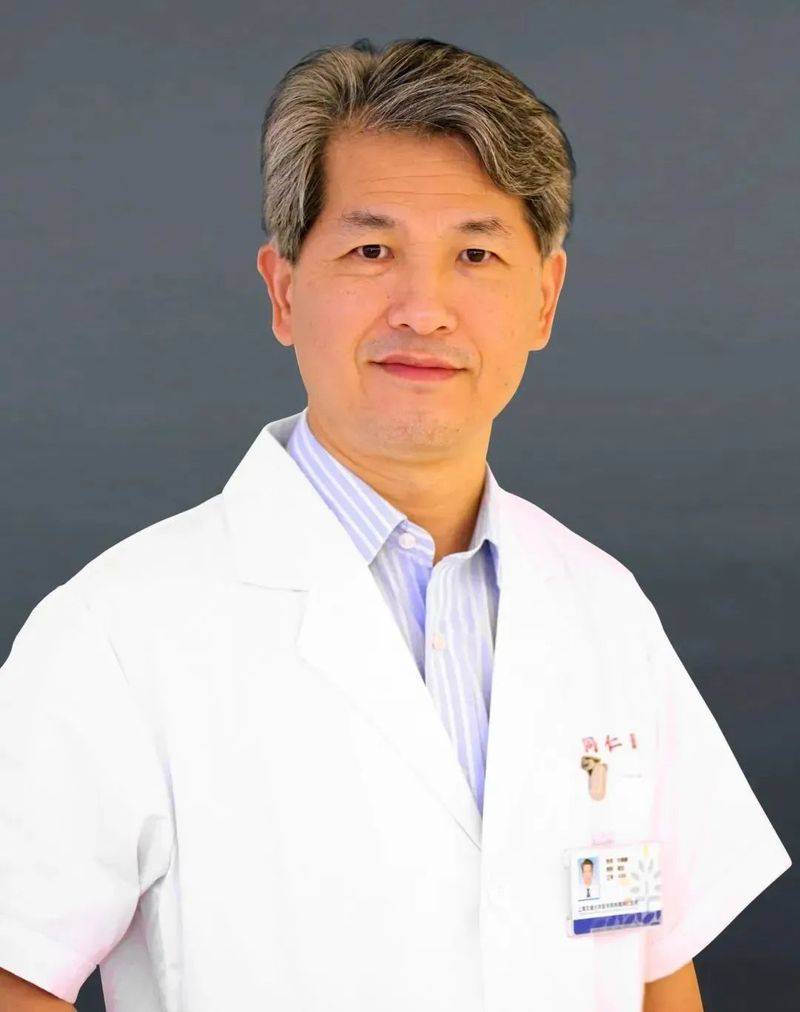
Ye xiaojin, director of osteroids, professor, phd and postdoctoral mentor, doctor of medicine. Famous national and international spinal surgeon, chinese top spinal microbreed expert. He is currently the administrative director of the oscientific section at the medical school of shanghai university of transport and vice-president of the ionbashi international medical institute。
Over 30 years of spinal surgery. There is considerable clinical experience in the diagnosis and treatment of various types of very difficult cervical thorax vertebrate diseases, spinal malformations, accentuation of the chest vertebrate, vertebrate narrowness, vertebrate fissure and vertebrate slippage, inflammation, dystrophy, dysentery, vertebrate instabilities and vertebrate fractures. In addition to the legacy of the traditional cervical vertebrae, after 2000 there has been a unique treatment for spinal vertebrae injuries. Since 2010 there has been a gradual focus on micro-creatives such as inter-vertebrae lenses, extended passages, vertebrae lenses, snails fixed through the vertebrae, vertebrae-forming surgery, micro-sharp-side integration surgery, small-cut decompression and navigational surgery. Since 2013, a pioneering application of endoscopy and digital technology to the treatment of cervical vertebrates has been widely recognized by the industry。
"examination time."
Specialist clinic: wednesday morning
Special needs clinic: wednesday afternoon
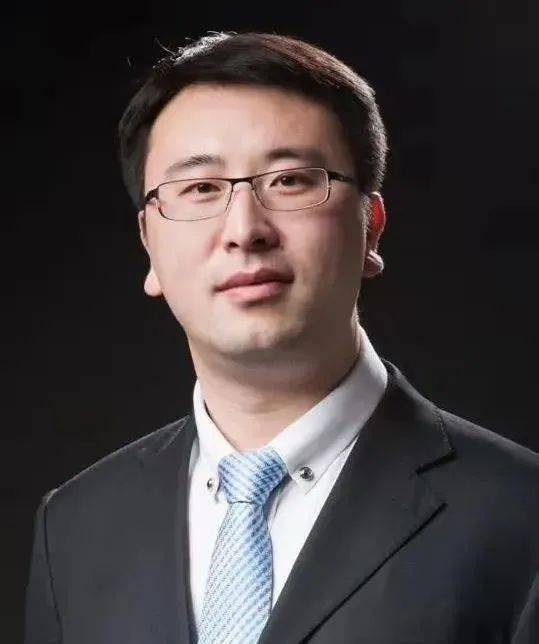
Yu ming, deputy director of osteology, associate professor, doctor of medicine, master's postgraduate mentor. Member of the group of experts on scientific and technological review, shanghai city. In-country pioneered the application of microcreative spinal techniques to treat various spinal injuries. For example, the application of spinal endoscopy techniques to treat cervical vertebrates, intervertebrate accentuation, lumbar dyslexia; and the treatment of lumbar vertebrate vertebrate vertebrate vertebrae, vertebrate vertebrae vertebrae dysentery, etc. The main knife now completes more than 2,000 traditional open and microstart surgeries in spinal surgery。
Medical distinction: specialized in open and micro-initiative surgery for cervical vertebrates, intervertebrate accentuation, vertebrate constrictions, vertebrate slippages, spinal fractures and malformations, and complex spinal diseases。
"examination time."
Specialist clinic: tuesday morning
Special needs clinic: friday morning