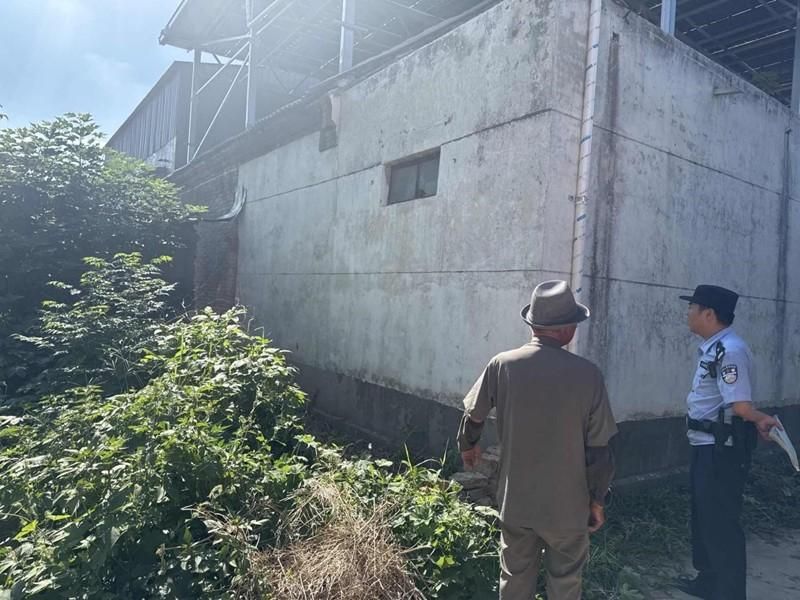
With the rapid growth of the domestic economy, demand for cable cables in the electricity, construction and communications sectors is increasing, and there is an unprecedented exponential increase in production of polyolefin cables, which is expected to grow by more than 1. 9 trillion yuan by 2024, with a combined annual growth rate of about 4 per cent, market demand for non-halogenated flame-retarded cable materials is about 200 kt, and demand for this cable is expected to increase at around 10 per cent over the next 3-5 years, and demand for non-halogenated cable material is expected to reach around 350 kt by 2025. The high flammability of polyolefin materials commonly used in cables, their decomposition and combustion at high temperatures, and the large amount of melting droplets generated during combustion, inducing other combustibles, widen the range of fires, causing serious human casualties and significant economic losses. Therefore, polyolefin cable flame retardation research has been a hot spot of concern。
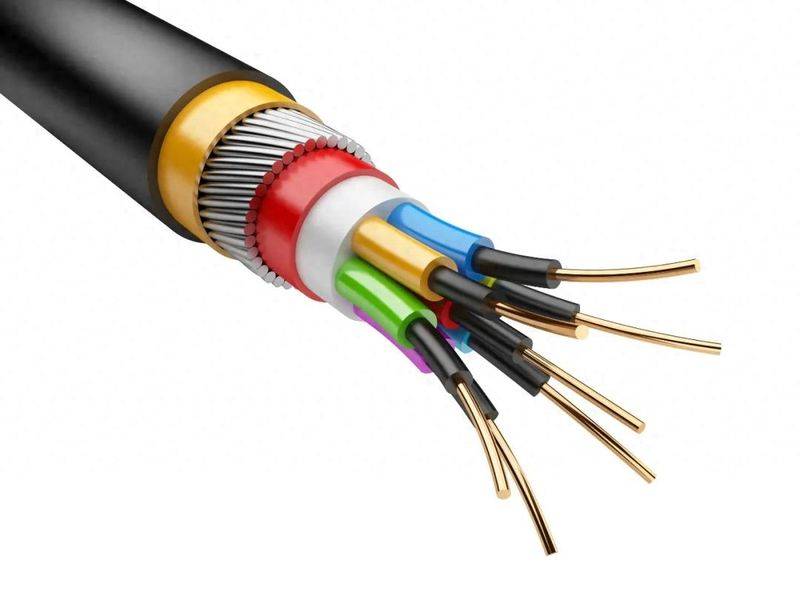
Types of polyolefin cable flame retardants
Polyolefin combustion characteristics
The components of polyolefins such as pe and pp contain very high levels of c and h, which make them highly flammable, with a limit oxygen index of only 17%, and is prone to melting droplets and fluoride fires during combustion. There are three stages in the combustion of polyolefins, which soften, decomposition and combustion, in which the decomposition process produces large quantities of flammable substances, while the heat released during the combustion process contributes to the decomposition of polyolefins. Thus, flame retardation mechanisms for polyolefin cable material are mainly shown in the use of flame retardants to mitigate thermal decomposition of materials and limit the flow of heat, thus avoiding fires. Based on the composition of flame retardants, non-halogenated flame retardants can be classified as phosphorous, nitrogen, silicon, boron, inorganic metal hydroxide and expansion。
Halogen-free flame retardants
Currently, nitrogen, phosphorus, boron and silicon-based flame retardants are commonly used in the halogen-free flame retardant system of electrical cables。
Nitrogen flame retardants are mainly melamine and its salts, with high decomposition temperatures, and are mainly produced during combustion: non-toxic and non-corrosive products such as nh3, n2, no and water vapour. Nitrogen flame retardants, through volatilization and thermal decomposition, absorb large amounts of heat and release non-flammable gases, can significantly reduce the surface temperature of polymers and dilute the concentration of flammable gases and oxygen in the environment, ultimately achieving a good flame retardation effect. Nitrogen flame retardants are applied in conjunction with other flame retardants with better co-benefits, such as nitrogen phosphorus flame retardants, which can facilitate the carbonation of the phosphorus system, form swelling carbon layers and act as good insulation. Some nitrogen-based flame retardants, such as melamine meluriate, are used as lubricant and compatible agents to improve co-combinance of other flame retardants in polyolefins。
Phosphorus flame retardants are mainly used to dehydrate polymer surfaces during the thermal decomposition process and to isolate flame retardants. Of these, ammonium polyphosphate (app) is commonly used in electrical cable flame retardation systems. The disadvantages of phosphorus-containing flame retardants are the limited application of phosphorus elements due to their neurotoxicity, lack of stability, poor water resistance, poor compatibility with polymers and relatively high impact on mechanics。
Flammability mechanisms for boron compounds are the formation of glass-state compartments during combustion that act as barriers to oxygen and volatile flammable gases, prevent further oxidation of carbon layers and promote carbonization. In comparison to phosphorus flame retardants, thermal stability of the boron flame retardants is good, low toxicity and low fumes, so they are more suitable for replication. Zinc borate is often used as a flame retardant co-effectant, but its separate effects are not effective and are mainly used as a flame retardant co-effector。
Silicon-based flame retardants are new types of environmentally friendly flame retardants with characteristics such as fire-retarding efficiency, low toxicity, fumigation droplets and smoke-free. Inorganic silicon-based flame retardants, including silicate minerals such as smoother powder, layered silicates and polycracket silicates, are commonly used in the flame retardation of electrical cables, not only to promote carbonization during combustion but also to increase the absorption of flue gas。
Inorganic metal hydroxide flame retardant
The most common inorganic metal hydroxides are aluminium hydroxide (ath), magnesium hydroxide (mdh), which have low-smoking, non-toxic, green and environmentally friendly characteristics and are widely noted as new non-public flame retardants. At temperatures above 200°c, ath and mdh begin to decompose and absorb large amounts of heat to reduce local temperature in the burning area, resulting in water vapours that dilute the concentration of flammable gases and oxygen, while producing non-flammable oxidants that form separate membranes and act as flame retardants。
Inorganic metallic hydroxides reduce combustion heat by their own decomposition, while diluting oxygen, making their flame retardation less efficient, often exceeding 50 per cent. At the same time, the greater polarity of the inorganic metal hydroxide and the poor compatibility with polyolefin cable base material make it difficult to disperse during processing and to form mechanical stress points, leading to a significant reduction in the mechanical performance of the cable material. Currently, the focus of research on ath and mdh as flame retardants continues to focus on improving compatibility, with the following commonly used methods: particle finening, surface modification and increased compatibility。
2. 4 inflated flame retardants form mainly phosphorus and nitrogen, combining the advantages of the two flame retardants, with characteristics such as non-toxicity and low smoke. The phosphorus material is heated into a barrier membrane, and the nitrogen substance is heated into moisture and gas, where the gas decomposition of the nitrogen system favours the formation of foams in the phosphorus carbon layer. Foam-like carbon layers can act as oxygen insulation and insulation while preventing melting drops. In contrast to other non-halogen-free flame-retarding systems, ifrs can achieve excellent flame-retarding at 20-30 per cent of pe and pp content。
The theoretical phosphorus content of the app is over 31 per cent, the most common source of acid in ifr, with a combination of gas. However, the application of aps to pes and pps has many performance deficiencies, such as low heat stability, irritating odor and corrosive molds during processing; poor compatibility with pes and pps, which do not meet the requirements of mechanics; poor water resistance and high humidity. Therefore, a superficial modification of the app is one of the effective solutions to these problems。
App surface modification can be divided into physical cover and surface chemical modification. The key to physical overlay is better compatibility between the packaged material and the app to ensure that the package is robust; better heat stability, interface compatibility and water resistance are also required. The combination of chemical modifications is stronger relative to physical overlay, but chemical modifications can lead to higher costs of ap use and higher application thresholds。
Cable flame retardation technology
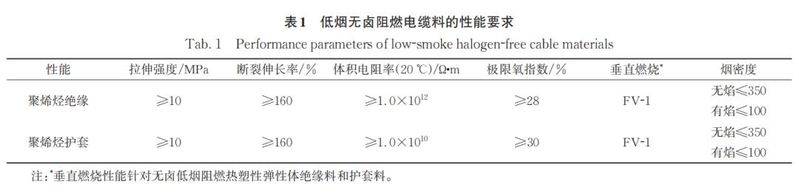
In accordance with the provisions of gb/t32129 - 2015 " non-halogenated low-smoke flame-retarding cables " , modified pe and pp electrical cables shall meet the performance of table 1。
Modified metal hydroxide flame retardant
The metallic hydroxide is a widely used green flame retardant, which researchers have tried to modify to enhance compatibility and to increase flame retardation efficiency in response to such disadvantages as the poor mechanics and compatibility of modified flame retardants cables. In the case of mdh, compatibility can be improved by the combination of metal oxides and polyolefins with both aqueous and acoustic combinations。