Summary: this paper, which was compiled by 365 environmental companies, deals mainly with waste-water pollution control techniques in coal-fired power plants. Waste water in coal-fired power plants includes, inter alia, recycled sewage, ash-water, industrial cooling water drainage, impurity, coal-containing wastewater from coal farms and coal-transmitting systems, oil-storage flushing, chemical water treatment processes, boiler chemical cleaning wastewater, household sewage, desulphurized wastewater, denitted wastewater, etc. Plant wastewater is mainly inorganic, with fewer organic pollutants, and more intermittent drainage. Wastewater pollution control technologies in coal-fired power plants are usually treated in two ways: one ...
Key words: sludge treatment process, domestic sewage treatment, wastewater treatment.
Waste water from coal-fired power plants includes, inter alia, circulatory sewage, ash waste water, industrial cooling water drainage, aircrew drainage, coal-containing wastewater from coal farms and coal-transmitting systems, oil reservoir wash water, waste water from the chemical water treatment process, chemical cleaning of boilers, household sewage, desulphur waste water, denitration wastewater, etc. Plant wastewater is mainly inorganic, with fewer organic pollutants, and more intermittent drainage。
Technologies for waste-water pollution control at coal-fired power plants
Waste water is usually treated in two ways: centralized and disaggregated. Centralized treatment refers to centralized collection of wastewater from various sources and subsequent treatment. This approach is characterized by the same treatment processes and treated water quality. Classification refers to the collection and treatment of wastewater of similar water quality types. Different types of wastewater are treated using different processes and treated water quality can be controlled according to different standards. For new coal-fired power plants, because of the large variety of wastewater and the wide variation in water quality, most wastewater needs to be treated for reuse, most plants use treatment programmes that combine treatment by sorting and centralized treatment。
Wastewater pollution control technologies
For different types of wastewater, different technologies are used for wastewater control in coal-fired power plants。
(1) regular drainage
Regular discharges include, inter alia, cooling of water by auxiliary machines, drainage of thermal system, reverse washing of water by filters, washing of water by plant, waste water containing coal, waste water containing slag, waste water containing oil, sewage for life, mud water from the original water pre-treatment station, chemical reuse of waste water (hydroalkaline wastewater, precision drainage), reverse osmosis of heavy water by the original water and chemical workshops, sewage by circulation, and sewage by desulphurization。
Depending on the water quality characteristics, treatment processes and hierarchy requirements, four categories can be classified:
1) drainage type i: includes cooling water by auxiliary machines, drainage by thermal system, reverse washing by filter. Such drainage suspensions and salts are low and can be reused after simple treatment such as non-treatment or cooling。
The one-air chiller auxiliary cooling water should have an independent circulatory cooling system, with sewage suitable for subsequent acceptable production chains such as desulphurization。
Accelerator cooling water for a cycle cooling unit should be used directly for the cycle cooling water recharge。
3 thermal system discharges can be used directly as recharge or cooling for thermal network water and, after cooling, as refuelling for chemical plants。
4 filters can be recovered for re-washing to the original treatment system or the original water pre-treatment system。
2) type ii drainage: includes plant wash water, coal-containing wastewater, sludge wastewater, oil-containing wastewater, household sewage, raw water pre-treatment station mud. Such drainage suspensions or cods are relatively high and need to be reused through conventional treatments such as condensed deposition, aerosols and biological methods。
Coal-containing, slag-containing wastewater shall be returned to the original system by condensing + filtration and may be suitable for recharge from industrial wastewater treatment stations for water purification or recycling。
Oil-containing wastewater is treated separately from oil and water and can be used to spray coal fields, slag silos to refill water, or reuse in industrial wastewater centralized treatment systems。
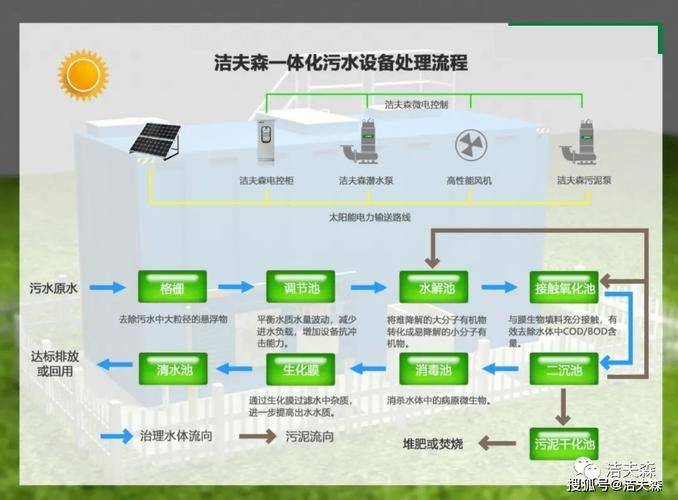
Living sewage is treated by bio-exposure oxidation and can be used for greening, returning to industrial water treatment systems, etc., and also for greening, returning to industrial water treatment systems or high-saline wastewater treatment systems, etc. Power plants with medium water depth treatment systems may also be included in medium water depth treatment systems for reuse. More relevant technical documentation is available at http://www. Dowater. Com。
The rinsing of water at plant 4 can be processed by condensation (+ gas float) and returned to the original water pre-treatment system。
5 the original pre-treatment station, where the sludge is releasable after dehydration, returns to the system and the mudcakes are transported。
3) drainage category iii: includes chemical regenerative wastewater (acid-alkali wastewater, fine-treatment drainage), reverse osmosis of thick water in raw water and chemical workshops, and circulation of sewage. The high salinity of such discharges requires re-use at depths such as reverse osmosis. Circulation chillers account for 70-80 per cent of the plant's total drainage of type iii water and are the focus of plant water pollution management。
1 chemical regenerative wastewater (alphate-alkali wastewater, fine-treatment drainage) may be used in devulcanized water as adjusted by ph; or further softening of salinized and produced water for water recharge in chemical workshops and water enrichment for devulcanized water。
2 the reverse osmosis of water from the original water and chemical workshops can be used for water from the desulphurization process, recycle cooling water for recharge, or further softening of the salinized water produced for use in the chemical workshop for recharge, for use in the desulphurization process water, or for highly saline wastewater enrichment according to water quality indicators。
3 revolving drainage: when emissions are allowed, priority should be given to devulcanization, ash-slag and other systems, with remaining effluents. When emissions are not allowed, priority should be given to devulcanization, ash removal and other systems; water produced through softening and salinization can be used for rehydration in chemical workshops, industrial and circulatory systems, and water enriched for desulphurization systems or for highly salted wastewater enrichment according to water quality indicators。
4) drainage type iv: desulphurized wastewater. Desulphurized wastewater has high salt and high suspension characteristics, should be used or released in combination after neutralization and condensation, cannot be used in combination and require special treatment when zero emissions are required. Such water is a difficult place for water pollution management in power plants。
Desulphurized wastewater is treated and reused, with the remaining emissions meeting the target; special treatment such as evaporated drying or evaporated crystals may be used when there are zero emission requirements。
Evaporation drying: desulphurized waste water is pumped through additional wastewater to the distribution containment device, which, together with compressed air, is sprayed through acoustic mist nozzles into the smoke pipe at the esp entrance after a reasonable distribution of the distribution containment device. Waste water after fog is evaporated rapidly through the flue gas in the esp entrance. At the same time, dissolved salt in end-of-pipe wastewater is crystallized during the evaporation of wastewater and is captured in esps with ash in the flue gas。
In the case of the 300 mw unit, there are four smoke lanes at the esp entrance of the single furnace, and the system has two fm sound-dispersible devices and one acoustic spray device at each entrance. (a) the addition of fm-high-frequency high-sonic dispersion devices, using acoustic dissipation mechanisms, to prevent the deposition of particles wetted by flue spray, which are rapidly reunified and reunified, so that they are evenly integrated with the flue gas into the esp for the purposes of water and solid separation; use of ultra-high frequency acoustic mist mist mist mist mist drip particles to minimize the distance required for complete evaporation of wastewater。
Frozen acid spots are estimated based on exposures of substrate heat, sulphur content, ash and pure water vapour from coal combustion. The flue acid exposure temperature after water wetting is calculated to keep the flue gas temperature after water wetting above the acid spot to ensure that there is no acid corrosion to the dust removal and downstream equipment。
Automatically adjust the amount of wastewater spray to the changes in the boiler load and the temperature of smoke at the esp entrance; following the wastewater spray device, smoke-temperature detection points are set up to access the dcs system to achieve the automatic decommissioning of the wastewater spray device when the smoke temperature reaches the acid spot。
In practical applications, the system design is based on parameters such as the smoke composition of the esp entrance, the temperature of the smoke and the size of the flue stream, etc。
Low gas consumption, low gas use, low water quality requirements for acoustic spray devices: solid particle size
The evaporation and zero emissions of devulcanized waste water have been applied to coal-fired power plants such as the 600 mw unit of the northern union power company, the 600 mw unit of the chinese power and land left power plant, and the 1000 mw unit of the china electric power company。
Evaporation crystallization: evaporation of enriched devulcanized wastewater using steam or flue gas, dissolved salt crystallization, resulting in solid waste industrial salt. The earliest applications were for the shenzhen river power plant, and there are now applications such as the china-china zhejiang changheng power plant and the north hangawa power plant in the national electric lake, which have zero discharge of wastewater。
(2) non-recurrent drainage
Non-recurrent discharges include, inter alia, ammonia station spraying, boiler shut-off protection and the use of chemical cleaning of waste water (containing machine washing agents), air preheaters, and equipment such as the saving of coal and gas side of boilers. The above-mentioned drainage should be collected centrally for reuse through industrial wastewater treatment systems with treatment options similar to those for type ii drainage。
365. Slurry treatment plants: we maintain good communication with each client and each step seeks to be better and more nuanced to ensure the interests of the client: to integrate the whole project, develop sound programmes and sound after-sale services, and to continuously complete every e-product destruction project commissioned by the client in terms of product classification, treatment methods, resource reuse, technological intelligence, sustainability, etc. Main operations: sewage treatment, sludge treatment, wastewater disposal, sewage purification, sludge drying, sludge dehydration, sludge drying, food destruction, beverage destruction, dairy destruction, electronics destruction, clothing destruction, cosmetics destruction, etc。