Polypropylamine manufacturer
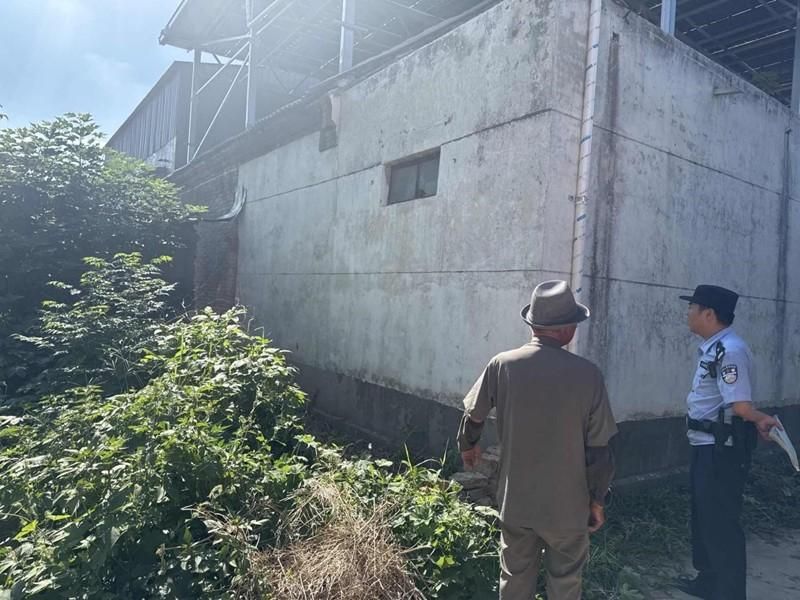
The wastewater from the sauce plant is typically first entered into the regulating pool and is adjusted to its alkalinity using alkaline polymerated aluminium chloride or other alkaline aids as a condensant, keeping ph within normal limits. Anaerobic treatment is then added to pac polymerized aluminium chloride for condensation and accelerated deposition of suspended particles in wastewater. Pam polypropyleneamide is added after secondary oxygen treatment to separate impurities, suspensions and clean water from wastewater. A good clean-up effect. The process is condensed sediment treatment. It was suggested that a detailed small test should be conducted to determine the appropriate condensant model and then an on-board experiment to control the amount of condensant used and at which point the effect would be depurated. This not only saves the amount of pharmaceutical use and the cost of water treatment, but also provides good purification. Coal-washing wastewater is a mixture of water and fine coal powder, the main features of which are high turbidity, small size of solid particles, multiple negative charge on the surface of solid particles, and retortion between the same charge, which keep these particles scattered in water, influenced by gravity and brown movement; the nature of coal-washing wastewater is complicated by the interaction between the solid particles interfaces in coal-water (e. G. Adsorption, solution, amalgamation, etc.), not only by suspension but also by adhesive properties。
For these reasons, it is difficult to clarify coal-washing wastewater naturally, and it remains a black liquid with large amounts of suspended material, such as coal sludge, following its deposition. It contains various harmful substances, such as additives and heavy metals, in the processing of selected coals. Unstandard discharges of large amounts of coal-washed wastewater have resulted in water body pollution, river siltation and loss of coal sludge, causing enormous economic losses to the country and further straining the water resources of the coal industry, which severely hampers the development of coal production. It is therefore important to develop new technologies and new processes for efficient treatment of coal-washed wastewater. Waste-water treatment generally uses, for example, condensation or aerosols, and treated water discharges can be used back in production to reduce production costs。
Polypropylamine manufacturer
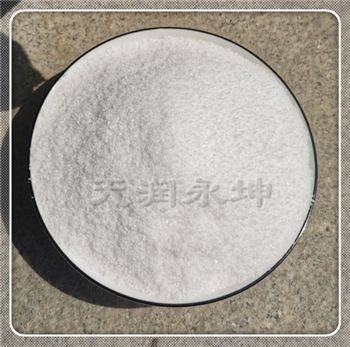
Non-ion polypropyleneamide is characterized by the ability to accelerate the deposition of particles in suspended fluids, with a very clear clarification of the acceleration solution and the promotion of filtering. But it's also blocked. Why? Controlled overfiltration of non-ionate polypropylene amide in water at around 23 mg/l for about a month, npam monitoring results showed an average overfiltration of 22. 5 mg/l during water production and water pressure operations in the sub-filtration process. The results of npam monitoring during the combined operation show high npam concentrations and high retention rates for non-ionate polypropyleneamide in ultrafiltration bands, about 53. 5 per cent, indicating that a large number of non-ionary polypropylenemamines are sequestered by ultrafilms, with more severe congestion, rapidly rising water pressure and high fluctuations in yield rates, about 58. 1 per cent ~80. 5 per cent. After chemical cleaning. The pressure on water entry has been significantly reduced, but membrane congestion has quickly re-emerged, resulting in increased pressure on water entry。
Relevant information:
Www. Tianrunyongkun. Com
Www. Trykpam. Com