Compared to traditional lights, there are many advantages to computer lamps, which are controlled, compatible and accurate and fast by means of internationally common digital signal dmx192. Computer light devices provide pre-programmed programming, precise movement, automatic control and user control of the light system. Computer lights can be controlled on a real-time basis, and operators can exercise flexible controls depending on the situation on the ground and in a flexible manner. The high purity and diversity of the colours of the computer lamps, which can generally be as varied as dozens, can be extremely effective in the presentation of the stage, while the colours are provided by the built-in plating film, avoiding the disadvantages of traditional lamps being deformed by changing colours and the small variety of colours。

The light levels of the computer lamps are all linearly adjusted and the level of change of power and power is good. Light bulbs have a long life of up to 2,000 hours, avoiding trouble with frequent changes. It is not possible for a traditional light to have a rich computer-based picture, which, through triple prism control, can bring rich patterns and variable beam swings to the stage. Computer flash speeds can be adjusted 1-10 times/s, allowing for visual and effective control based on the situation on the ground. Computer lamps are generally capable of moving the x-axis 450y-axis 270, capable of projecting beams to any corner of the moving sound zone and moving at a fast pace. Computer lamps have automatic photo-detection to zero, which provides good assurance of the synchronization of the system and gives a good picture of the integrity and unity of the light system。
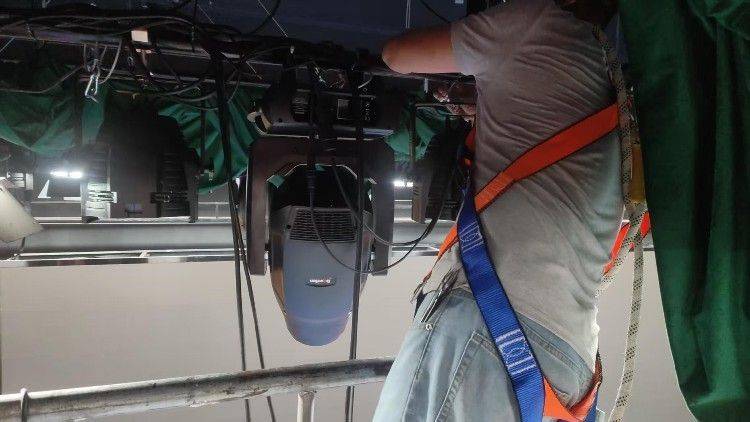
Maintenance tools and techniques, including testing tools such as universal meters, oscillators and spectrum analysers, as well as maintenance tools such as iron branding, screwdrivers and pliers. Technology: maintenance staff need to have knowledge of electronic circuits, audio and video technology, familiarity with the working principles and structure of light acoustic equipment, welding techniques, circuit detection techniques, etc. Regular cleaning, inspection and maintenance of stage light acoustic equipment can effectively reduce the occurrence of malfunctions. For example, regularly clean up the dust on the light device, check whether the connection to the sound device is loose, and upgrade the equipment. If you need a stage light acoustic maintenance, it is recommended that the maintenance staff or maintenance company be sought to ensure maintenance quality and security of equipment。
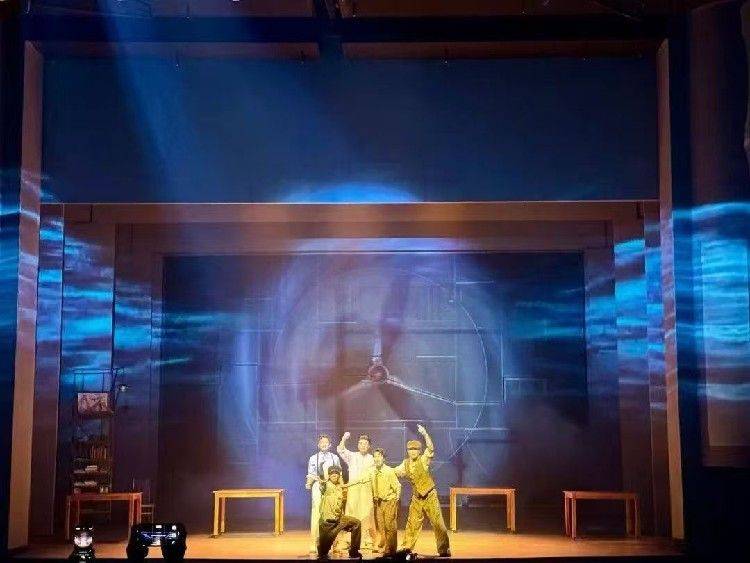
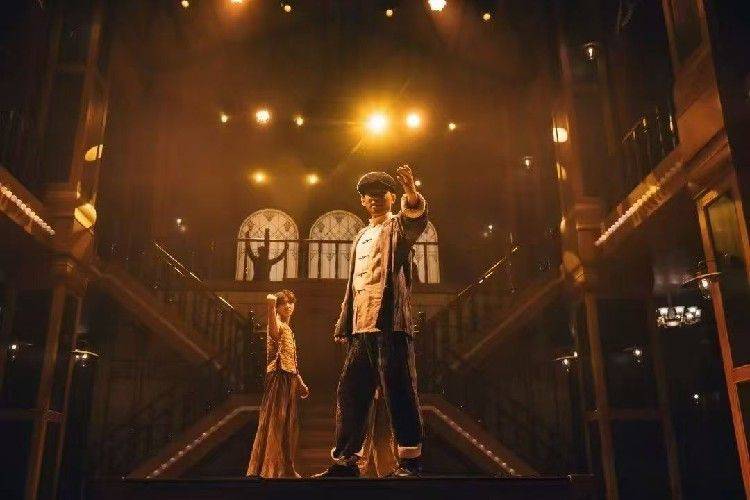
The theatre is not only a stage of performing art, but also a crossroads of creativity and dreams. The importance of the theatre stage lighting acoustic devices as one of the important elements in creating the atmosphere and enhancing performance effectiveness is self-evident. In order to ensure the smooth running of each performance, regular screening and maintenance of the stage light acoustic equipment is particularly important。
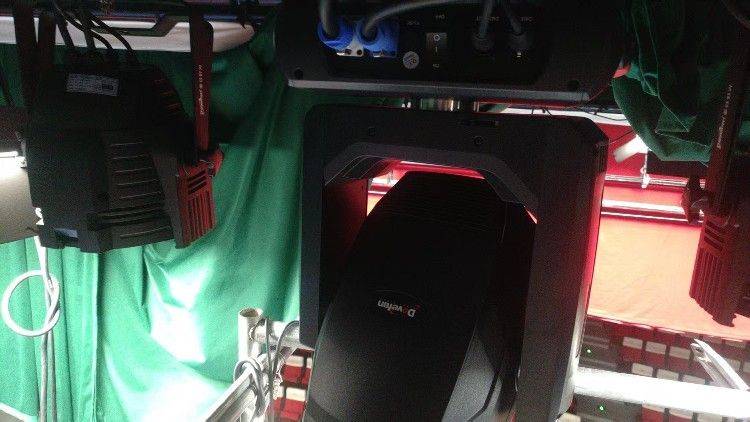
There is also a need to check whether the cable connection to the stage light equipment is loose, to clean up the dust accumulated on the surface of the equipment, to replace ageing parts and to ensure that each lamp is ready for the next performance in a functioning state。
Maintenance of the equipment in the control room should also not be overlooked. Here's the center of the entire theatre-stage lighting sound system. The maintenance staff carefully checked whether the controls and commands of the equipment were responding accurately and tested whether equipment such as theatre amplification sound equipment and wireless microphones were working properly。
Method of checking noise problems in sound equipment: if noise is present in sound equipment, the modulation interference is checked, and whether the sound and light power sources are disconnected. The second is to check whether the light power and control lines are too close to the audio signal line and whether there are any cases where the silicon case is too close to the audio device。