Chapter 2 condensants and condensants 2. 1. The theoretical basis for coal-washing wastewater condensation
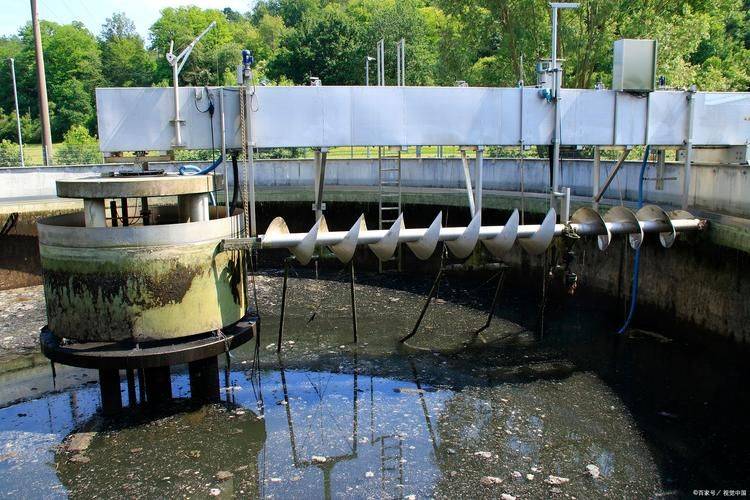
The study of the nature and characteristics of high concentrations of coal-washed wastewater shows that high concentrations of coal-washed wastewater are weak alkaline adhesive systems, the main features of which are: a relatively strong negative charge on the surface of particles; high suspension and cod concentrations; high levels of small particles; low particle density; high viscosity; high levels of sludge compared to resistance and poor filtering. It is these characteristics that make it difficult for high concentrations of coal-washed wastewater to sink naturally. The analysis concluded that, among the above factors, the most fundamental causes of the difficulty of treating high concentrations of coal-washing wastewater were two main aspects: the strong negative charge on the surface of the plume in the highly concentrated coal-washed wastewater system, which was mainly reflected in the adhesive level of the adhesive system; and the high amount of fine particles of less than 0. 075 mm, with low sedimentation rates, which made it difficult to separate the mud。
Based on available research and preliminary experimental studies, it can be seen that the primary task of high concentrations of coal washing wastewater treatment is to sequester the suspended material and thus separate the mud. The objectives are as follows。

1 separated upholstery meets the requirement for reuse of coal for closed circulation of coal-washed wastewater. Specific indicator: ss
2 sediments of coal mud are well filtrated and easily dehydrated and can be recycled. Specific indicators are 13 m/kg of sedimentation, which can be used as fuel。
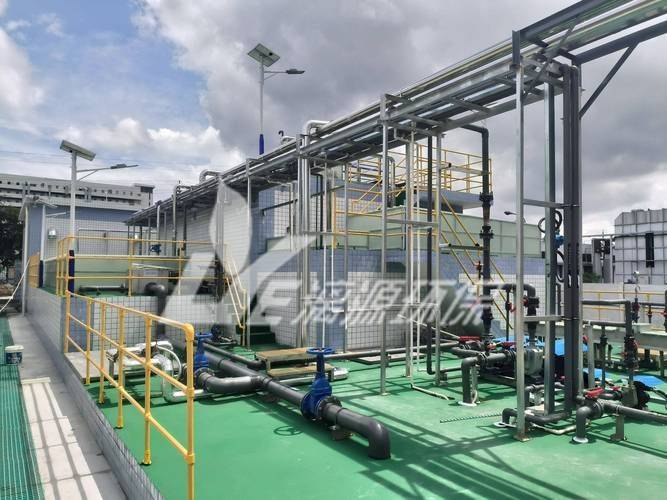
For highly concentrated coal-washed wastewater in adhesive state, these objectives can only be achieved by seeking to congregate electric-carrying gel particles and form larger particles. It is therefore proposed to adopt a treatment programme for sedimentation. The placement of condensants undermines the stability of the adhesive body, reduces the level of electrode, reduces the electrostatic retortion between the particles and the hydrochemical membrane, promotes the concentration of particles, adds condensants to increase the size of the adhesive particles and enhances the condensation effect。