I. Dietary adjustment: controlling heat and ensuring nutrition
A balanced diet: additional supplementary feeding is required during the breastfeeding period, but high calorie food is avoided. Ingestion of proteins (eggs, fish, skinny meat), food fibres (vegetables, coarse food) and reduction of refined sugar and fried foods. 1. A small number of meals: 5-6 meals per day, avoiding heavy consumption, maintaining blood sugar stability and reducing fat accumulation. 2. Drinking water: 1. 5 - 2 litres per day to promote metabolism and increase breastfeeding to 2. 5 litres. 3.

Ii. Movement recommendations: gradual activation of the core
(b) early post-natal period (within six weeks): primarily light activities, such as walking and abdominal breathing. Retention is subject to exposure and caesarean section is subject to confirmation of healing. 1. Rehabilitation of abdominal aerobic separation: 2. Medium and late (6 weeks later): gradual increase in low-intensity aerobic motion (drunner, swimming) and core training (plating support, hip bridge) 3-4 times a week for 20-30 minutes each. 3.
Iii. Optimizing living habits
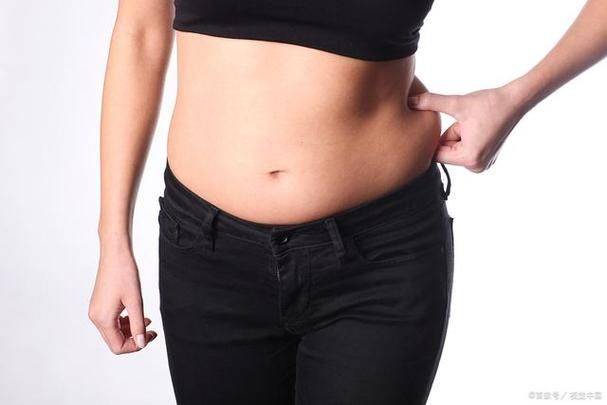
Avoiding prolonged sitting: exercise body every one hour and maintain the correct position when breastfeeding (surveillance pillow). 1. Adequate sleep: inadequate sleep increases cortisol and increases abdominal fat accumulation. The baby can be looked after on a rotational basis with family members and sleep is guaranteed for 6-7 hours a day. 2. Careful use of abdominal cord: short-term use after caesarean section can relieve pain, but long-term dependence may weaken core muscles, subject to medical advice. 3.
Iv. Psychography and time management

Set a reasonable target: a gold recovery period of six months to one year after delivery, with a weight reduction of not more than 1. 5 kg per month. 1. Admission of physical changes: the lax skin resulting from pregnancy takes 1-2 years to improve gradually, allowing for increased skin elasticity in conjunction with wetting care. 2. Avoid extreme methods: diets and diets may affect the quality of breast milk, and excessive exercise can lead to pelvic muscle damage. 3.
At the heart of post-partum reduction lies the continuous and moderate adaptation of lifestyles rather than the pursuit of short-term effects. Breastfeeding itself can consume an additional 300-500 cards per day and, in conjunction with scientific management, most women can gradually recover within one year. In the event of serious abdominal dissociation or pelvis problems, counselling rehabilitation doctors are advised to customize。