Fat friends know that heat control during diet is important. You take more heat than you consume, you get fat, you lose weight。
So how exactly can you measure your calorie burning? A simple formula really makes it clear?
How did your calories burn?
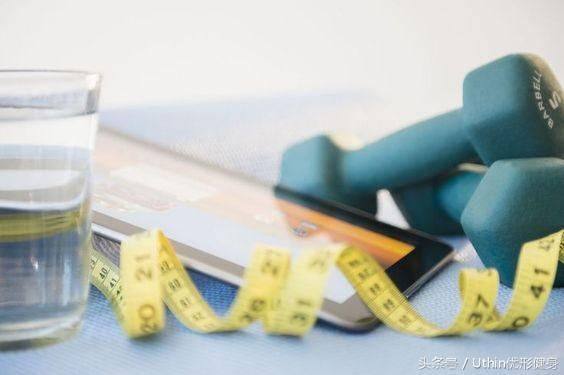
The burning of calories is made up of three parts:
1) basic metabolic rate (bmr) - it's your body burning calories during the rest of the day. You can't imagine. You sleep with your body burning in calories. When you rest, your respiratory, digestive and other body systems need energy (i. E. Burning calories). The combustion of the base metabolic rate accounted for nearly 65 per cent of the total calories。
2) frequency of activity - this is the calorie you consume, which requires physical exercise, i. E. Consumption through exercise. The more you move, the more calories you burn. Sport consumption will account for about 20 per cent of total calories。
3) consuming food - the digestion of food requires energy, but usually the effects of food heat add up only about 10% of the total calories consumed。
Calorie burning method#1: harris benedict
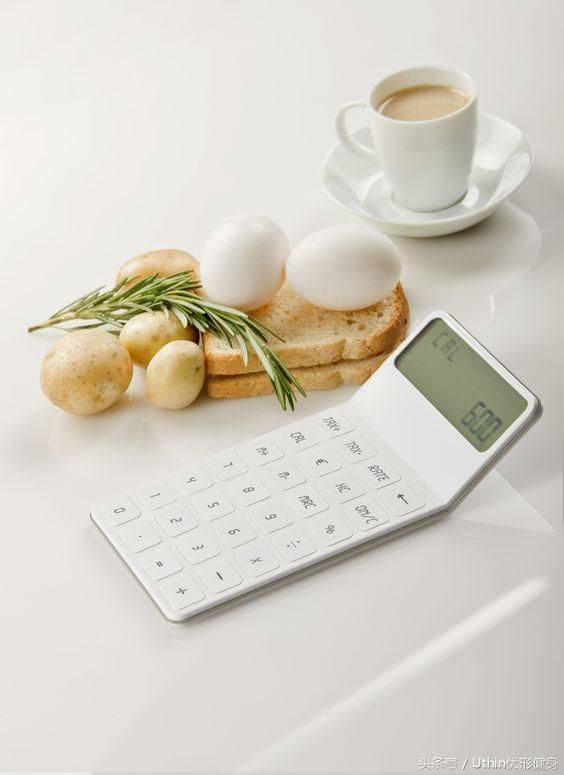
Most of the burning calorie calculations found on the internet are in haris niddekt
By your age, weight, height, and sex, you calculate your basic metabolic rate。
But this calculation is not accurate, and we need to calculate a more precise value by your activity level, so bmr (basic metabolism) multiplied by a “activity multiplier” that results in the total heat you burn (the equation is at the bottom of the article)。
It's important to note that the hb method does not take into account your own physical composition, it's just a popular average algorithm. Everybody's muscles are not identical, the more muscles the metabolism tends to be more active and the more calories burn. Hb methods overestimated the high percentage of calorie burning fat (high body fat content) and underestimated lower calorie burning body fat (high body muscle content)。
Calorie burning method#2: katch & mcardle
The cage and mccartell method, which takes into account your body composition, your base metabolic rate, is considered more accurate than the hb algorithm. Ka uses the same activity multiplier to combine hb, but there is a big drawback to this approach. Ka measurements depend on your body fat ratio, which is very inaccurate at current scientific levels. (ka equation, see bottom of article)。
#3: calorie combustion methods measure basic metabolic rates and activity levels
A more accurate way to measure your metabolic rate with a metabolic analyser. If you think your metabolism is slow, then this method will be very accurate. It works when you breathe into a pipe for about 10 minutes, and the analyser gives you body data. Because a metabolic analyser costs about tens of thousands of dollars, you'd better go to the hospital and do not know if there's a hospital in the country. It usually costs about $1,000. The metabolic analyser is also flawed because your base metabolic rate fluctuations depend on many factors. However, it is already considered a measure of the standard metabolic rate of gold。

The best way to measure your activity is to try to measure your movement with an accelerometer. These trackers are the scientific proof of your burning calories, and their price ranges from $600 to $2,000. When you ride a bicycle or lift weights, using these caloric instruments, it's supposed to be fun. I think these calorie meters are interesting, and they're kind of interesting as an incentive to get people moving。
How exactly can you measure how many calories you burned
I think a combination of hb and ka would do well if i had free money to buy a sports bracelet with calorie measurements。

Calorie burning equation
Harisnedict
Basic metabolic rate (m): = 66 + (6. 23 *weight kg) + (12. 7 * height cm) - (6. 8 * age)
Basic metabolic rate (f): = 655 + (4. 35* bw kg) + (4. 7 * height cm) - (4. 7 * age)
Cage & mccartell method
Basic metabolic rate (m + f) = 370 + 21. 6 *common mass kg)
Equivalent mass = weight kg-(% weight kg* lipid)
Activity multiplier (all hb + ka methods use the same activity multiplier)
Little or no exercise, office work
1. 2 times base metabolic rate
Light exercise, 1 - 3 times a week
1. 375 base metabolic rate
Moderate sports, 3 to 5 weekly campaigns
1. 55 times base metabolic rate
Heavy exercise, six to seven per week
1. 725 times base metabolic rate