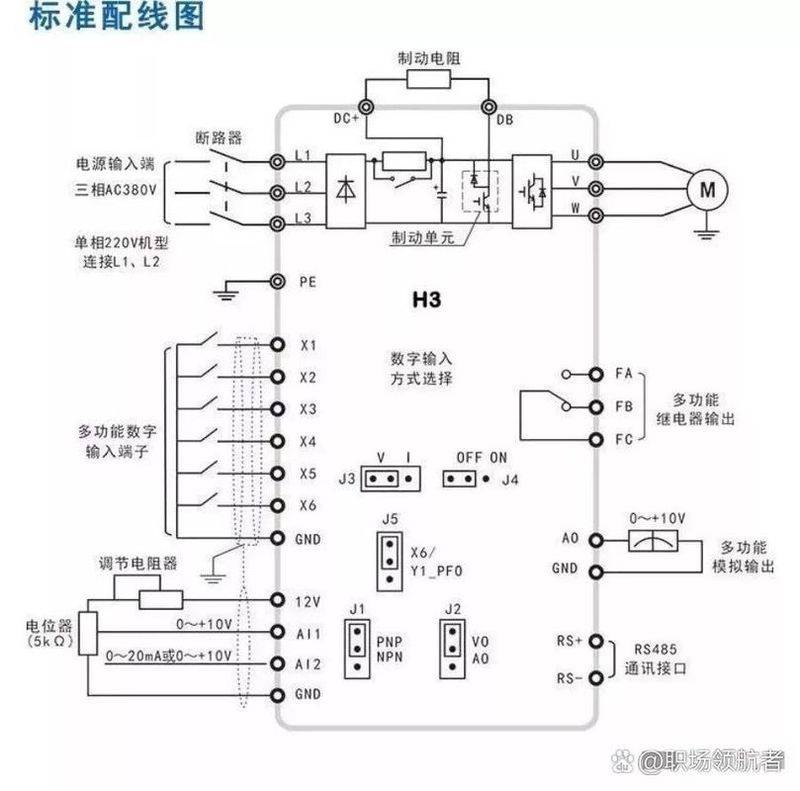
The working principles of the varianter explain that the transformer, as an electrical energy control device, converts the industrial frequency power source to electrical power at different frequencies through the decomposition of electrical semiconductors. The text indicates that the frequency transformers are mainly transversal (vvvf or vector-control variants) and that the process involves the conversion of the industrial frequency exchange power through the integrator into a direct current power source, followed by the conversion of the direct current power to a direct power supply motor that can be controlled by the frequency and voltage. The circuit structure of the frequency transformer consists of four components: a condensed, intermediate straight-flow, reverse-transforming and control, consisting of a tri-channel uncontrollable integrator, an igbt triple-bridge reverser, and an output pwm wave shape, with the intermediate straight-flow chain responsible for filtering, direct-flow storage and powerlessness buffers. The article also describes in detail the factors to be taken into account in the selection of a varianter, such as its frequency purpose, the type of load and its performance curve, the compatibility of the variable with the load (involving voltage, current, rectangular matching), the high-speed electric power drive, the operation of long cables and the volume adjustments under special applications. In addition, the importance of the installation of the environment, including temperature control, moisture management, corrosive gas protection, vibration shock response and electromagnetic wave interference containment, was emphasized with respect to the design of the rfc control rationale; and specific recommendations were made on the determination of the distance between the rf and the electric power, the method of cable wiring to ensure less electromagnetic interference and greater system stability; finally, reference was made to the role of electrical resisters and filterers in the main circuit and the principles of their configuration。
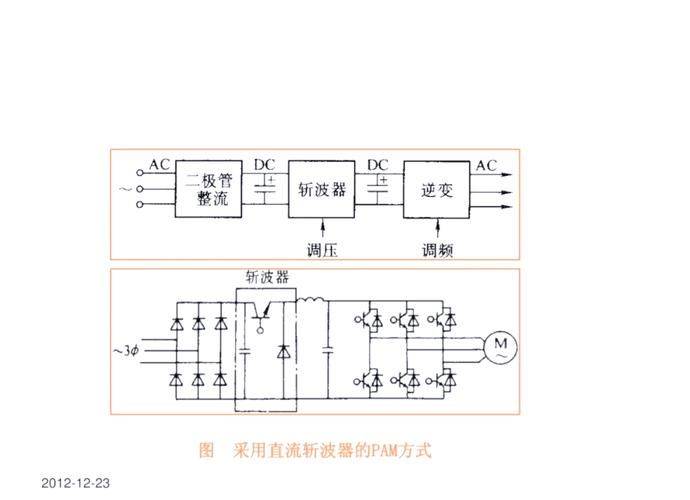
The modifier works are applicable to enterprises and individuals involved in the field of industrial automation, particularly electrical engineers and technicians in the mechanical, metallurgical, textile printing industries, etc. The document helps them to understand the basic working principles and internal configuration of the frequency transformer, and guides them in the correct selection and use of the variable in the actual engineering application, optimizing the performance of the equipment, reducing energy consumption and improving production efficiency. At the same time, for professionals involved in the design, installation and maintenance of the frequency control system, this paper provides a detailed theoretical basis and technical reference that will help to resolve the problems encountered in the field and ensure the safe and stable operation of the system。