The aerosol method is a small bubble that binds impurities in water to less obscurity than the water, and then the particles are floated up to the surface of the water and removed from it. It is a method of separation between solid and liquid。
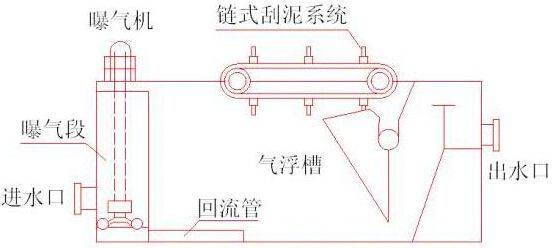
Specific process: into airfall generates a fine bubble of ss attached to the bubble
Application: suspended matter of natural deposition or uplifting, and solid particles close to 1
Object of application of the air float method
1 solid - liquid separation: solid particles are very small in sewage and the particles themselves and their formation are close or low in density
In water, it is difficult to use sedimentation to separate various effluents from solid fluids
2 for water: applicable to the purification of high algae-bearing water sources, low temperatures, contaminated water sources and salt water from industrial raw materials
3 l-line separation: separation of recovered oil from sewage, fine oil droplets from organic solvents, surfactants and metals
Ion parity。
4 call for access to higher hydro and solid loads of sedimentary weight, or limited land use
5 effective for active sludge enrichment
Characteristics of aerosols
Because of the likely high surface load of the air pool, the water stays in the pool for only 10-20min and only 2 m deep
On the other hand, the area is small, with 1/2 ~ 1/8 sedimentation; the pool is 1/4 ~ 1/8. Capital savings (approximately 25 per cent)
(1) air plumes are pre-exposed, discolored, cod-reduced, etc., with water discharges and drosses containing a certain amount of oxygen for subsequent treatment or reuse, and sludge is not perishable
(2) for low-algae-bearing water, which is difficult to remove by sedimentation, air floats are treated efficiently, and even plankton in raw water can be removed and water quality released okay
(3) low floating water content, generally below 96 per cent, is 2-10 times less than sedimentation sludge volume, resulting in cost savings from simplified sludge disposal. Also, surface scraping is easier to recover than bottom drain (4) useful substances, such as pulp in paper and white water。
(5) the dose required for the aerosol method is lower than for the deposition method. However, electricity consumption is high, at about 0. 02 ~004 kwh/m3; solute emitters are clogged; and drosses are affected by wind and rain。