The spring is not just a flower, but a great ritual in which everything wakes up from the fall。
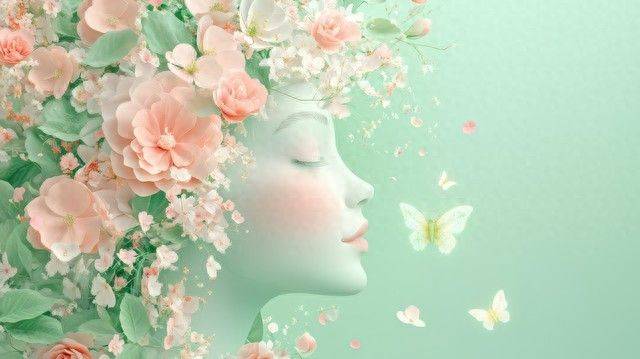
In the morning light of the year of the pontoon, let us follow the ink of the ancients, and see how they capture the moments of the earth's breath, the sound of life's breaking earth, and the power of the invisible but pervasive “living”。
The poems contain not only the beauty of the leaves, but also a whole universe that stretches beyond its roots, breaks into glaciers, and starts with worms。
______
I. Electronic freedom, institution of the worth — observations
Original language:
The east wind thaws, the worms start. The fish are iced, the otters die。
Source: although not strict, it was the first scripture to systematically document objects。
Parsing: here is an ecological landscape after spring: the east wind melts the ice, and the hibernate insects move slightly in the soil; fish feel the temperature rises and swims close to the ice that has not yet been fertilized; and the otters will catch on the shore as a sacrifice. The ancients woven the climate, the animals, the people (the otters' rituals) into orderly instruments with precise observations。
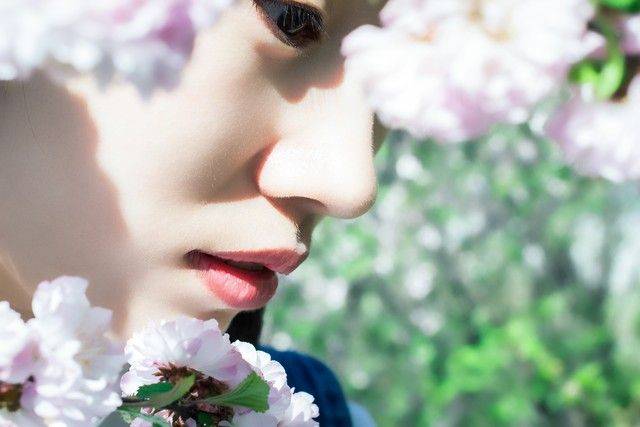
Consciousness: spring does not come suddenly, but is the result of a series of small signals. In today's hot, fruit and vegetable seasons, we lose the sense of "precedent." the true spring, beginning with the wind that the skin feels without stinging, begins with hearing the first blurry insect. It reminds us that human beings are also part of the natural rhythm, and that our bodies and emotions, too, change in this “freeze” and “start”。
♪ little rain on sky street ♪
Original language:
Little rain in the streets is sour, and the grass is far away. The best is a year's spring。
The first spring drizzle and the first seed of grass。
Analysis: the koreans have seized the most delicate and hopeful moment of spring. The soothing is the touch, and the spring rain is sore as the oil, which nourishes rather than brushes. "the grass is so close to nothing" is the magic of vision — looking far green, but coming close is hard to find. The green is not in sight, in the hearts of poets and human beings. The poets assert that this is a great opportunity for comparison with the smug view of twilight spring。
Consciousness: "the grass is so close to nothing," just like the state in which all great things begin: ideals, love, ideas for change... Before they really take root, they are merely a faint but stubborn feeling that they cannot withstand close scrutiny and challenge. The korean church has taught us to value this “unpredictable” because it hides the direction of the entire season. This incentive to “potential possibilities” is particularly valuable in the immediate pursuit of visible and quantifiable results。
Iii. Tonight is the night of spring warmth, the sound of the bugs is the new green veil - liu fongping the moon
Original (extract):
Deeper than the moon, half the house, and the beige slashed. It's a warm spring night and the sound of the bugs is new through the green veil。
Volkswagen: the earth's gas is up, the worms are ringing。
Parsing: spring nights are cold, and poets are sure to “know” the warmth of spring. It's not from vision (lunar, starfights), it's not even from skin, it's from hearing — the word “new penetrating” is wonderful, it's new, it's exploratory, it's the first time it penetrates the veil and it penetrates the silence of winter. The sound of the worms is the rejuvenated pulse of the earth, weak but irrefutable。
Consciousness: the deepest sense, often at the most quiet moment. How long have we not heard a truly natural voice in the darker moon on the night of the information bombing? The new penetrating insect is a gentle awakening of numbing senses. It tells us that the evidence of the spring is sometimes not in the circle of friends, but that there is a weak, vibrant vibrating sound in your ear after you dropped your phone。
Iv. Three or two of the peaches, the prophet of the spring river's warm ducks - su-hye zhongchang's night vision
Original (extract):
Three or two of the peaches, the prophet of the spring river. It's short-lived. It's when the dolphins want it。
Climatic: temperature changes, plant growth and animal migration。
Parsing: soo-soo wrote a hymn for the painting, but wrote life logic outside the painting. Peachflower is a visual report, water heating is a tactile report, while the “duck prophet” gives the right to report to the most direct experiential person — a duck who plays in the water all the time. The latter two sentences, which were pushed by eye visions (artemis, sprouts) to the invisible part of the river (on the porpoise), show the link between the food chain and the spring. This is the poet's simple and profound understanding of the ecosystem。

Awareness: who is the authoritative publisher of spring? It's not a calendar, it's not a weather station, it's a life with a whole body. We know the world by data and second-hand information, but we lose the instinct to measure water temperature with the skin of the duck. The “duck prophet” of sudong hill is a metaphor: true knowledge, derived from the deepest personal participation. If you want to learn about spring, you should put your hands in the stream and step on loose dirt。
♪ good rain time ♪
Original (extract):
Good rain, when spring comes. Follow the wind into the night, the lubricant is silent。
(a) the nature of spring rain。
Analysis: duft gave the spring rain the personality — “good” and “time and time”. It does not invite credit, it does not speak, it “go in” when people sleep, and it does so in a “silent” way. The word “occupying” is not a simple drop, but a catalyst, a catalyst, a trigger for life. The poet's praise of the rain is a desire for an ideal fertilization: timely, moderate, no reward。
Consciousness: in an era of yearning for “one night's fame” and “immediate impact”, the wisdom of this “loveless” is severely underestimated. Real growth and change, mostly in the middle of the night, are the accumulation of countless “silent voices”. This “good rain” patience is needed, whether it be education, upbringing or social culture. We are both everything that desires to be “weeded” and we should strive to be “weed”。
Six, a few morning trees, who's the new oats
Original (extract):
North jatinsi of the monsanto temple, the water level is low. A few morning sprouts for warm trees, who's a new stinger。
Class: bird activity - competition and nesting。
• analysis: a dynamic, noisy and dynamic map of the city of early spring (the natural wells) is drawn from the uncertain expression “some places” and “who's house”. Early “winning” of warm trees is a competition for resources for survival; the new oats are hard to build their homes. The sound, the movement, the purpose are all in it. Spring is not just a quiet picture, but a dynamic process。
Awareness: the animal's “competence” and “peck” are a reflection of human struggle. Spring is the beginning of the race and the foundation of the nest. We often feel pressure, either because of the intensity of the “heating tree” or because of the triviality of the “spring mud”. But the white poem, with a happy note, views this competition and work as indispensable and positive voices of spring. It allows us to embrace the inevitable rush and noise of life in the spring, which is part of life。
Jang zhang zhang zhui zhang zhang zhang
Original (extract):
It's too late for ice cream, spring to the earth. I felt like business was full。
Climatic: climatic return and collective perception of grass。
“legislation” means the air-conservation calendar. In spring, the sun returns and the ice falls. “whiskey knows” is a poetic eye — people may still be wearing winter clothes, but the roots of the grass have changed with a sense of temperature and have begun to deliver nutrients. This “know” goes beyond visual, intrinsic life awakening. And so the poet “can’t see” being full of “business” and even the ripples of the east wind rising over the water were green。
Consciousness: we often rely on weather forecasts and mobile phone applications for the “know-it” season, and we pass through the intuitiveness of the body as much as the grass. “whiskey knowledge” is a profound wisdom: an understanding of the environment, derived from the most instinctive and survival-level connections. When we are tired and numb, let's take our attention, like the grass, away from my thoughts to my breath, back to the ground beneath our feet, to feel the most primitive “terrestrial” and “east wind” that supports life. Spring is first and foremost an inner feeling。
Viii. A grain of tea is grown in spring, and in the autumn there are thousands — mr. Li's pity farmer
Original (extract):
Spring seeded a grain, and autumn collected 10,000. The farmers are starving。
(a) material: spring tillage and hope for life。
Analysis: the first paragraph of the poem depicts the greatest commitment and miracle of nature: a seed buried in the spring, bred by time, can pay back thousands in the autumn. This is an exponential force for the reproduction of life and the most devout belief of farming civilization in heaven. The latter two sentences, however, went down sharply and exposed the injustice of society. It is the sharp contrast between this natural abundance and the hardships of the human race that gives the verse a powerful force。
Awareness: spring is the season of “investment” and “hope”. Whether we plant the next seed, or start a plan and develop a habit, we are guided by the same conviction as the farmers that the current tillage will bear fruit in the future. Mr. Lee's poem, while praising nature for its strength, warns us that the best of the laws of nature also requires a level playing field in society to deliver on its promises. Our “springs” are not just material but also a seed of goodwill, justice and reason。
Thought the physter of the physit, the physit of the physit
Original (extract):
Against the sea, against the forest. ... Spring grass from ponds and willows to birds。
Plankton: gradients found in the still view。
Anticipation: the early onset of sherling's illness, as you can see on the building, has changed. “birth” and “change” are dynamic processes, but are presented in static images: spring grass spreads by ponds, and on the willows in the gardens, a variety of chirping birds have changed. And it is not a change, but it is done in the time of the poets. Behind the verse is the deep vibrancy and fresh surprises of the flow of life among the long-suffering bedmates。

Consciousness: we are often part of a “change” in which we are not aware. It is only when, as in the case of sherling, she “leaves” for a certain period of time and looks back at it, that she can be appalled by a dramatic change in the way “spring spring grass”. This reminds us that it is sometimes necessary to proactively create “separations” and “quiet views” in order to see the trajectory of life, the flow of relationships and even the changing times. In spring, we are invited not only to spur growth, but also to stay and identify the “born” spring grass and the “changing” birds。
X. Spring wind as a guest, when it arrives, it flourishes
Original language:
The spring wind is like a guest, and as soon as it arrives, it flourishes. To sweep a thousand mountains of snow, and to return the flowers of all kingdoms。
(a) material: spring wind is a powerful force for change。
Analysis: the yuan has begun with a metaphor, making the spring wind a “hospitable guest”, and its presence is itself a great event, and it then triggers “flood”. The latter two sentences summarize the performance of the spring wind with the words “to sweep” and “to return”: it begins with the cleaning of winter snow and leaves wild flowers. The wind is invisible, but the poet through it brings about a great transformation, which gives him the image of the king who sweeps the armies, and zelig is the king over everything。
Conscious: spring wind is the greatest agent of change in the universe. It is mild, but unstoppable; it is invisible, but it works. This provides us with a metaphor for dealing with changes in individuals and societies: real changers, not necessarily the sharpest warriors, can be forces of the “spring” and subdued forces. It understands that “cleaning up” snow (old habits, barriers) is necessary, but the ultimate aim is to allow the “plurinational flowers” (multiple, new possibilities) to flourish. In an era of desire for rapid success, we may need more “springs” of wisdom: trust in time, create an environment, and then wait and see。
______
Everything is born, and the heart rises
From the material records of the decree, to the spring festivities of yuan yi, ten poems, ten scenes of life. The ancients looked at the spring, and saw it with a little knowledge: a morning of the worms was a spring letter, a morning of the grass was a spring, a river of warm water was a spring temperature, and a plough of spring rain was a spring cultivation。
In the spring of the year, we may no longer be eating from heaven, but the rhythm of life has not changed. We are still hopeful in the heat of the spring, in the good rain, in the light of the sun, and in the construction of life as a new swallow。
"the spring to the earth." may we all be able to reawaken in the busy cracks of our bodies -- to sense the return of the earth's gas, to listen to the cracks of the ice, to emulate the resilience of the seeds to break the soil, and to have the tenderness of spring wind and rain。

The sun and the rise and the spring。
And when all things do not fall asleep, then the hearts shall be raised. This is the new revelation that spring has given us, and that we have read from year to year。