


Professor dun chunhua
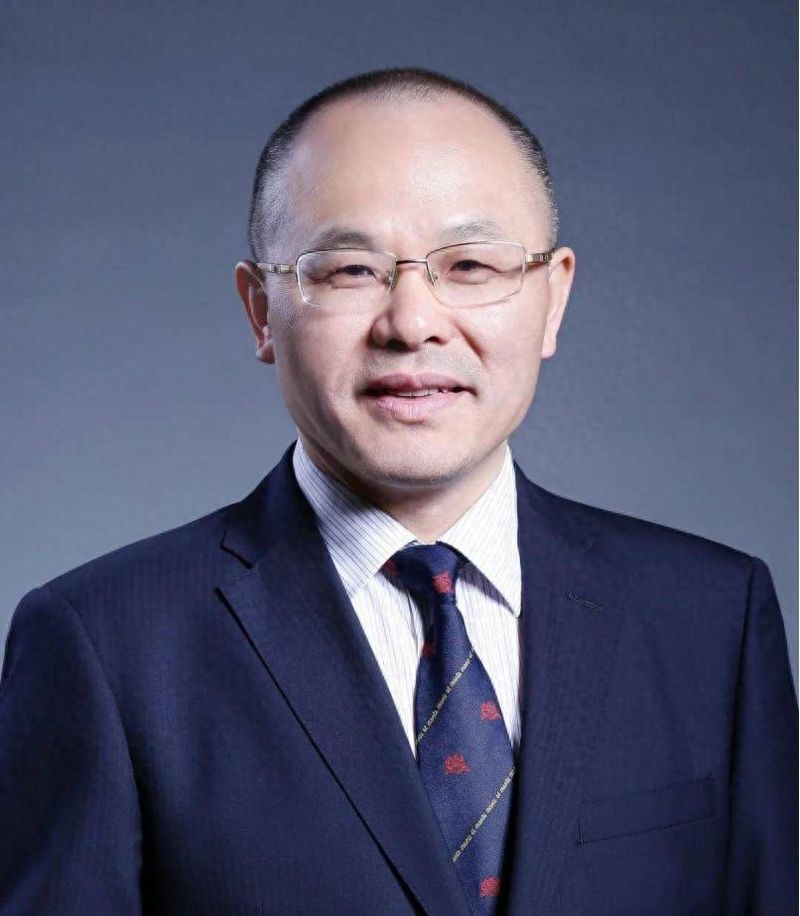
Professor deng chunhua, director of the men's section at the first hospital attached to nakayama university. Member of the seventh chief of the men's science section of the china medical association, first and second main committee of the guangdong medical society, member of the committee of experts on clinical research in stem cells in guangdong province, member of the hong kong academy of medical sciences. In 2017, he was awarded the title of the first "doctors of the nation, distinguished and prominent" and was awarded more than 20 scientific research projects at all levels. Among them, the "study series on the treatment of men's diseases in stem cells" received significant special funding for scientific and technological innovation in guangzhou city in 2015 and guangdong province in 2016; the "study series on new technologies for the diagnosis and treatment of surgeonless diseases" received the second prize for scientific and technological progress in guangdong province in 2014 and the first prize for the development of probity and probity in guangdong province in 2016, and received 8 state patents; and published more than 150 articles, including more than 50 high-quality papers, and the chinese medical association's guide to the diagnostical treatment of men's diseases, a guide to the diagnosis and treatment of men's diseases, and 10 academic monographs, in writing more than 20 academic monographs。
Prostate growth is one of the chronic diseases common to older and middle-aged males and can cause men to urinate, causing many inconveniences to their lives. On the occasion of world men's health day, 28 october, i invited professor deng chunhua, seventh director of the china medical association's men's science section and chief of the men's section of the first hospital attached to nakayama university, to provide a lifestyle perspective for the healthy management of prostate growth in the coptic prostate. Professor deng chunhua suggested that older and middle-aged men should value the early signs of prostate growth and develop a healthy lifestyle of “moderate drinking of water, multi-motorization, non-suspension, sit-in and non-drinking” in their daily lives。
Is prostate growth the “old age crisis” that men cannot hide
The prostate is the largest substantial organ in male reproductive arthropods, weighing about 15-20g, with chestnut size. It is located below the bladder, in front of the rectum, with urea and ejaculation pipes, which can be described as the “traffic centre” of the male reproductive and urinary system, where the prostate is capable of excreting prostate fluids, maintaining male physiology and is also the main “switch” for normal urination and urine control。
Age and hormonal stimulation are the most important causes of prostate growth. The incidence of prostate growth generally occurs after the age of 40 years and increases annually with age, with about 20 per cent of the population aged 51-60, 50 per cent of the population aged 61-70 and 83 per cent of the population aged 81-90. So don't think that prostate growth is a scary disease, but it's a common phenomenon with age, just as people grow older with long white hair。
Why does every man get old and suffer from prostate growth? Prostate growth and maintenance of function are heavily dependent on male hormones. After the age of 40, the adrenal tissue in the prostate is gradually degraded, while the conjunctive tissue continues to grow under the influence of male hormones (which are, to be precise, hormonal imbalances), increasing the size of the prostate and leading to prostate growth. The urinary tract is in the middle of the prostate, and when the prostate tissue that emerges crushes into the urea, the previously open urea is flat, it produces a series of symptoms dominated by the frequency of the urine, the acuteness of the urine, the difficulty of urinating, the difficulty of urinating。
Four early warning signals for prostate growth
Many patients do not feel clearly uncomfortable when they are newly affected by prostate growth, but this does not mean that prostate growth is invisible. Generally, the four major symptoms are your prostate warning you。
1. The difficulty of urinating
There is a feeling that the body is urinating, but it takes a while to do so, which is a typical symptom of prostate growth causing urinary tract obstruction. Shorter range and milder urine flow are also symptoms of prostate growth。
2. Frequency of urination (urinary frequency)
Anomalous prostates begin to occur, the body receives frequent urination signals and acts with urination, the interval between urination is shorter (less than two hours) and the number of urinations increases and is more pronounced during the day and night, as in the case of a previous night, which may now be two to three or more times。
Night urine, night urine incontinence
Night urine is one of the most common and early symptoms of prostate growth and is associated with numerous causes, such as increased prostate tissue, inflammation of inflammation to the neck of the bladder and reduced inhibitive effects of the brain on urine at night. Incontinence at night is a serious warning of an increase in the prostate, which may occur during night sleep without control and even more so during the day, when medically referred to as “incontinent urine incontinuation”, as a result of the considerable disruption of bladder exports caused by prostate hyperplasia, leading to the impairment of bladder-exposure urine function。
4. Insufficiency of urine, leaching
As noted above, the current expansion of bladder export barriers due to gland hyperplasia can result in the loss of bladder-exposed urine function, reduced contraction, increased residual urine, impregnated urine and subsequent leaching。
How to maintain the prostate from lifestyle
Prostate prostate growth is a chronic disease with long-term and evolving conditions, and a healthy lifestyle can effectively reduce the incidence of prostate disease. Regular medical examinations also detect prostate-related diseases as early as possible, thus mitigating adverse consequences。
Adequate drinking water: it is recommended to drink more than 2,000 ml of free water per day, with adequate additional drinking water allowing for additional urine, which not only dilutes blood, but also effectively dilutes the concentration of urine and reduces the harm to the prostate caused by some substances in high concentrations of urine. Of course, at night, especially before sleeping, do not over-drink, which leads to excessive generation of late-night urine, which leads to the start of the night (as opposed to the frequency of the previously mentioned prostate tissues or haemorrhages, and the amount of urine per person, except for frequent urination)。
Multi-motion: sports, especially in the abdomen, basins, thighs and hips, are one of the assets preventing prostate growth and can contribute to the blood circulation of the prostate. It is recommended to keep walking slowly, to go 20-30 minutes a day or to do a sit-down, crouching, anal or kegel movement that has a health effect on the prostate。
It is important to note that cycling is an unfriendly prostate movement, as bicycle cushions can crush the upper prostate part of the urinal tract and reduce the capacity of bladder drains, which may be counter-heavy。
Unsuspensed: many chronic prostate inflammation is prolonged, with long-suspension, which makes the bladder wall thinner, and inflammation can gradually spread to the prostate and its surroundings, causing chronic prostate inflammation and pelvis。
Sitting soon: sitting long has prolonged the oppression of the prostate, which is said to be “resisting wherever there is oppression”, and therefore standing up for up to an hour to depress the prostate。
Non-drinking: the expansion of the blood vessels is also a cause of prostate haemorrhage, making men more susceptible to prostate inflammation or re-emergence, and suggesting that friends with prostate disease do not drink。
For patients suffering from pelvic pains such as low abdominal, cavity and damp cystals, which are more visible or accompanied by complications of excretion in the prostate, hot (hot) bathing is a simple, economical prostate health practice that is expensive to insist on。
In addition, we recommend that people over 50 years of age go to the hospital every six months or a year for rectal examinations, kidneys and prostates, which are important tools for early detection of prostate growth and even prostate cancer。
Yes, sir



