Energy people are watching, click on the top right corner and add "watch."
Actors
Guo jianqiang 1, wong wu feng 1, liu xinlong 2, chen jiang, 1 chiang
Author unit
1. Guizhou university civil engineering college; 2. Chongqing university civil engineering college
The research background is characterized by a gradual reduction to a minimum in the size of the rock, and when a critical load is exceeded, the growth in the size of the rock as a result of the extension of both the existing and the creation of new faults is beginning to increase, a phenomenon called rock expansion, which was first observed by bridgman in the 1940s, and the corresponding critical load is called the amplification stress or the long-term strength of the rock。
In recent years, with the development of deep mineral resources and the construction of energy reservoirs, the exploitation of underground subways and urban spaces, rock tunnels, slopes, etc., the stability of rock expansion, which is also a precursor to earthquakes and rock explosions, has been associated with the stability of rock expansion。
For example, the instability of oil and gas reservoirs will inevitably lead to engineering accidents such as reservoir failure, surface sinking or gas leakage. In order to ensure the integrity of the dissolved salt rock used for oil and gas storage, salt rock will need to avoid any build-up; and deep-dwelling rock projects will be subject to a large range of rock disruptions (extension) resulting in greater fragmentation, which will require engineering support measures to ensure the safety of the project. It is therefore of scientific importance to conduct research on rock expansion。
Summary
In response to the low precision of the calculation of the current amplification guidelines and the difficulty of reflecting the impact of seismic-source release response energy on rock build-up, the existing amplification guidelines were studied in terms of elasticity from the point of view of theoretical analysis and experimental studies, based on the fact that energy conversion is the essential attribute of physical processes, and broad expansive guidelines were established。
The results show that there are guidelines for scaling up the peso-sum ratio equal to 0. 5 as a prerequisite for material expansion in an arbitrary stress state; there are guidelines for linear scaling-up that do not take into account the impact of the intermediate primary response on the build-up, and that the build-up response increases with the oscillation line。
Based on the analysis of the expansive guidelines, the material begins to expand when the energy-based elasticity modification reaches a certain threshold, thereby establishing broad expansive guidelines; the guidelines break the traditional assumption of 0. 5 peso-synthesis at material expansion and reflect the effects of intermediate primary stress, elasticity modulus, peso-synthesis and unknown releaseable mutagenic energy (or seismic-release mutagenic energy)。
When the peso peso ratio equals 0. 5, the guideline is reduced to an existing amplification guideline; the smaller the peso peso peso level, the smaller the expansive effect is calculated by the broad expansive guideline; and the reduced capacity of the expanse by the broad expansive guideline is likely to result from an increase in intermediate stress。
The broad expansive guidelines provide the theoretical underpinnings for seismic predictions, both to calculate the extent to which rock bodies are affected by the response energy released from seismic sources, and to calculate the size of the absorption response of the rock bodies that occur. The calculations of the strength of rock amplification under three-axis stretching and three-axis compression conditions indicate that broad expansive guidelines can describe the condensation properties of the rock and analyse the underlying mechanisms that led to the above results. The broad expansive guidelines are important for rock expansion, seismic forecasting, mining of deep mineral resources and stability of underground works。
Introduction by the author

Guo jianqiang, male, born on 15 september 1980, a doctorate in engineering, associate professor, master's student mentor and professional teacher at the civil engineering college of guizhou university. Published more than 24 academic papers, ei/sci。
Research orientation
Intensity theory and rock blast control
Key results
The study on intensity theory and rock blast control, which suggests that the releaseable transformations of material stocks reach the threshold and begin to expand, establishes an expansionary guideline that reflects the effect of the resilience of flexibility, elasticity, porbusbytes and seismic releases, which can be used for seismic predictions; proposes that, when material storage elasticity changes reach the threshold, there will be submission, destruction or rock explosion, and establishes a uniform expression of strength theory and rock blast determination。
Text picture
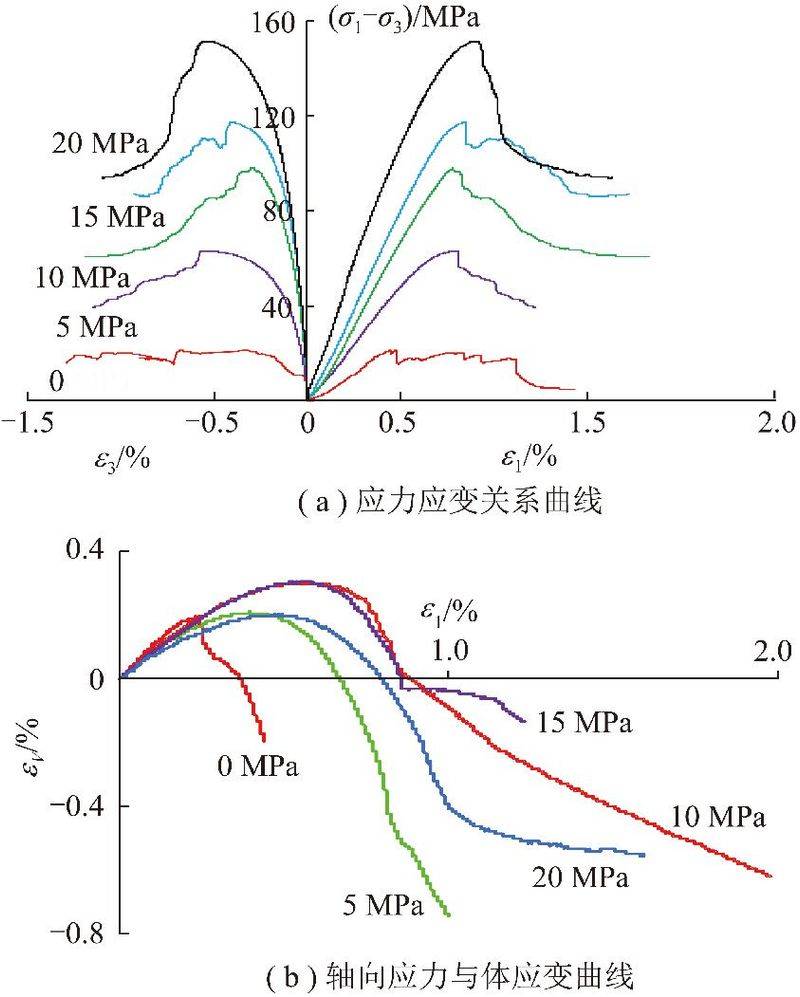
Three-axis compression test for mud white clouds
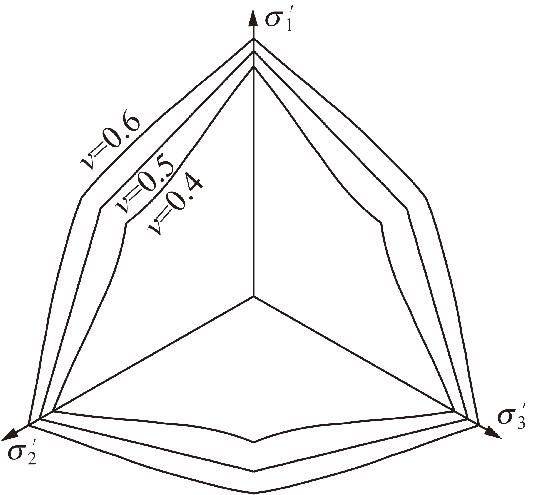
The broad m-c amplification guideline on the expansion trajectory on the plane
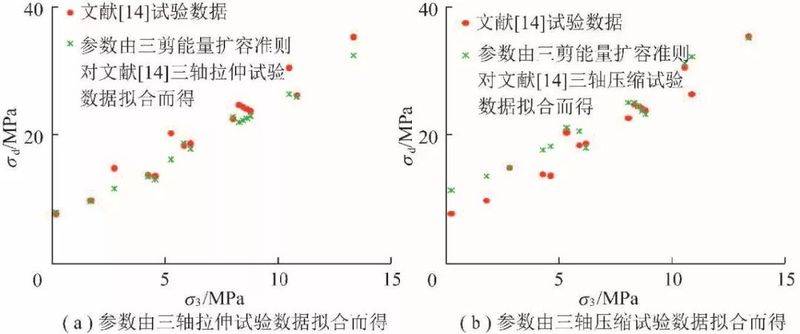
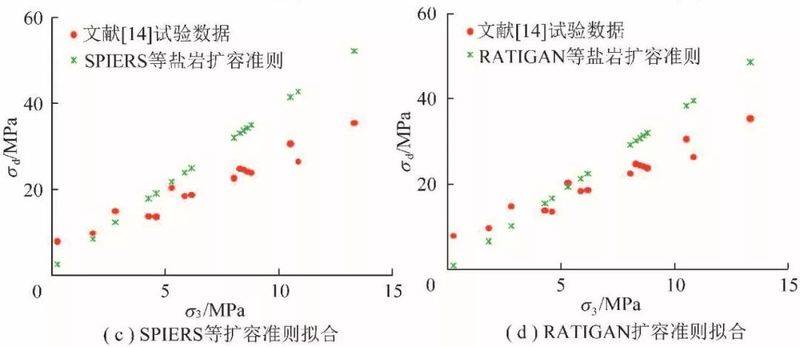
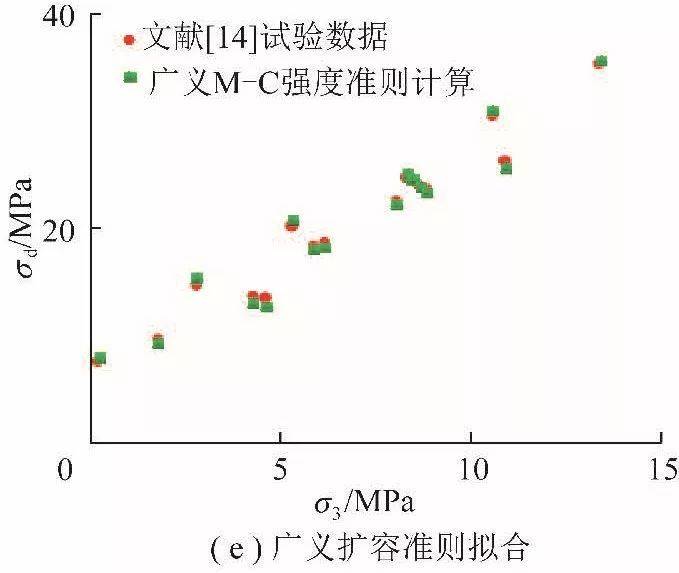
Computation of the literature's saline magnification response
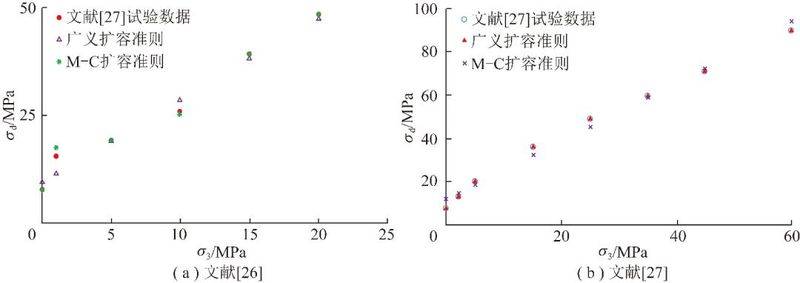
Computation of the literature's saline magnification response
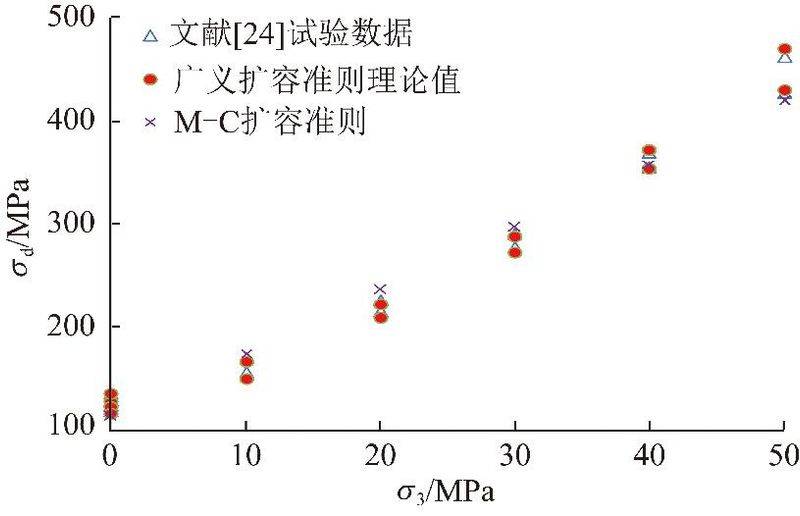
Computation of the literature's hard rock extension response
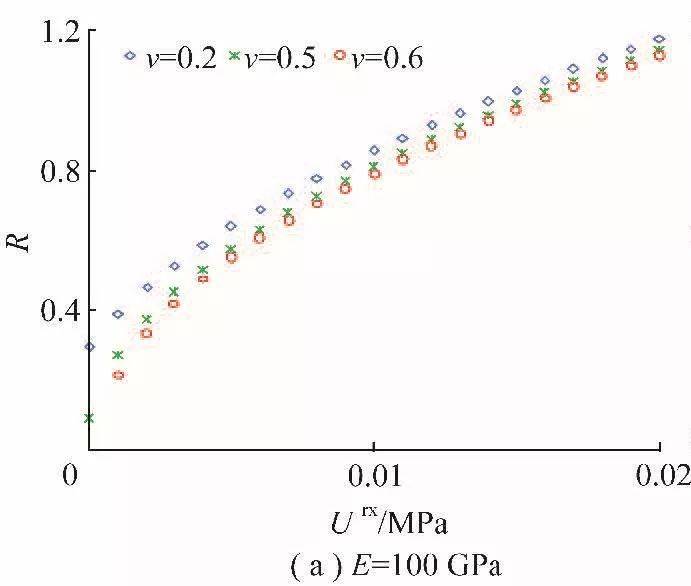
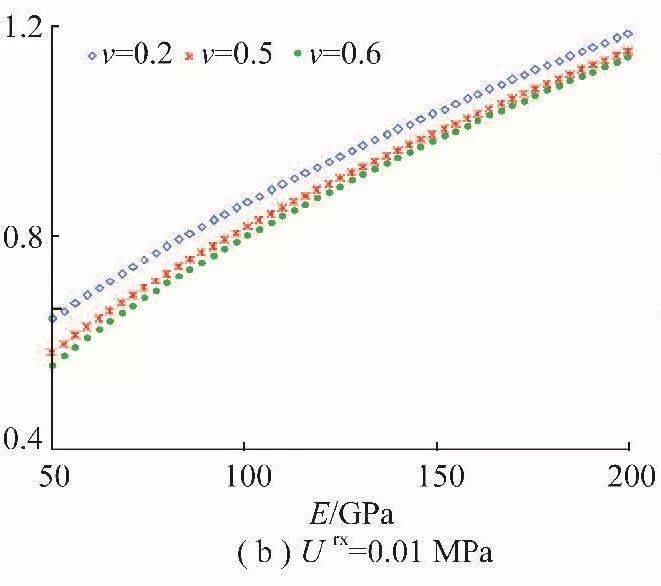
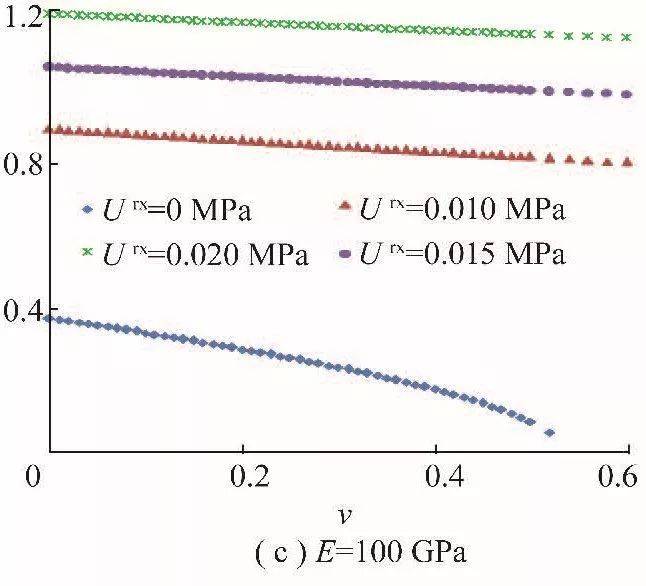
Impact of urx, 160 and e on amplification (i2)