What's a shock pressure
The impact pressure refers to the body of rock in the wells alley or around the working surface, which is powered by sudden and intense destruction due to the immediate release of flexible deformation energy, often accompanied by such phenomena as coal rock ejection, loud noise and air waves。
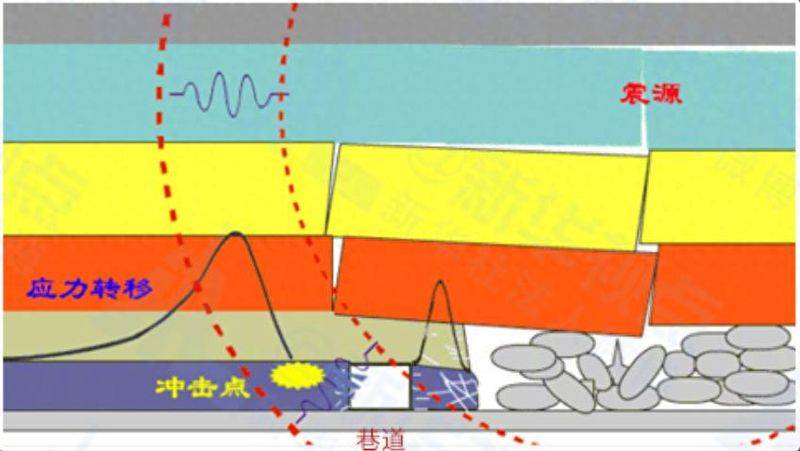
The combination of static loads and mine vibrations in coal rock formations is greater than the minimum charge that triggers the impact of coal rock。
Main features
1. Sudden. There was generally no visible precursor, and a considerable amount of impact pressure was caused by blasts, roofs, etc., but many also occurred during periods of no human activity. It is usually accompanied by strong vibrations and sound, sometimes with a sense of shock in the range of thousands of metres on the ground. The shock process is short, lasting from seconds to dozens of seconds。
2. Generally manifested as a coal explosion (coal wall burst, small ejection). The shallow impact (in the 2m-6m area of the coal wall, is devastating) and the deep impact (in the depths of the coal, the sound of the mine is different in extent of damage). Coal-bed shocks are most common, as well as top and bottom shocks, with a small number of mine explosions. Most of the impacts of the coal layer are reflected in the outburst of coal, with a small number of tens of square metres of coal moving as a whole, accompanied by huge sound, rock shakes and shock waves。
3. Disruptive. Coal wall gangs, roofs sank, bottom drums, scaffolds broken, alley blocks blocked, and casualties。
4. Complexity. Under natural geological conditions, the coal species other than lignite are poached from 200 m to 1000 m deep, geological formations are simple to complex, coal layer thickness is from thin to superheavy layers, with inclinations ranging from horizontal to precipitous, tops including sand rock, grey rock, oily shale, etc., and in technical conditions such as coal mining methods and coal mining processes, with total collapse or water filling, long-wall, short-wall, house-column or column mining. It is only a small number of impacts from long-wall uncoal mining。
What are the hazards
1. Serious damage to the alleyway, which reduces the length of the alley in an instant, causes damage to the stairwell and, in serious cases, brings the alley closer。
2. Damage to equipment, causing the equipment to be destabilized and deformed at the moment of impact。
3. The destruction of ventilation facilities, the destruction of wind doors and the digging of wind cylinders into the working surface by powerful shock waves。
There were casualties and most of the personnel were injured by impact, shock waves, etc。
5. The impact of a coal mine on the ground is not only highly hazardous and has a wide-ranging impact, but is also the source of other major coal mine accidents, with the potential to cause even more severe consequences when the impact occurs, such as unusual gas surges, prominent coal and gas, sudden water and gas explosions。
How to prevent
Preventive measures for impact-pressure incidents include impact risk prediction, early warning detection, preventive governance, effectiveness testing and comprehensive safety protection measures。
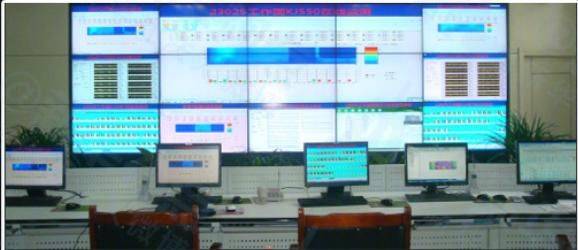
Impact ground pressure monitoring centre
O-barrel complex support
Hydraulic support for the stormproof alley
Surge suits, helmets
Coal mine impact control demonstration basic requirements for mine construction
General
The first is that the model storm-pressure control mine should meet the requirements of regulations and standards for impact-control, such as the coal mines safety protocol, the rules for the prevention and control of coal-mine impacts。
Article ii this requirement shall apply to the construction of model mines and related management practices for national coal mine impact control。
Ii. Management system integrity
(c) the sound management of shocks. Establishment of a system of safe and secure production management, mainly for coal mines, staffed by a full-time deputy chief of fire protection or deputy chief of fire prevention, and of an independent disaster prevention and control unit and a specialized construction team。
No less than 10 persons may be dedicated to the storming of mines, and no less than 6 persons may be subjected to other shocks; of these, no less than 50 per cent may be technical and no less than specialized。
A dedicated team of team leaders and technical staff should be deployed to the ground-pression disaster prevention and control profession to meet the needs of the mine。
Article iv provides for the establishment of a sound regime for the management of surface shock control that is consistent with the actual impact management of mines, periodic impact surface pressure risk assessment and hazard screening, management systems such as risk assessment, programme design and implementation, engineering quality control, hazard screening, and so forth, clear identification of the main responsibilities for the design (improvement), implementation (execution), inspection (acceptance and inspection) and organization (coordination) of impact surface control programmes and rigorous evaluation of implementation. Establishment of a well-established system for managing the protection technology based on chief engineers. Strict implementation of the regime for the management of shock-pressure safety technologies, the integrated shock-pressure risk technology analysis system, the safety-in-inspection protection system, and the receiving and inspection system for hedge engineering, among others; conduct of monthly impact-pressure detection, daily contingency conferences, analysis of shock-pressure hazard warning, management effectiveness tests, timely measures in case of shock-pressure warning signs, and timely analysis of the causes of impact-pressure dynamics and refinement of counter-surge measures。
Establishment of a sound system of implementation of on-site protection measures, dominated by the deputy chief or deputy chief engineer. Strict implementation of hazardous area management, quality control of hedge works, safety protection measures, reasonable organization of labour organization and operational works in accordance with the protection requirements, and implementation of early warning disposal directives。
(e) establish a sound system of training in protection against fire. Under the surge training programme, full-time training, training of professional technicians and managers is carried out, and thematic training of key personnel is conducted on a quarterly basis in conjunction with the surge practical。
Article vi - establishment of incentives for protection against fire. Incentives are given to those who contribute significantly to the prevention and control of shocks; and to those who promote new technologies and new equipment to achieve significant results。
Iii. Extractive deployment optimization
Article vii. Consistent with the principles of “regional lead, local follow-up, zoning management, classification and control” and in accordance with the “one-size-fits-all” requirement of the “one-one-size-fits-all” approach, integrated regional counter-balancing measures are taken to protect the source against shocks from the earth's pressure by addressing key factors such as deep, thick and hard ceilings and geological formations。
The speed of surface propulsion and the production capacity of mines should be determined in accordance with the mine buffer requirements, ensuring that mining patterns and successions are reasonable and that continued tensions in mining are firmly prevented。
Article 8. Regional precautionary measures such as rational development, extraction layout, mining sequences, coal pillar retention, coal mining methods, coal mining processes and mining protection layers。
The design of the mine area, the design of the mining area and the design of the mining work surface should give priority to meeting the requirements of the region's fireproofness, avoiding the concentration of surface stress in the alleys and coal mining and reducing the impact of the tectonic stress. Access roads must not be set in the form of heavy-shocked coal formations, strictly sequenced mining, or isolated island pillars. Priority is given to small, non-coal or subcoal mining。
Protection floors must be exploited where protected layer conditions exist。
The impact-pressure mine should predict and optimize the effects of regional precautionary measures (shock-pressure hazard) designed for the mining (disk) area and for the extraction work surface。
Iv. Fragmentation equipment
Article 9 establishment of a dedicated earth-pressure monitoring and warning unit with an integrated earth-pressure warning platform that integrates monitoring (inspection) data from monitoring systems to achieve smart voice warning。
The monitoring and prevention equipment should be adapted to the shock risk level. Areas at risk of no and weak impact are primarily equipped with monitoring equipment based on microshock monitoring, stress monitoring and drilling debris monitoring. In addition to being fully equipped with monitoring equipment, intermediate and higher impact hazard areas should be equipped with decompression and decomposition equipment。
Article x. Low-frequency micro-seismic monitoring systems with micro-seismic monitoring systems for high-energy low-frequency events above 1 hz. Micro-seismic monitoring systems must cover all mining areas and adjacent areas。
Article 11: an earth-sound monitoring system is in place to monitor areas affected by the mining of working surface-pressures in coal alleys at risk of impact, and to monitor information on the break-up of the surrounding rock, mainly the sound events of 30-2000 hz。
Article 12 emphasis is placed on monitoring the arteries in the 300m range in front of the recovery work, and in the 200m range in the back of the digging。
Article 13, on the mining side where there is a risk of impact pressure, should be detected by means of ct detection and impact pressure risk analysis for key areas or important periods, such as coal mining。
Article 14 - provision of a resistance monitoring system for work on surface hydraulic stubs for coal mining, online monitoring of resistance to work on surface stubs, real-time on-line monitoring of top-bed off-stub monitoring of coal and semi-coal rock alleys for anchor spraying。
Article 15: acquire a sufficient number of dredging detection machines to detect the impact areas of the extraction pressure of the substrates used for coal mining, the front of the digging of the alleys and the impact areas of the rear kinetic pressure。
Article 16 a sufficient number of de-pressure drills, including at least one rectangular rig not less than 800 n. M。
At least one preventive de-pressure drill is provided for each of the sub-continents of the highly hazardous coal mining process, and at least one preventive de-pressure drill is provided for each full coal, semi-coal rock extraction。
A minimum of one rig capable of performing long-range operation of the porosity decompression work of the coal layer。
(c) article 17, which is required by disaster management measures, is equipped with hydro-fissile or blast equipment to be used for break-up, break-down and blast-proof construction。
A precision personnel locator system is in place to monitor strictly the number of people operating in the impact hazard area。
Video surveillance should be installed at sites where work surfaced for excavation and coal mining in areas at risk of medium or higher impacts are exported from or beyond the front lanes, and where the drilling of coalbeds is endangered。
At least one scientific research institute, higher education institute, etc., has jointly carried out a scientific and technical response to the impact, focusing on the mechanisms, type and characteristics of the shock pressure, targeted protection measures, etc. Actively promoting the use of state-of-the-art monitoring techniques, early warning of impact risks and disaster preparedness。
V. Monitoring early warning effectiveness
Article 19 establish an early warning system (platform) for full-time, full-band, full-area, full-element impact monitoring of ground pressure, which shows and controls that the terminal should be located in the mine control room, or in the impact control room, which has direct access to, and is capable of powerfully plugging, the dispatch cell telephone。
On a daily basis, the monitoring data, production conditions, etc., are subject to a comprehensive impact-pressure risk analysis, determination of the impact-pressure hazard level, and the preparation of a daily monitoring alert, signed and approved by the deputy chief or deputy chief of coal mines, chief engineer and chief of mines, and informed in a timely manner the relevant units (sectors) and personnel。
Sensors for monitoring systems such as micro-seismic, geosound, stress online should be placed according to a network of monitoring stations designed by the mines, with specialized personnel performing installation work。
Responsive ct detection, which should be organized in-situ under the detection programme under the direction of the surgery section。
Article 20 identifies hazard warning indicators based on data and actual conditions for monitoring impact-pressure hazards and tracks them in a timely manner to improve the accuracy of early warning。
Clear early warning information dissemination, disposal procedures and feedback processes on disposal results. Officers on duty should keep detailed records of early warning times, the extent of early warning, measures taken and disposals, and form summary reports。
Article 21 carries out at least once a year a comprehensive assessment of the operational use of the microshock monitoring system and adjusts the monitoring programme in a timely manner in response to changes in the mining layout of the mine。
(c) periodic inspection, maintenance and calibration of impact surface risk monitoring equipment to ensure proper operation and accuracy of impact surface risk monitoring systems。
Article 22 - sound protection information, desk accounts, proper maintenance of all types of monitoring information, statements, timely filling in of maps of protection works, monitoring equipment and effective guidance on safe production。
System (platform) data must be stored and searchable, backed up on a regular basis for a period of not less than two years。
Vi. Reliable local measures
Article 23: the mining landscape should be based on the implementation of regional precautionary measures and should be followed up in a timely manner with effective local protection measures such as the discharge of coal layers and the break of roofs and floors. Effective measures and works should be developed and implemented to address the impact hazard areas where hard ceilings and geological formations are the main contributing factors。
Article 24: an impact test must be carried out following the implementation of measures to relieve hazardous work surfaces. The blast effects test may be used in the form of dredging, stress monitoring or microshock monitoring, which may not be less than two methods, the scope and frequency of which are approved by the chief coal mine engineer. It was confirmed that the test results were less than the threshold and that mining operations could only be carried out after a determination that they were not hazardous。
Article 25: integrated technological measures to combat complex disasters such as shock pressure, unusual gas surges, coal and gas accentuation, self-fired and self-fired coal layers, and hydrogeological types of mines, in accordance with the conditions of the mine, should be considered in a comprehensive manner。
Vii. Construction operations security
Article 26 states that the impacting of the coal layer should be based on the use of long-wall integrated mechanized intelligence to provide long-range electricity and fluids to achieve a minimum number of people in the extractive areas, and that long-range manipulation should be used for the construction of dangerous drilling holes in coal alleys in areas at risk of impact。
Article 27, which is hazardous for the mining of coal, the length of the over-front support of an alley shall be determined according to the extent of the impact of the over-front pressure of the coal mining operation and shall meet the requirements for approval by the chief engineer of the coal mining enterprise。
Coal mining surfaces with a moderate or higher impact risk should be used for upper- and lower-exit and road-side ultra-frontier support。
Article 28: the protective design parameters of a tunnel that is dangerous to crush the earth shall be selected for a security factor above average。
Artificial support methods such as high pre-resilient and long anchors, pressure anchors, high-strength shielding steel belts, high-strength nets, large diameter trays, which are highly resistant to deformation and surface protection, should be used in combination with enhanced support methods such as scalable u-type steel sheds, hydraulic unit stubs or door stubs that remain safe space after the impact. The modalities and scope of care should be approved by the chief engineer of the coal mine company。
Article 29: strict implementation of the regime for the limitation of persons in hazard zones by impact, with intelligent management such as closed management, super-alerts, automatic cessation of operation equipment, etc。
Article 30 establish a system of notification of production organizations, designed monthly by the surgery unit on the basis of the extractive work surface, and based on the results of the study, taking into account the conditions of production on the ground and the impact pressure hazard monitoring, to set the maximum daily and class scale for surface drilling and coal mining. In the event of a change in conditions or an anomaly in monitoring indicators, a production organization circular is issued in a timely manner, the production organization is adjusted and submitted to the main coal mine manager for approval。
Article 31 when monitoring data are found to exceed the shock-pressure hazard warning threshold, personnel not associated with the operation should be evacuated to perform de-pressure operations; in the event of an impact-pressure hazard, personnel in the threatened area should be immediately evacuated and power cut off to implement the preparedness plan。