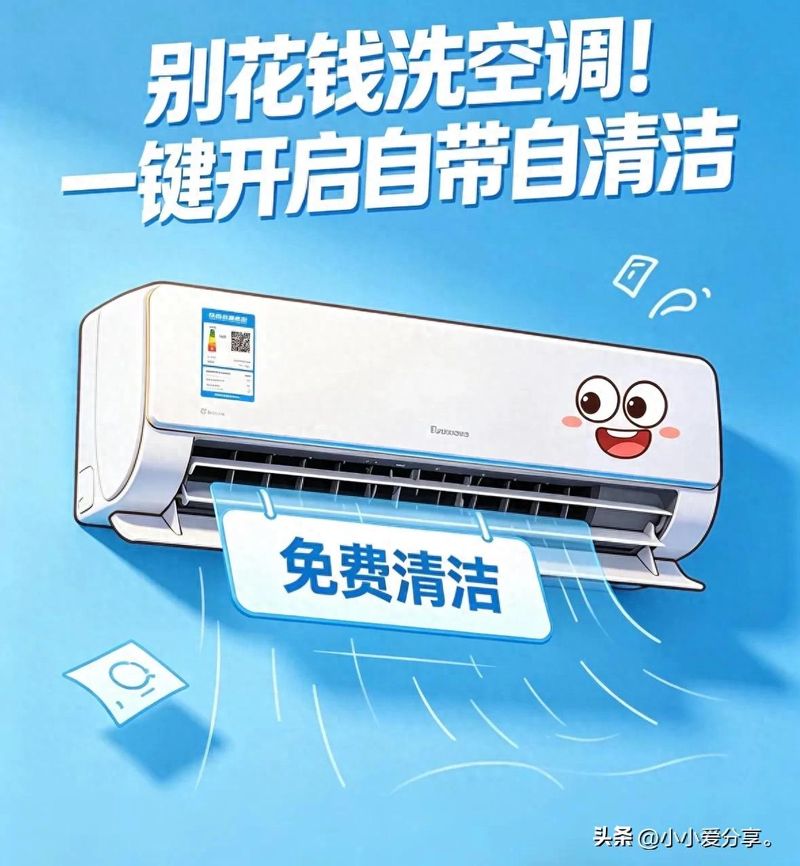
As the temperature rises, air conditioning becomes a “decreasing device” for families and offices in jinan. However, after long-term use, air conditioners inevitably suffer from a variety of minor malfunctions — cooling changes, non-starting and leaking water during operation — which not only affect the experience of use, but may also cause secondary damage to the equipment and even safety hazards as a result of inappropriate handling。
Many of the citizens of jinan face air conditioner failure either blindly seek maintenance from the “guerrillas”, which is priced and filled, or do so themselves, which makes them worse. Today, i have prepared for you a self-checking method for frequent air conditioners malfunctions, sharing the core points of professional maintenance, helping you to solve air conditioning problems efficiently and keeping the summer clear。
First, air conditioners are common 4 major malfunctions, so you can check yourself at home
In fact, many air-conditioning problems do not require immediate access to maintenance staff, so that a simple check can find out why and save money. The following four high-frequency malfunctions suggest that friends check their own and decide whether to report them
1. Air conditioners are not activated, power is checked before control
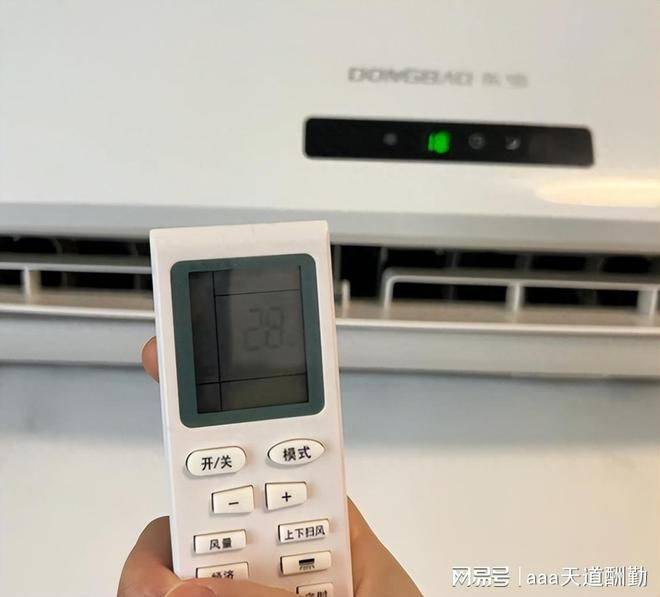
If the air conditioner cannot be activated at all, do not urgently determine that it is “bad” and give priority to the following points: (1) check the electrical availability of the dedicated air conditioner plugin, which can be tested with a pencil test, and see if the air switch from the distribution box to the air conditioning circuit is a jump, which can be followed by the break-off of the power source and repositioning;2 remove the air conditioner plug and re-introduce it for 30 seconds to remove adverse exposure;3 check the remote control, remove the positive and negative contact point of the battery wipe, replace the fully alkaline battery, and test the response of the key;4 open the outer shell of the indoor engine, find the manual switch once and remove the remote control failure。
2. Poor cooling/heat preparation, clean + ventilation is key
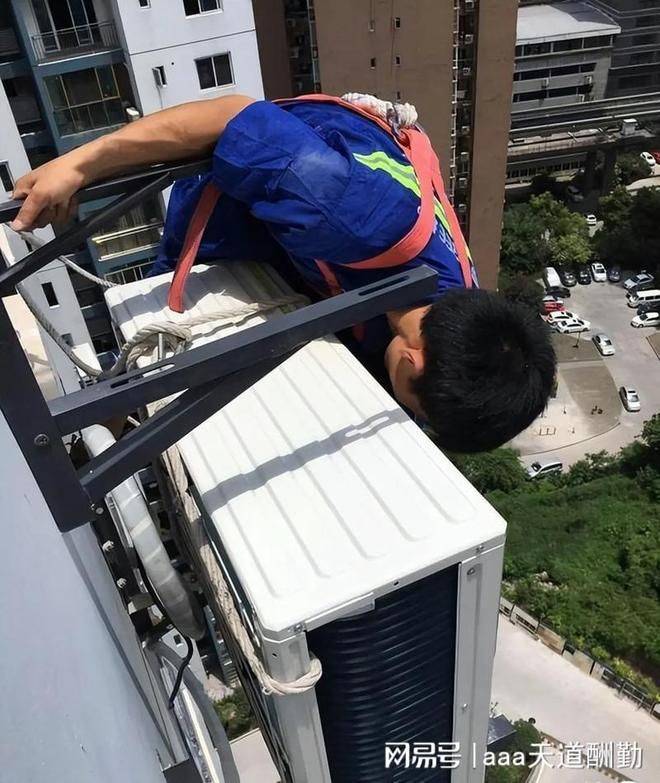
Air conditioning is not cold, hot, mostly due to reduced heat exchange efficiency: 1 power is shut down, indoor filters are removed and dryed back with a cool dry cleaning (cooled tan or high-temperature drying), which is the most common `coercion'; 2 screening of outdoors to ensure that there is no groceries, vines or vines within 1 metre, with a distance of not less than 30 centimetres up or down between the right and the right ventilator, and that heat is not blocked;3 if indoor temperatures are set reasonably but are still not working well, they may be insufficient for cooling and need to be supplemented by professional testing。
3. Leakage during operation, mostly in drainage or installation
Air-conditioning leaks not only wet the surface of the wall, but may also breed bacteria, with a focus on the drainage system: 1. Find the drainage hoses of the indoors, routing them through the external mouth with a thin wire, and pumping them over and over again until the water flow is smooth (do not blow through high-pressure pumps to avoid damage to the tube wall);2 test the level of the indoors horizontally and, if one side is low, finely adjust the bolts of the wall to ensure that the condensed water can flow smoothly into the drain;3 during the rainy season or when the air humidity is greater than 80 per cent, the “except wet” mode can be activated to reduce the production of cold condens。
4. Constant sound, source-specified reprocessing
The acoustic sound of air conditioners may be judged on the basis of the type of sound: (a) there is no acoustic sound on the start-up, possibly the oxidation of outdoor relays; (b) there is a continuous “bulling” low frequency, presumably with the ageing of the compressor's concussion pad, leading to resonance; (c) there is a “hessing” air flow, which may be the exterior fan's blade carded miscellaneous; and (c) there is a “cracking” sound under the wind delivery mode, which may be the loss of the interior flow fan axe bearings, which requires specialized repair and replacement components。
Ii. Carnation alerts: daily maintenance of air conditioners saves maintenance costs
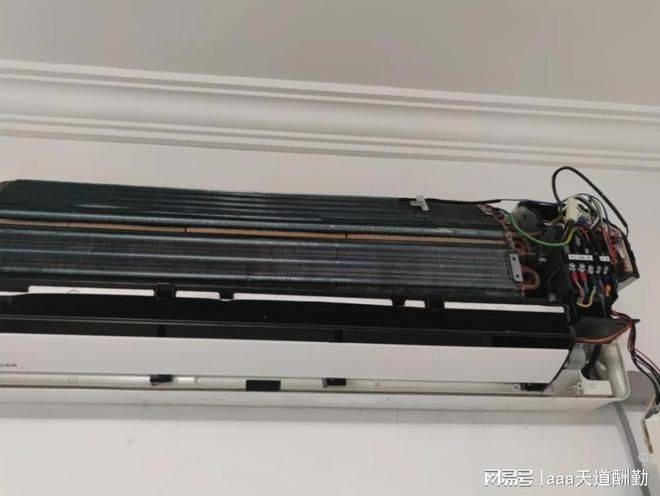
In fact, many air-conditioning malfunctions can be avoided by daily maintenance: 1 filter cleaning every 2 weeks and 1 deep cleaning per year, which increases both the heating effect and the useful life of air-conditioning; 2 avoids frequent turn-off of air-conditioning and lowers compressor losses by having more than 5 minutes off; 3 outdoors regularly clean up dust, oil and keep ventilation; and 4 opens 15-20 minutes per month for long periods of non-use to prevent the ageing of components in cardon。