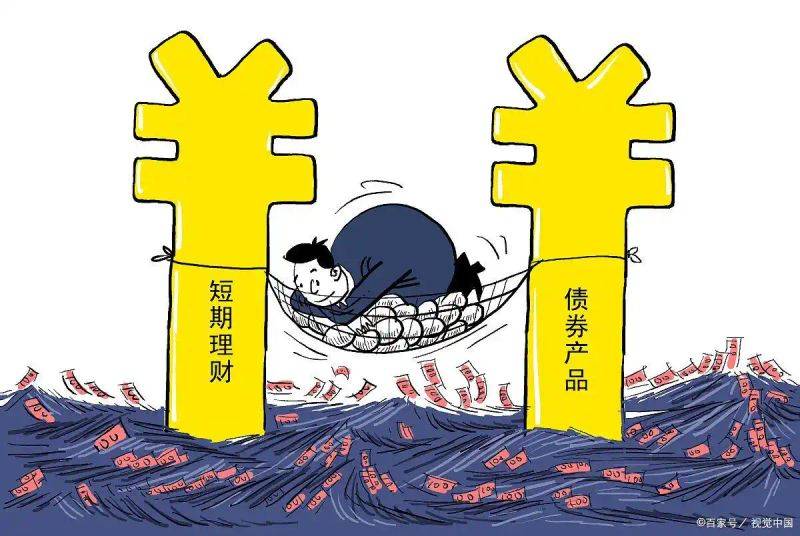
The subprime mortgage crisis was a hotspot in the field of economics that had engulfed the globe and caused economic collapse in many countries. In economics, sub-prime crises refer to financial crises triggered by sub-prime mortgages, which are usually distributed to borrowers with poor credit records。

Over the past few decades, such subprime mortgages have been distributed on a large scale by borrowers and financial institutions. These loans usually have high interest rates and unfavourable terms to compensate for borrowers ' credit failures. Despite their higher risks, these loans have become a way for low-credit borrowers to realize their dream of buying a house。
However, such sub-prime mortgages hide enormous risks. First, interest rates on sub-prime mortgages tend to be high, making the repayment burden heavy on borrowers. Second, sub-prime mortgages usually have high collateral requirements, making borrowers more vulnerable to non-performing loans. Finally, these mortgages are more likely to become sources of overdue and default owing to the borrower's poor credit history。
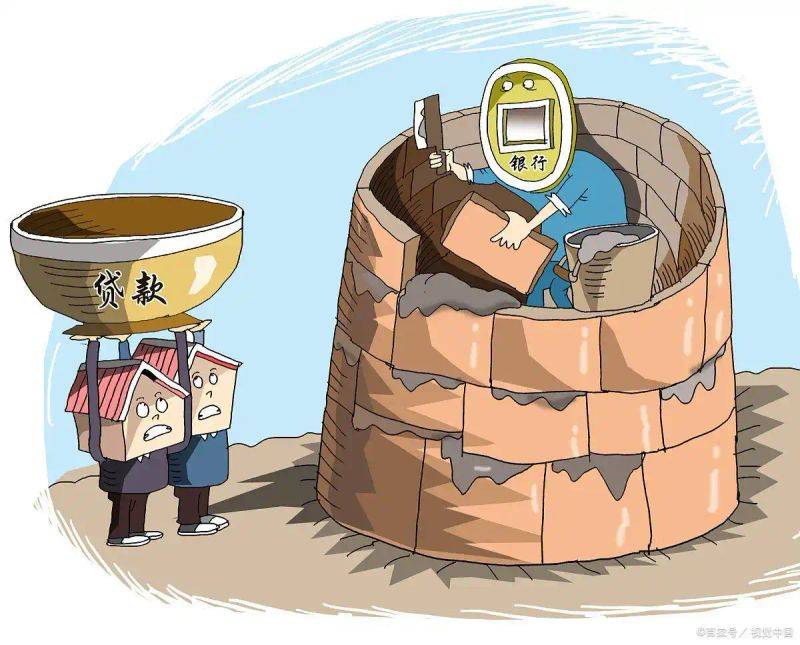
When a large number of sub-prime mortgage defaults and delays occur, financial markets begin to become volatile. The value of the assets of many financial institutions has collapsed and banks have begun to suffer huge losses. Because of the interconnectedness and cross-ownership of many financial institutions, the crisis has spread rapidly and has evolved into a global financial crisis. Many companies have collapsed, unemployment has skyrocketed, stock markets have collapsed, real estate markets have collapsed and the global economy has entered a serious recession。
The onset of the subprime crisis revealed some deep-seated problems in financial markets. First, financial institutions have too relaxed risk assessments of borrowers and lack sufficient awareness of the potential risks of subprime mortgages. Second, the leveraging of sub-prime mortgages had led to a chain of debt between financial institutions, and the entire financial system would be hit once one of them was in trouble. Finally, inadequate regulatory systems are one of the reasons for the subprime crisis。
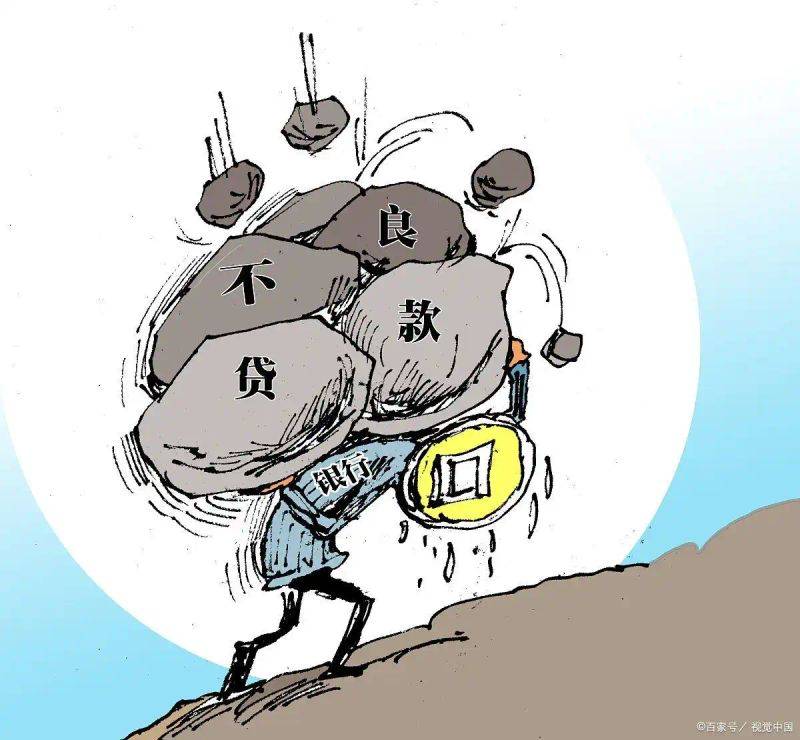
Despite the serious consequences of the subprime crisis for the global economy, it has also led many countries to strengthen financial regulation. Governments have adopted legislation and reforms to regulate the operation of financial institutions and have strengthened the regulation of high-risk assets such as sub-prime mortgages. In addition, stress testing and risk assessment of financial institutions have been strengthened to prevent the recurrence of similar crises。
The subprime crisis is a reminder that risk and bad behaviour in financial markets can have a serious impact on the entire economic system. The recurrence of similar crises can be avoided only through strengthened regulation and risk management. At the same time, we need to recognize that the pursuit of windfall gains and the neglect of risks are bound to lead to tragic consequences. The stability and sustainable development of financial markets can be ensured only through sustained compliance and ethical behaviour。