Chapter 3 common trouble analysis and maintenance methods for lcd monitors 3. 1. Common failure analysis of lcd monitors 3. 1
Common malfunctions in the lcd monitor include failure to turn on the device, a flashlight and an immediate dark screen, a screen malfunction, a white screen malfunction, a black screen malfunction, etc。
1. Failures to turn on
The failure of the lcd to turn on the power means that the lcd is connected to the power, and there is no reaction after pressing the power switch and the power signal is not on。
It's a blackout
Turns on the screen, the failure of the screen immediately refers to the automatic screen of the liquid crystal screen after the opening of 1~2s, but the power signal is still on. So-called dark screens are liquid crystal screens that display images, but dark images. In some cases, dark images of this failure are not visible, but in some cases the failure of the screen is visual。
3. The failure of the screen
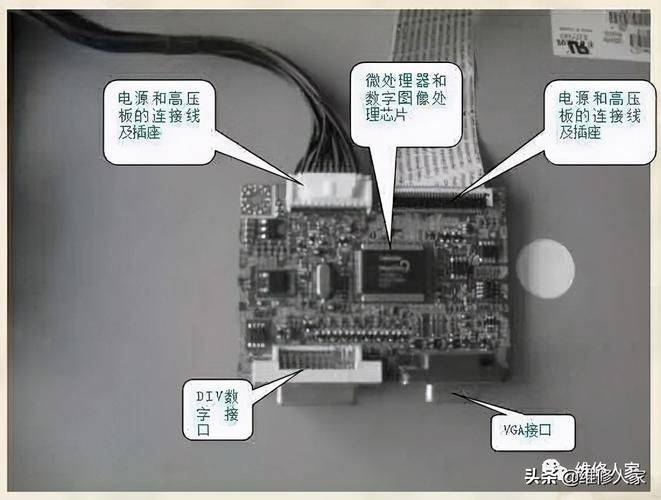
The failure of the liquid crystal monitor refers to the normal brightness of the monitor, but there is something on the screen that is not fully displayed and that is messy。
4. White screen failure
The white screen failure of the lcd display is the normal brightness of the monitor, but the screen is full of white-screened light-screens and there is no sign of any image display。
5. Black screen failure
The failure of the liquid crystal monitor in the black screen refers to the light on the monitor's power source, but there is no reaction on the screen, i. E. No map or light. This failure has to be distinguished from the screen。
3. 1. 2 analysis of the causes of failure of the lcd monitor 1
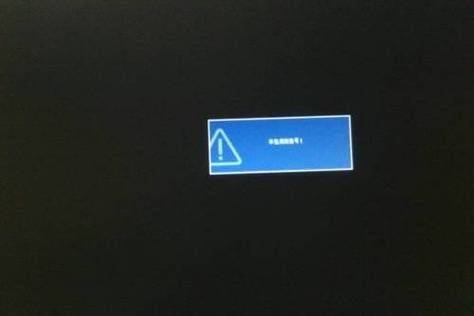
The failure range of the lcd failure is mainly related to power circuits and drive-board circuits. The power circuit is an electrical system for the entire lcd circuit, which, in case of failure, renders other circuits inoperable, thereby causing the lcd to fail. The drive panel circuits are mainly designed to process and control signals from external hosts and then send them to the lcd panel to display images; in addition, high voltage panel circuits are activated through panel buttons. The failure of the drive plate circuit can also cause failure to turn on。
In most lcd circuits, power circuits tend to output two sets of voltage +12v, +5v. +12v voltage is powered by high voltage plate circuits with a high voltage plate circuit with a 40~80khz output frequency of 600~800v high voltage exchange point backlighting. If the power circuit does not have +12v output, the high voltage panel circuit does not have high pressure output, backlight tubes cannot be lighted, and liquid crystal screens are not lighted. +5v power provides working voltage for the drive plate, and if the power circuit does not have +5v output, this will inevitably result in the drive plate circuit not working, the image signal not being processed and controlled, and the high voltage panel circuit not working properly because there is no starter signal, resulting in the liquid crystal screen being charted and lightless, so the liquid crystal monitor cannot be turned on。
The drive panel circuit is the control centre for the entire lcd circuit, and failure of the drive plate circuit results in a failure of the lcd screen without map or light, preventing the lcd monitor from turning on. The failure of the drive plate was caused by damage to the drive plate +5v steady voltage circuit element, which resulted in the failure of the +5v voltage to add up to microprocess chips and master chips; damage to the drive plate microprocessor chip itself or loss of internal programs, which caused the drive plate to become inoperable; failure to operate the microprocessor clock-lock signal output of the drive plate microprocessor chip; and failure of the main control chip and poor connection to the data link, which resulted in the failure of the lcd to turn on。
2. Turn it on. There's an analysis of the reasons for the failure of the screen
The lcd monitor was activated and the failure of the screen immediately occurred mainly due to the poor performance of the +12v power circuit, the backlight tube itself and the high voltage panel circuit. In view of the failure phenomenon, the lcd screen was activated in an instant, but the screen subsequently appeared, except that the backlight tube was lighted and the light disappeared. The lcd green light is always on, indicating that the image-processing circuit is working (the drive panel circuit is working properly) and that the malfunction occurs in light channels. While some monitors can see dark images in a dark screen state, others are not visible and this is distinguished from the black screen。
+12v voltage is generated by energy conversion and filtering of power circuits. It provides working voltage for high voltage panel circuits. If the +12v voltage output is abnormal, it causes a failure of the liquid crystal screen to become dark. In general, the lcd display has a failure of the dark screen, and the +5v voltage output of the switch power circuit is normal, indicating that the energy conversion portion of the switch power circuit is normal, resulting in the abnormality of the switch power source +12v output voltage diode performance, +12v filter capacity leaks, etc。
The lcd backlight tube is activated at a frequency of 40 ~80 khz, 600 ~ 800 v high voltage exchange light output, and if the backlight tube itself is not functioning well, it can also cause a failure to display the flash screen. In order to determine whether the backlight tube is not functioning, a new backlight pipe may be replaced by a new backlight tube to observe whether the backlight tube will be lighted on a continuous basis, indicating that the failure occurred in the backlight tube itself if it could be lighted on a continuous basis; if the failure continues, this means that the failure occurred on the +12v power circuit or on the high voltage panel circuit。
The main output frequency of the high voltage plate circuits is 40 ~80 khz and 600 ~ 800 v high voltage exchange points light backlights. When high-voltage circuits are unstable, they create a malfunction that immediately turns into a screen. In fact, the working method of the high voltage circuit is essentially the same as that of the switch on the power circuit, which is a conversion of electrical power, and which controls the switch through the pwm control chip, which allows the secondary output of the high voltage transformer (commonly known as the high voltage package) to light the backlight tube of the high voltage exchange. The instability of high-voltage circuits is caused by the poor performance of pwm control chips, poor performance of internal circuit switches, poor heat stability of high-frequency transformers, local short circuits or open circuits in the inner circle。
3. Analysis of the cause of the failure of the screen
The backlight of the lcd display is normal when there is a flower screen failure, except that lcd produces horizontal stripes with coloured vertical stripes; lcd displays may show ambiguity. The failure of the +5v voltage output, the malfunctioning of the drive plate circuits, the poor input and screen output interface of the signal line, the failure of the lcd circuit board and the damage to the lcd screen itself were the main causes of the failure。
+5v power provides working voltage for the drive-board circuit, and when the +5v voltage output is abnormal, the drive-board circuit work causes an abnormal failure of the flowerscreen. +5v electrical output abnormally tends to be due to the poor performance of the +5v filter capacitor or current diodes, in addition to the abnormality of +5v working voltage when the +5v pressurer is not functioning properly on the drive plate; when the drive plate is used to perform image signal processing control and restore images on the lcd screen, the failure of the screen when the image handles the chip performance is poor; when the lcd vga signal interface and screen output interface is poor, the failure of the signal to properly transmit results in the failure of the lcd; and when the lcd drive circuit fails or the lcd itself is damaged, the failure of the flowerscreen is caused by a failure of the flower screen. These failures were caused by irregular power supply from circuit boards, welding or electromagnetic interference with circuit plates。
4. Analysis of causes of failure with white screens
The essence of the white screen is that the backlight is normal, but the lcd screen does not receive correctly the image signals from the drive, and the lcd screen is full of white screens, without any indication of the image. The failure of the lcd monitor was due to the irregular operation of the drive-board image-processing circuit, the failure of the screen or the security opening of the screen to supply electricity at the screen interface, as well as to the irregularity of the lcd-driven circuit。