Hebei university- whatJournalismProfessional introductionStudies and degrees
School system: four years
Degree awarded: bachelor's degree in literature
Aiming
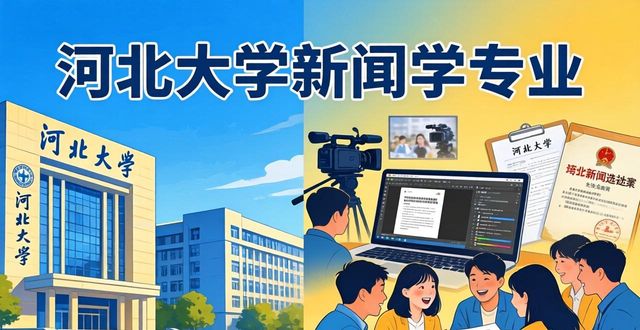
The profession provides the media with systematic theoretical knowledge and skills in journalism, good human and scientific literacy, familiarity with the country's news, laws and regulations, innovation and practical skills; develops information skills in journalism, editing and public relations for social institutions (e. G., business enterprises, social groups); trains the government with information skills that are capable of both public information and international communication and crisis public relations; and develops the new media with a composite capacity in information dissemination, content production, network editing and management capacity。
Training requirements
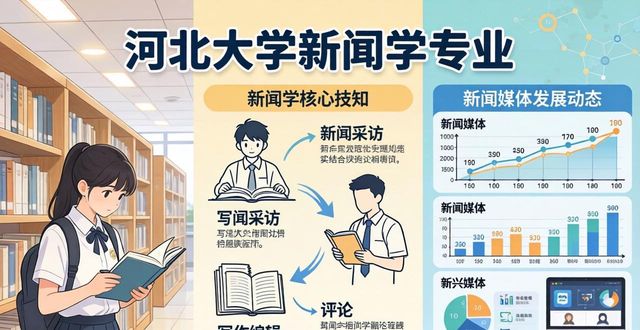
Graduates should acquire the following knowledge and skills: familiarity with the country's public information guidelines, policies and regulations on the media, including radio and television, newspapers and websites, and with the latest developments in the news and media industry; theoretical knowledge of journalism, editorials and communications, which can be applied to professional skills such as news interviews and writing, news editors and news reviews; and proficiency in basic professional skills such as news interviews, news writing, news editors and news reviews, which can be adapted to the different requirements of the press, radio and television and the new media。
Main courses
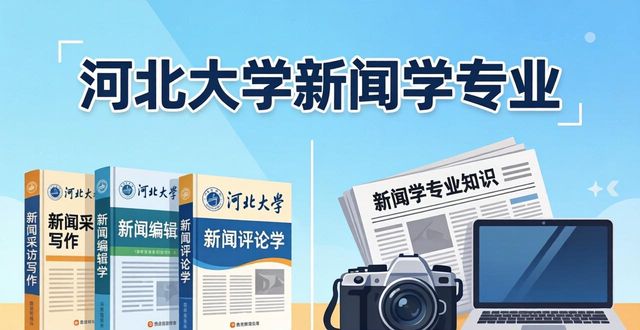
Journalistic writing, journalism editorials, journalism commentary, news photography, chinese history of journalism, online journalism generals, media management, foreign journalism history, media planning, etc。
Professional characteristics
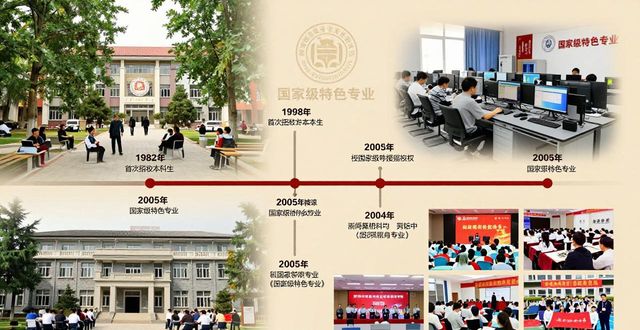
The journalism profession was founded in 1981 and first undergraduate students in 1982. In 1998, he was awarded a master's degree in the second level of journalism; in 2006, he was awarded a master's degree in the first level of journalism; in 2007, he was accredited as the first national specialty and became one of only 20 of the country's more than 800 professional training centres in journalism and communications; in 2010, he received the first national master's degree in journalism and communications; in the same year, the centre for media and social development, established on the basis of the journalism profession, became one of the six philosophical social science bases in hebei province; in 2011, he was awarded a doctorate in the first level of journalism; in 2012, hebei province and at the national level received a pilot project for a comprehensive reform of the undergraduate teaching and engineering profession; in 2013, hebei province received a major in journalism. In 2015, the chinese centre for scientific and educational research, the chinese network for scientific and educational evaluation, and the china centre for quality education evaluation published the “classification of the competitiveness of universities in the field of information and communication”, which ranks 11th out of 220 institutions in the country. Declare in 2016 the creation of a media-wide digital experiment to explore practical models for the development of prominent journalism. In january 2015, the central american institute of media at hebei university was officially created to provide a platform for the training of journalism teachers and for the development of students; in 2017, our academy formally signed a double-degree cooperation project in journalism with the institute of journalism of the university of missouri (the “2+2” project), which further boosts the international development of journalism。
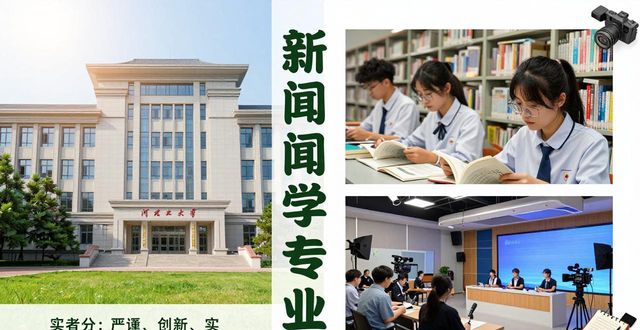
Upon graduation, students can work in the major media and websites, enterprises, teaching, research, editing, commentary and management. The employment rate is 93 per cent。
![新闻资讯APP排行,手机新闻APP排行榜前十名,手机看新闻哪个软件好[2026]](https://www.3z0.cn/file/upload/202608/26/1787681122214_lit.jpg)