The steady operation of the pyrotechnic gas vapour boilers, which are common heat equipment in many industrial productions, is important for ensuring production. Regular maintenance work is essential to ensure the safe and efficient operation of boilers. The following will be described for the information of the personnel concerned in terms of routine inspections, regular maintenance and the handling of common problems in the fuel boilers for fire pipes。

Beijing weiboda boiler equipment
The winner
Open 100 degrees app
Scanning now
Free advice
I. Conclusion of days
Day-to-day inspections are the basis for boiler protection and, through daily observation and simple operations, detect potential problems in a timely manner. Inspections should be conducted before the boiler is operational, before it is in operation and after it is down。
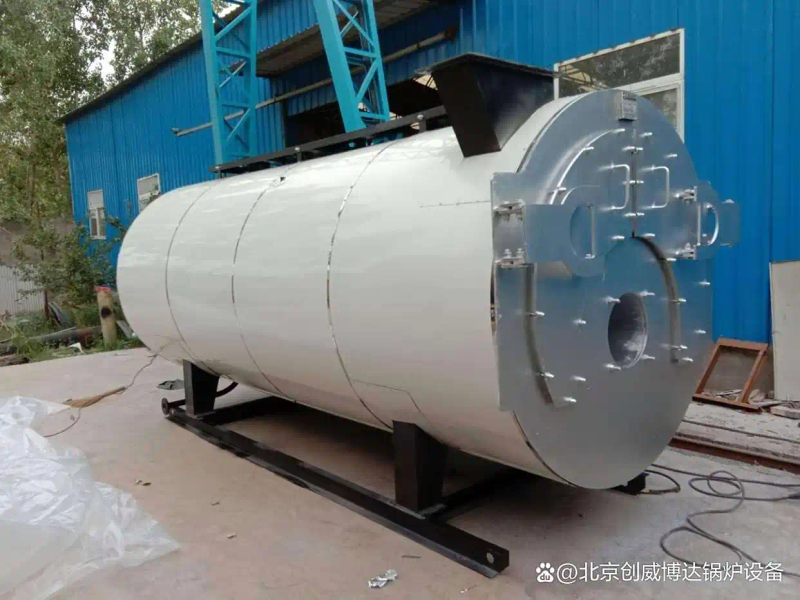
Pre-run inspections. Check whether the boiler water level is in normal range and whether the water table is clearly visible. Confirms whether the pressure gauge is in zero and whether the safety valves are carded. Check for leaks in fuel supply pipelines and flexibility in valve switches. Appearance check of the burner to confirm that there is no ash or miscellaneous congestion。
2. Operational inspection. Watching boiler combustion, the flames should stabilize in light yellow, without scintillation or black smoke. Note whether pressure table indications are within the rated range and whether water level fluctuations are normal. Listen to the boiler running with an abnormal vibration or noise. Check for leakages at various points of connection, including steam, fuel and pyrotechnic systems。
3. Post-cut inspections. Close the fuel supply valve and check whether there are residual pressures on the boiler body and the pipes. Observe the presence of ash or focals inside the chamber and clean up as necessary. Check the normal cessation of assistive equipment such as pumps and pumps。
Regular maintenance project
In addition to routine inspections, boilers are required to perform regular maintenance to ensure that the components are in good condition. Regular maintenance may be divided into weekly, monthly and annual maintenance depending on the frequency of use。
1. Weekly maintenance content. Clean water table glass tubes to ensure clear water level indications. Manual emission testing of safety valves to confirm their flexibility of movement. Pump bearings are checked for lubrication and, if necessary, lubricated. Clean the burner nozzles to prevent congestion。
2. Monthly maintenance content. Checking the water in the boiler and, if necessary, chemical cleaning. Cleaning of the exterior wall of the pipe and increasing heat transfer efficiency. Validation of pressure gauges and safety valves to ensure compliance with safety requirements. Check whether the electrical control system is secure and the components are ageing。
3. Yearly maintenance content. The boiler is subject to excellent examination, including pressured components such as boilers, stoves, urchins, pips, etc. Water pressure tests to check for leakage or deformation. Clean fuel filters and replace damaged cores. Check if the insulation is intact and if necessary repair or replacement。
Iii. Addressing common issues
Common problems may arise during the use of boilers and operators should have basic handling methods。
1. Water levels are abnormal. When the water level is too low, the burning should stop immediately and the system should be checked for normality. When water levels are too high, appropriate discharges should be made to normal water levels. Regular verification of the water level controller to ensure its accuracy。
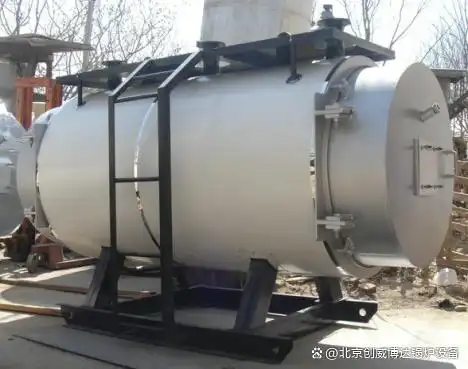
Pressure abnormal. When pressure is excessive, check whether the safety valve is properly activated and, if necessary, manually vent. When the pressure is too low, check if the combustion system is normal and the fuel supply is adequate。
3. Incendiary abnormalities. When the combustion is unstable, check if the fuel pressure is normal and if the nozzle is blocked. When a return fire was detected, the furnace immediately stopped to check if the pipe was open。
4. Leak treatment. When a steam or fuel leak is detected, the furnace should be stopped and repaired immediately. The replacement of damaged gaskets or valves is strictly prohibited。
Iv. Security concerns
Boiler operation and maintenance diversity strictly adhere to safety protocols to prevent accidents。
1. The diversity of operators is professionally trained in equipment performance and operating protocols。
2. The before-maintenance diversification cut off the power and fuel supply with warning signs。
3. When entering the internal operation of the boiler, the internal temperature shall be determined to be cool and good ventilation maintained。
When using chemical washing agents, protective gear should be worn to avoid direct contact with skin。
5. The diversity of safety attachments, such as pressure sheets and safety valves, is regularly verified to ensure sensitivity and reliability。
V. Management and replacement of spare parts
Reasonable spare parts management could reduce maintenance time and increase the availability of equipment。
1. Establish lists of spare parts, including models, specifications and quantities of commonly used spare parts。
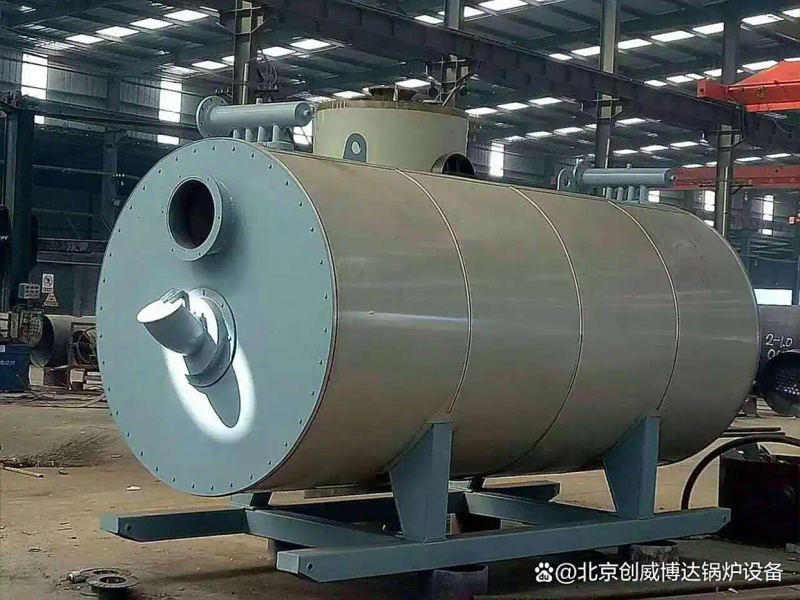
2. Periodic inspection of spare parts stocks and timely replenishment of consumables。
3. The replacement of spare parts requires the selection of qualified products to ensure consistency with original performance。
4. Record the timing and reasons for replacement of spare parts to facilitate analysis of the condition of equipment。
Vi. Energy efficiency management
More efficient boiler operation reduces fuel consumption and lowers operating costs。
1. Periodically check the integrity of the insulation to reduce the heat loss。
2. Adjust the burner parameters to allow for sufficient combustion of fuel。
3. Rational control of discharges and reduction of heat waste。
4. Record daily fuel consumption and detect anomalies in a timely manner。
The maintenance of the boiler is a system exercise that requires careful implementation of protocols by operators. Through regular routine inspections, regular maintenance and timely maintenance, equipment can be effectively extended to ensure safe and stable operation. In practice, detailed maintenance plans should be developed on a case-by-case basis and records filed. In the case of complex problems in the maintenance process, specialized technical support should be sought and not blindly operated。