In recent days, with the full impetus of the general party of the shantang community party in the long sleep street, and with the successful completion of the project for the repair of the break-up of the two household sewage mains in unit 2 of building 5 of the boundary district. This is the first time that the community has successfully coordinated the use of the housing maintenance fund in the unincorporated subdivisions to address “maintenance difficulties” of public facilities and has provided a useful basis for follow-up。
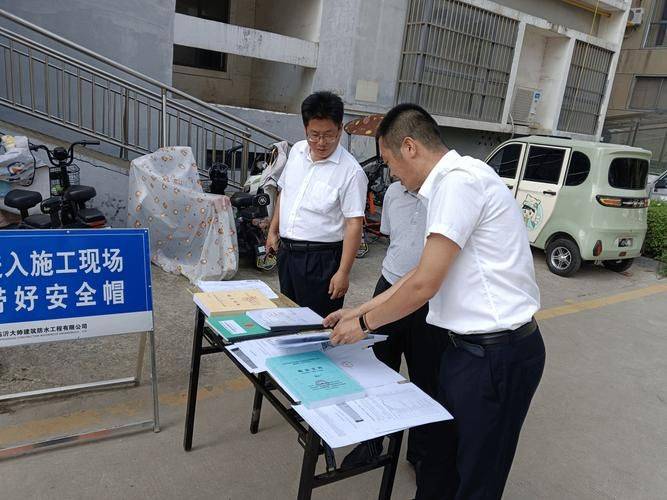
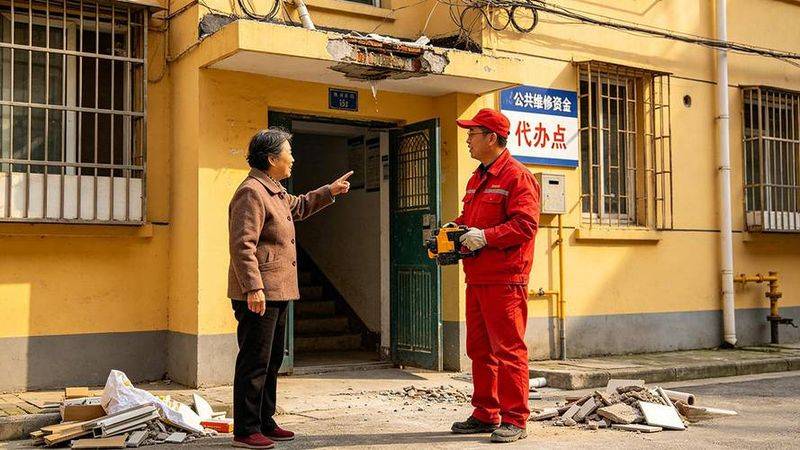
In the old and unincorporated sub-districts, the recent sudden breakdown of a household toilet sewage main, which resulted in an outpouring of sewage, seriously affecting the daily lives of the population, and urgent repairs. However, the subdistricts were free of property, owners were not familiar with the maintenance fund application process, and it was difficult to harmonize their opinions, and maintenance was at an impasse. Upon being informed of the situation, the general department of the community party moved quickly, first time to the site, to verify the condition of the housing maintenance fund in the unit, and to ascertain that the maintenance project was in line with the scope of the fund's use; to visit six households on a house-by-house basis to collect claims, explain policies, interpret in detail the terms of the application, cost-sharing, construction process, oversight mechanisms, etc., and to answer questions on a case-by-case basis as to where the money came from, how it was used, who supervised it, etc。
In order to expedite the resolution of the problem, the community party general directorate, in strict compliance with the rules governing the use of the maintenance fund, leads the organization's owners in developing maintenance programmes and budget statements, clarifying and publicizing key information on the content of the construction work, the time of completion of the work and the manner in which the construction unit was selected, organizing the vote of the owner on the basis of democratic consultations, assisting the owner in completing the filing of applications, the positioning of the construction unit, etc., and ensuring transparency throughout the process and the satisfaction of the owner。
At present, the maintenance project has been successfully completed at a cost of $1,300, which is shared by six homeowners on the basis of building space, and is financed from the housing maintenance fund, which has effectively reduced the financial burden on the owner。
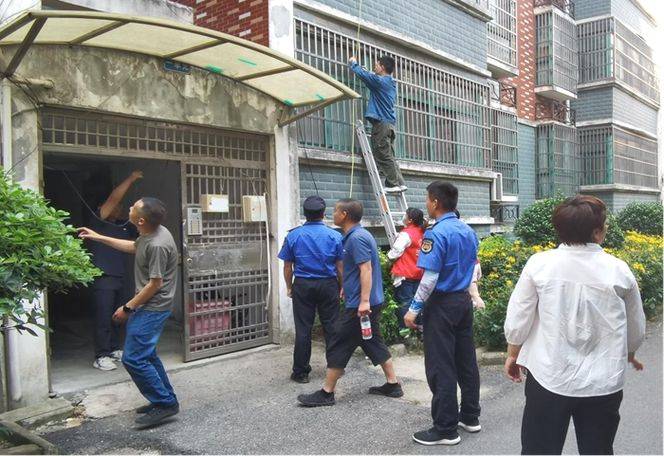
From the point of view of the problem to a definitive solution, the maintenance project took only half a month to quickly address the concerns of the inhabitants of the sub-districts and to explore new models for the maintenance of public facilities in the “community-led, owner-led, regulated, democratic” sub-districts. As a next step, the community will learn from the experience of establishing a fund for the maintenance of houses in unincorporated subdivisions, using long-lasting mechanisms to address the “maintenance difficulties” of public facilities for more old and old subdivisions, which will continue to enhance the sense of access, well-being and security of the population. (thony)