China cotton net news: since last week, the price of the new cotton base differential has been high, with the “twice 29” cotton base spread concentrated in the areas of quitum, jie ha and shi ha, at us$ 1000-1150/t. Despite a slight downward adjustment from late september to early october, it is still significantly higher than the warehouse receipt base of zheng's bill, which has somewhat constrained the entry of cotton traders/brokers into the market and “pre-procurement”. In the case of the high base margin, the following analysis was carried out:
I. Core causes of the weak base difference
1. Supply and demand mismatches exacerbate spot premiums
Domestic demand for cotton was more than expected in 2024/25, with expansion of capacity, low price stimulus for goods and reduced imports and increased exports, with imports falling by 15. 9 per cent from january to august 2025 to 22. 68 tons from january to august 2025, an increase of 18. 04 per cent. A combination of factors contributed to higher than expected reductions in commercial stocks after march. In september, the national commercial stock ratio of cotton decreased by 31 per cent, while xinjiang cotton, as a core supply source, remained at a gap of 1,000-1150 yuan/ton in the northern part of the country in early october, with supply and demand striking a critical balance to support spot prices。
2. Distortion of futures pricing mechanisms
The high sugar-bearing khami in the interior of the country and kashi in the south are more expensive than warehouse receipt resources, making it difficult for current prices to return. Current futures raise only resources of $400-$600, with sales base price quotations of over $1,000, creating a structural bias of “undervalued futures, overvalued spot prices and high base differences”。
3. Import-end costs and supply constraints
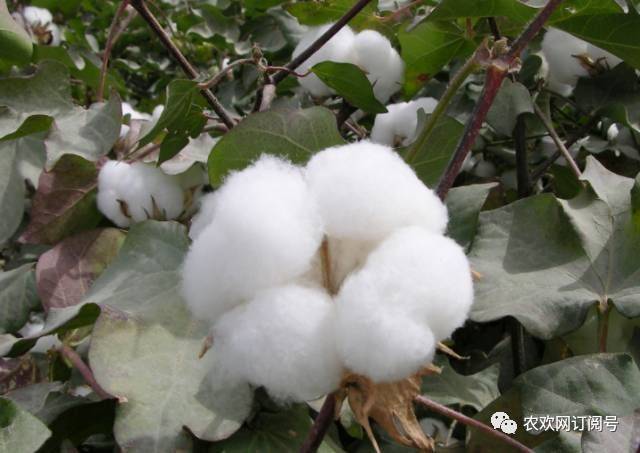
Cotton imports in january-august 2025 amounted to 585,000 tons, a decrease of 72. 6 per cent over the same period, a relative decrease in brazilian imports of large varieties, such as cotton and american cotton, and a rise in the balance to 3500 to 4500 yuan due to the lack of quotas, the low level of customs clearance resources and the relative monopoly of some large enterprises。
Ii. Key times and contexts for balance reduction
Short-term window: november-december 2025 new cotton discharges
The progress of processing of cotton in xinjiang shows that november-december is usually the peak of annual processing, with both years 2023-2024 showing a downward trend in the same period. Cotton from the south frontier is currently expected to be released in late 10th and the north frontier's “two 29” base is expected to return to $800-900/ton in november. In terms of cotton imports, the marketing of new cotton in the northern hemisphere after december will ease the pressure on brazilian cotton supply, and a gradual downward adjustment in the base is expected. At the same time, the quota reform of 2026 is automatic and is expected to be put on the market earlier than before。
2. Mid-term turning points: stock transfers in march 2026 points

Domestic cotton production is expected to be 7. 42 million tons in 2025/26, with a more relaxed supply than in the previous year. If commercial stocks rise again after march, and the ring ratio shrinks, it will be difficult to replicate the march-august 2025 strength and probably enter a weak cycle。
Risk variables: processing progress and demand resilience
If fresh cotton is not processed enough by the end of october, liquidity constraints may lead to a short-term increase in the base spread; however, the current rate of start-up of the yarn is weaker than during the same period of last year, the demand side lacks sustained support, and the downward trend in the base margin is difficult to reverse。
Iii. Market-related responses
Traders: seizing the sales window period
Against the background of the old high-base differentials, fresh cotton pre-sale levels have exceeded last year, and centralization in november-december will give rise to lower-base risk. Traders are advised to gradually reduce their stocks of cotton and avoid price reversal losses before fresh cotton is released。
2 garbage: now combined locking costs
Taking advantage of zheng cotton futures hedge risks to purchase, and in response to the low cotton base difference, the procurement could be postponed until december, when the new cotton in the southern hemisphere is on the market, before the brazilian cotton and american cotton base difference falls back to a reasonable range. At the same time, attention is being paid to the difference between a one-size-fits-all price and the cost of a new cotton, and to the choice of an alternative bank。
3. Policy end: optimizing supply and demand and pricing mechanisms
Accelerate the issuance of cotton import quotas to ease supply constraints at the import end; it is recommended that the zheng cotton warehouse receipt target be amended to include sugar-containing indicators affecting swirlability and service textile enterprises. The steering futures delivery warehouse receipt structure has been optimized to bring it closer to real demand and to facilitate the return of current prices。
On the whole, the high base difference in cotton is by its very nature a confluence of short-term supply and demand tight balances and structural distortions. With the november-december concentration of cotton on the market and the year 2025/26 abundance, it is expected that the deficit will gradually fall back to a reasonable range of less than $800. Market parties need to keep a close eye on the progress of processing and changes in inventories and address fluctuations through current tools and stockpile management。