Can the same voltage be combined
Conjunction is a common practice in electronic equipment and battery applications, but many question whether batteries with the same voltage and different capacity can be combined. This paper will explore this issue in detail。

First, the batteries with the same voltage can theoretically be combined. The underlying principle of the combination is equal voltage, so that, as long as the combined battery voltage is the same, the current flow resulting from the difference in voltage is not theoretically generated. However, other factors need to be considered in practical applications。
For batteries of different capacity, there are mainly the following problems:
Disequilibrium charge: when batteries of different capacity are charged, small capacity batteries are filled or released first, resulting in inconsistent discharge depths. This accelerates the ageing of small-capacity batteries and reduces the useful life of the battery as a whole. The distribution of currents is uneven: due to internal barriers and factors, the distribution of currents may be uneven in the actual operation of batteries of different capacity, which may lead to overloading of some batteries. Circulation problems: even if the initial voltage is the same, the battery may have different voltage rates during use, resulting in circulation, energy loss and heat。
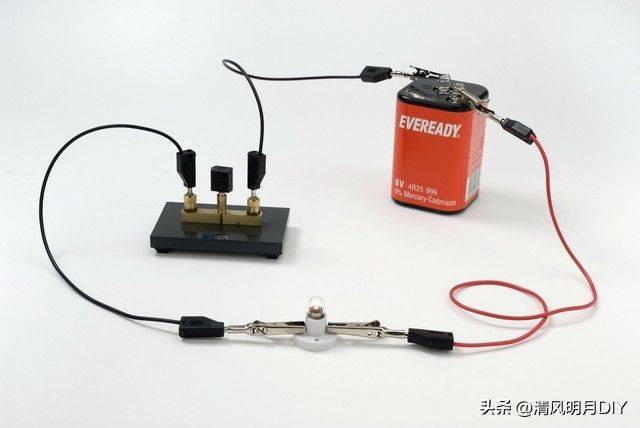
The following measures are proposed for batteries with the same combined voltage but different capacity:
Ensure that cells of the same type, the same chemical system, are configured for each battery in a separate configuration to protect circuits and periodically check the battery state to ensure consistency
It needs to be noted that, while technically feasible, from the point of view of long-term use and maintenance, batteries with the same specifications (including capacity) are best combined to achieve better performance and longer useful life。