


Tsinghua university press
From time to time, “antioxidation” has become a well-known term, especially for health care products that are willing to label themselves as “antioxidation”. From simple vitamin e, carrots, to a higher name, the “chrystal powder”, “groom oil”, “shrimp cyanide”, none of which is primarily sold as “resistant oxidation”. It's amazing that antioxidation health products are known to prevent ageing, prevent cancer, prevent diabetes, prevent dementia, increase the incidence of pregnancy, improve skin, improve sleep and lose weight
Businesses promote the main perspectives of antioxidation health products and health relationships:
1. Our bodies are destroyed from time to time by various internal and external factors, producing free radicals of oxidation, destroying dna and causing the emergence of bad cells; 2. Bad cells are the underlying causes of ageing and cancer; 3. Antioxidation health products prevent the formation of free radicals of oxidation, thus preventing ageing or cancer。
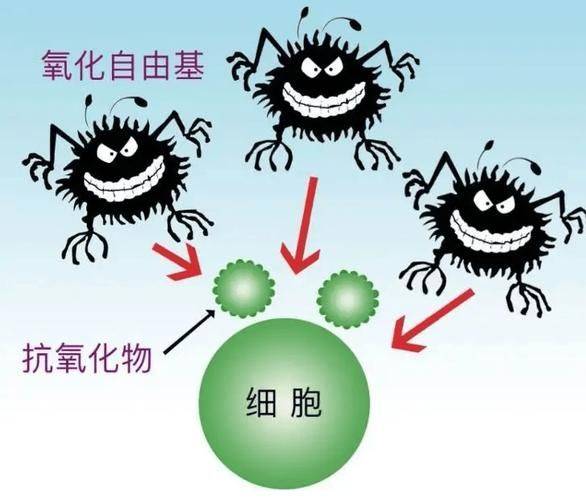
The “1” is scientifically based, “2” is considered to be basic science alone, and “3” is a complete “false science” and “brainwashing advertising”. To become a “good” pseudo-science, it is important to include a certain amount of true science, so that it can be mixed so that the public cannot be identified. There is no doubt that antioxidation health care is, as a whole, a “false science” with excellent genes。
It is true that a free radical of oxidation can destroy dna, but it has limited capacity to destroy and generate only a limited number of bad cells, and the vast majority (>99. 99 per cent) of cells destroyed by free radicals are quickly automatically removed from our immune system, which is not the place to cause ageing or cancer. What really causes ageing and cancer is systemic change. To take a step back, even if individual cells destroyed by free radicals survive, it is impossible to eliminate or prevent the creation of such cells by using external sources of antioxidants, which require antioxidants that work directly within the cells and cannot be eaten。
The prevalence of antioxidation health products does not originate in china, but in the united states, where technology is advanced. It is not doctors or merchants who really push antioxidation health products towards consumers, but rather social celebrities such as linus pauling。
Pauline is one of the most famous chemists in the united states, with a considerable contribution to quantum chemistry and structural chemistry. He first won the nobel prize for chemistry in 1954 and the nobel peace prize in 1962, making him one of the only two different nobel prize winners in history, and the other mrs. Curie. During the second half of his life, pauline began to promote the use of vitamin c to treat the disease, beginning with a cold and then developing to treat cancer. He also used his reputation and worked with a number of doctors to design clinical experiments to demonstrate that cancer patients could live longer with vitamin c, that many papers had been published and that the antioxidants had suddenly become a myth and that people were on the move. As a result, rigorous scientists quickly discovered a serious problem in the clinical trial design of pauline: he distinguished between vitamin c and non-vitamin c cancer groups, a group of patients who were already suffering much less from vitamin c than they were from, and therefore should have lived longer even if they did not eat anything. Larger hospitals, such as the united states meo hospital, were later experimented on a larger scale and found vitamin c to be totally ineffective in treating cancer and other diseases. But there is no limit to the public's trust in a celebrity, whether or not he is an expert in this area, a chemist who wants to be a good doctor, plus a messenger of peace, who successfully gave the crowd a “perjury lesson”. At the same time, the smell-sensitive merchants saw the opportunity to join the brainwashing team quickly, while introducing various antioxidation products, advertising the “perjury science” of antioxidation health products, which engulfed american society and later spread around the world。
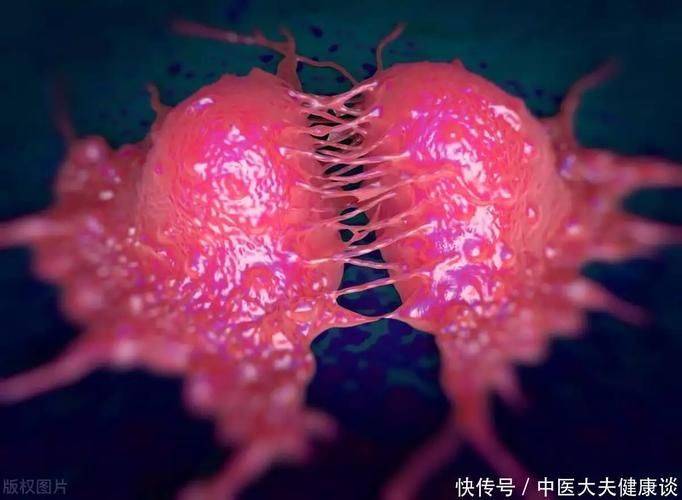
The effectiveness of antioxidation health products in combating cancer and ageing has been highly controversial in the scientific community. To date, all large-scale, blind clinical experiments have proved that long-term consumption of antioxidation health products has no health benefit. While antioxidants may be as useless as white water, there is some evidence that antioxidants are not good for the body. For example, in 2013, a scientific report found that long-term antioxidation drug consumption increases the growth rate of cancer in animal models. It has also been made clear on the official website of the national cancer institute of the united states that smoking lung cancers can actually accelerate the growth and recurrence of tumours if they take antioxidation drugs. Because the markets for antioxidants are so large, the government is cautious, and now there are several large-scale clinical experiments in europe and the united states that are trying to prove thoroughly the rumors about cancer in those factories。
We'll see about the effects of antioxidants on patients after treatment and chemotherapy, but from all the historical data, perhaps the best result is no side effects。
It seems to me that a balanced diet, healthy health is the rule. If it is established that certain trace elements, such as iron and calcium, are lacking, it is no problem to eat cheap health care. If you can eat less, then who will sell you the magic antioxidation。
For cancer prevention, good moods are real good, good immune system is real good! A good bowl of rice helps the immune system more than any magical antioxidation healthcare。
It's good to read every day
Are antioxidants really cancer-proof
23



