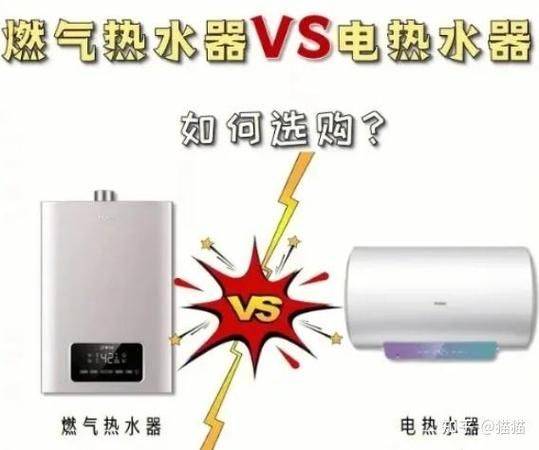
The following is an example of a generic use description of a million-and-gas-heated water heater. There may be some variations in the products of different models, depending on the instructions attached to the actual product, or you can go to man and the official website and download the corresponding specifications of the specific model. 1. ** operator panel** - usually contains power switches, temperature-regulating buttons (e. G. "increased temperature", "increased temperature", "increased temperature" and "increased temperature", mode selection buttons, etc. Some smart models are also equipped with monitors to display current water temperature, working patterns, etc. - some of the operating panels also have a malfunction light that blinks the corresponding code tips when the water heater is in trouble. 2. ** gas portal**: the connection to the gas pipeline will normally be clearly marked and will require the use of dedicated gas connections and ensure that the connection is robust and clean. 3. ** cold water entrance**: a cold water supply system is connected to the home through a pipe, usually with an entry valve to control the flow of cold water. 4. **thermal water exports**: connecting hot water pipelines to transport hot water to places where use is needed, such as bathrooms, kitchens, etc. 5. **smoking pipe**: for the discharge of combustion-generated exhaust gas, it must be properly installed and accessible outside the room to ensure smooth discharge. ###ii. Installation requirements 1. ** location of installation** - should be installed in a well-ventilated location, avoiding closed spaces such as bedrooms, basements, bathrooms, etc. - installations should be located far from flammable, explosive articles and have sufficient space for operation and maintenance. 2. ** gas connection** - use of dedicated gas tubes that meet national standards, which are followed by rigorous gas-enhancement checks, and use of soap water to paint interfaces, indicating good connection when no bubble is produced. 3. **wasteline connection** - ensure that cold-water access points and hot-water exports are strong and clean. When installed, the entanglement of the raw material belt may be used to enhance sealability. 4. **smoke pipe installation** - the pipe should be as short and as straight as possible, with fewer bends to ensure its effectiveness. The exit of the pipe should be out of the room to prevent the flue gas from pouring in. # # # iii. Use step 1. ** check before startup** - check if the gas valve is open to ensure that the gas supply is normal. - check if cold water enters the water valves and keeps the water open. - checking for strong connections and no congestion. 2. ** switch on ** - press the power switch on the operating panel, and the water heater is powered to display screens on display and current status. ** temperature regulation** - to increase or reduce hot water temperature by pressing the temperature adjustment button “” or “on demand. General temperature regulation ranges between 35°c - 75°c and can be arranged according to seasonal and usage habits. ** mode selection (part model)** - some water heaters have a variety of working patterns, such as energy-saving patterns, comfort patterns, tubing patterns, etc. Switches can be made by means of mode selection buttons, with different operational parameters for water heaters in different modes. 5. ** with hot water** - open the hot water tap, the heater automatically sets the fire and starts heating cold water. Waiting for a moment to obtain hot water at set temperatures. Regulate the opening of hot water taps to control the flow and temperature of hot water. ##iv, note 1.** safe use** - good indoor ventilation during use to prevent carbon monoxide poisoning. - the placement of flammable and explosive substances around water heaters is strictly prohibited in order to avoid fires. - periodic inspection of gas pipelines and connections and, in the event of leakage, immediate closure of gas valves, opening of windows and windows, strict prohibition of the use of open fires or electrical switches in the interior and timely contact with professionals for maintenance. 2. **maintenance ** - regular clean-up of filters for water heaters to prevent impurities affecting currents and heating. - at regular intervals (generally 1-2 years), professionals are required to perform comprehensive inspections and maintenance of water heaters, including the cleaning of burners, the inspection of heat switches, etc. 3. **frozen winter** - in cold winter, if water heaters are not used for long periods, water should be drained from the water heaters to prevent the freezing of tanks and pipes. Cold water can be closed into the water valves, hot taps and drainage valves can be opened and the water drained. # # v, common failures and solutions 1. ** no fire ** - check if gas supply is normal and the gas valve door is open. - check if batteries are non-electrified (partly in the battery model) and replace new batteries if necessary. - check for carbon accumulation or damage from the ignition, if any, and use sandpaper for light wipe; in case of damage, contact a professional to replace it. 2. ** temperature instability of water ** - checks whether cold water intake pressure is stable and regulates cold water entry into water valves. - to check whether the gas pressure is normal, if it is too low, which may cause water temperature instability. - check the temperature control of the water heater for failure and contact professionals for maintenance if there are problems. ** leakage** - checks whether the connective parts are loose and, if loose, the connector is tightened. - check for damage to the pads and replace them in case of damage. - in the event of a breakdown of a water tank or pipe, the use shall cease immediately and the professionals shall be contacted for maintenance。