


People in high places are believed to have been unable to come and to have a small amount of bathing, which is the reason why the water pressure in their homes is too low, as is usually the case with domestic boosters. What's a home booster? What's a home booster today? How
What's the home booster
1. Current automatic booster pumps
The method of work is to boost the hydro-influenza receptor (flow switches) in the pumps through the flow of its own pipe (4l per minute), the sensor transmits the signal to the controller in the pump, the controller controls the pump power, and the pump presses the water supply。
2. Pressure automatic booster pumps
The method of work: the pump is controlled by pressure sensors (with ceilings and floors) in the pump, which are activated when the pressure reaches the ceiling of the pump pressure sensor。
Advantages: harnessing groundwater at affordable prices
Shortcomings: contacts within pressure sensors are easily sintered (a pump cannot work) and heat burns when the pump is stuck to death (a rust) for long periods of time, and pump pressure sensors keep running between the upper and lower limit (a pump is running and running) and the tap is running。
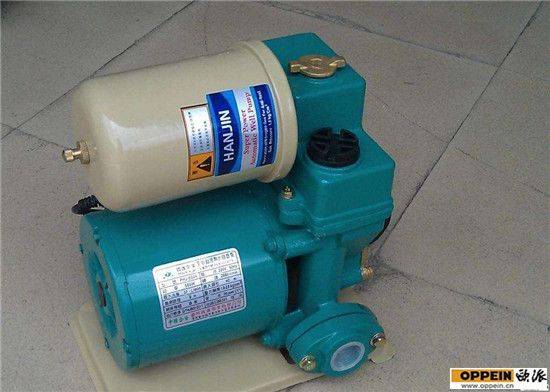
3. Electronic steady pressure automatic booster pumps
Operating principles: control of water pumps through aquatic influenza receptors (high sensitivity) and pressure sensors (electronics, no working current) to detect pipe pressure and currents. When the pressure in the pipe drops, the pump pressure sensor gives the pump controller a signal, the pump starts work, and the current is activated, the sensor senses the flow of water, the pump works, when the amount of water is slowly reduced, and the pressure sensor reaches the upper limit gives the controller a signal, but the water flu sensor still provides the working signal (only the reduced flow) or the control pump until the water flu sensor does not respond to the current and pressure sensor reach the upper limit pump。
Advantages: water-output pressure is smooth, structurally compact, long operational life, protection with water scarcity
Disadvantages: slightly higher prices
4. Water pumps (systems)
Modus operandi: the pressure sensor is capable of absorbing pressure within the pipe and the output of an electronic signal to the frequency transformer to control the speed of the pump generator and act as a constant pressure。
Advantages: power savings, work stress adjustable, long useful life, low sound
Disadvantage: high prices
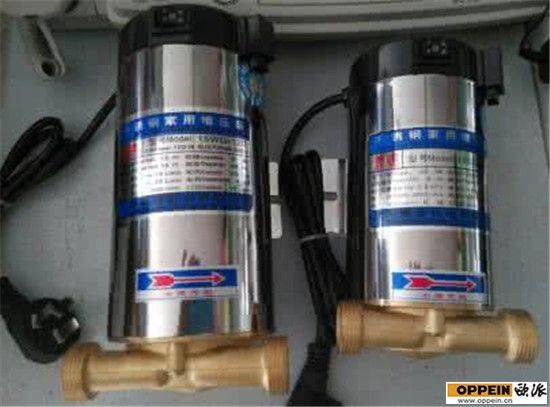
How do you choose the home booster pump
The water pump market is mixed, and it's mixed. In order to cater to the customer's attitude of high power and high speed, the water pump performance indicators are labeled very randomly, fearing that they will be labeled lower than others. So how do we get a high-quality domestic booster
There are usually two types of domestic booster pumps by leaf wheel: centrifugal, leafy. The operating noise relative to the foliage booster pump for centrifugal boosters (e. G., silent shield pumps) is low for copper pumps。
There are usually three methods of automatic control of booster pumps: pressure control, current control and water level control. Pressure-controlled pumps are usually used in pipes where the tap does not naturally produce water. The current-controlled pumps are usually used for the natural extraction of water from the taps, the flow of water is greater than the thick pipe of chopsticks, and the water level control is used in water towers, reservoirs and other reservoirs。
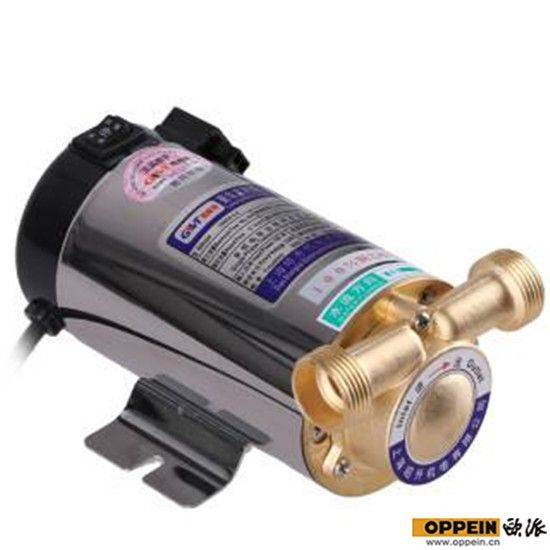
This is the knowledge that the authors have given you about the selection of domestic pressure booster pumps, which you can choose to use to buy, so that your life will no longer be troubled by low water pressure。



