Material selection methods for chemical pumps
Corrosion has been one of the most painful hazards of chemical equipment, with minor inactivity, minor damage to equipment and accidents and even catastrophes. According to statistics, approximately 60 per cent of the destruction of chemical equipment is caused by corrosion, so the scientific nature of the selected material is the first priority when selecting a chemical pump. There is usually an error zone in which stainless steel is considered to be a “one-size-fits-all material” and it is dangerous for any medium and environmental conditions to have stainless steel pumps. Following are some of the main points of the selection of chemical pumps for some commonly used chemical media:
As one of the strong corrosive media, sulphuric acid is an important industrial raw material of very wide use. Corrosion of sulphuric acid to materials at different concentrations and temperatures varies considerably, and carbon steel and casting iron are relatively resistant to sulphuric acid at concentrations above 80% and temperatures below 80°c, but they are not suitable for high-speed flow sulphuric acid and are not suitable for materials used as pump valves; ordinary stainless steel such as 304 cr18ni9), 316 (0cr18ni12mo2ti) is also of limited use to sulphuric acid media. Pump valves delivering sulphate are therefore usually made of high silica cast iron (which is difficult to found and process), high alloy stainless steel (alloy no. 20). Fluorinated plastics have better sulphate resistance and the use of fluorine pumps (f46) is a more economical option。
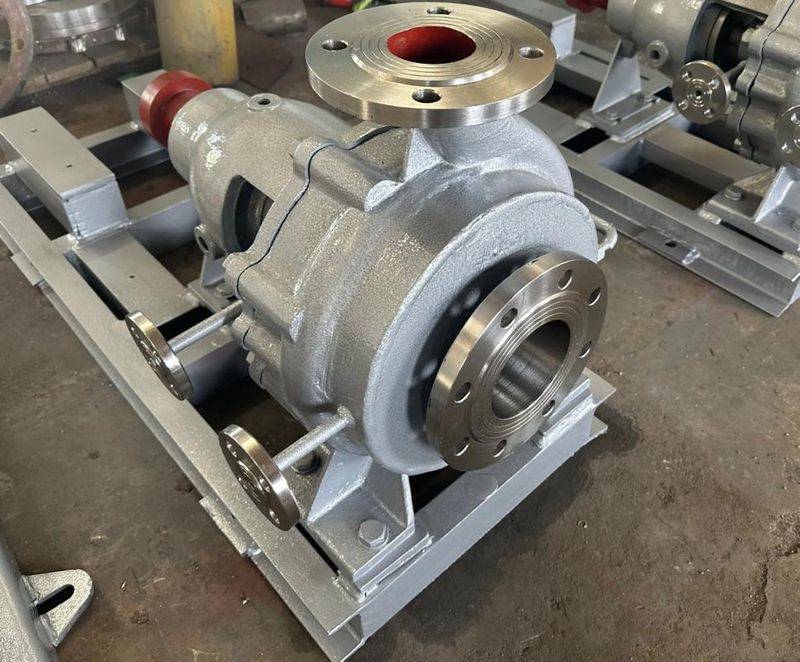
2 the majority of metal materials are not resistant to corrosion (including various stainless steel materials) and silicium-rich iron can be used only at 50 °c or below 30 % hydrochloric acid. In contrast to metal materials, the vast majority of non-metal materials have good corrosive properties for hydrochloric acids, so internal liner rubber pumps and plastic pumps (e. G. Polypropylene, fluorinated plastics, etc.) are the best option to transport hydrochloric acid。
3 nitrous acids 3 in general, most metals are rapidly corrosively destroyed in nitrate, stainless steel is the most widely applied nitrate-resistant material, with good corrosivity for all concentrations of nitrate at constant temperature. It is worth mentioning that stainless steel containing molybdenum (e. G. 316, 316 l) is not less resistant to nitrate than ordinary stainless steel (e. G. 304, 321) or even less. For high-temperature nitrate, titanium and titanium alloy materials are commonly used。
4. Acetate, which is one of the most corrosive substances in organic acid, is severely corrosive in ordinary steel at all concentrations and at all temperatures, stainless steel is a good acetate-resistant material, and 316 stainless steel containing molybdenum is also suitable for high temperature and rare acetate vapour. High-temperature, high-strength acetic acid or stringent requirements such as those containing other corrosive media may be used as an option for a high alloy stainless steel or fluorine plastic pump。
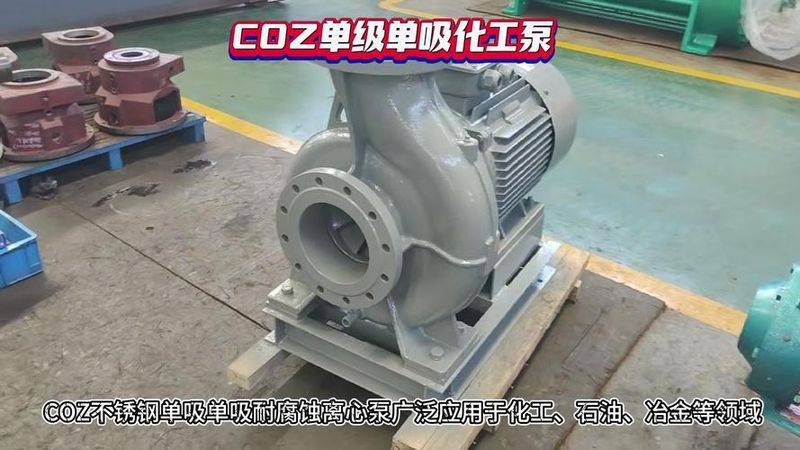
5 alkalin (sodium hydroxide) steel is widely used in sodium hydroxide solution at concentrations below 80°c and 30%, and many plants still use ordinary steel at 100°c and below 75%, although the erosion is increasing, but it is economic. Ordinary stainless steel has no obvious advantage over the corrosivity of alkaline liquids as compared to cast iron, as long as a small amount of iron is allowed in the medium to be inserted into the non-recommended stainless steel. Titanium and titanium alloys or high alloy stainless steel are used mostly for high temperature alkali fluids。
6. Ammonium (caminohydroxide) most metals and non-metallics have minor corrosion in liquid ammonia and ammonia (cuminohydroxide) and only copper and copper alloys are not suitable for use。
7 salt water (seawater) normal steel is less corrosive in sodium chloride solution and in seawater and salt water and generally requires paint protection; stainless steels also have low even corrosive rates, but may cause local corrosion due to chlorine ion, usually using 316 stainless steel。
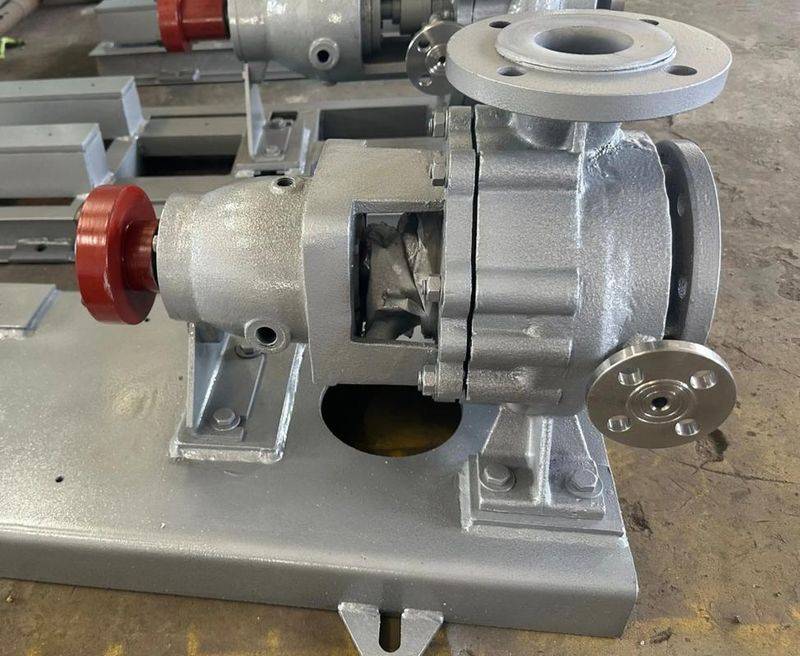
Common alcohol media include methanol, ethanol, ethanol, ethanol, ethanol, propol etc., ketone, butanone, esters, esters, esters, etc., and ether media, which are largely non-corrosive and are applicable to commonly used materials, with reasonable selection based on the properties of the medium and related requirements. It is also noteworthy that esters, esters and ethers are soluble to a variety of rubbers and avoid errors in the selection of sealed materials。
There are many other media that cannot be described in this context. In short, the selection of material must be free and blind, and more information should be consulted or developed。