[procedures and steps for the dismantling of motor vehicles] are subject to systematic and standardized operating procedures to ensure safety and smooth subsequent installation. The following is a summary of the motor dismantling process and provides a clear reference table in conjunction with practical steps。
Summary of the motor dismantling process
1. Preparatory work: includes preparation of tools, location of vehicles, power outages and oil discharges。
2. Removal of external accessories: e. G. Air filters, vents, generators, air conditioning compressors, etc。
Release of cooling fluids and oils: prevent contamination or damage during dismantling。
4. Dismantling engine racks and stationary parts: including hangers, transmission axe links, etc。
5. Separation engine and gearbox: dismantling of power output through specialized tools and methods。
6. Hanger engine: the engine is removed from the frame using a professional crane。
7. Clean-up and inspection: initial cleaning and inspection of dismantled engines。
Ii. Schedule of steps for the dismantling of motor vehicles
Steps
Operation content
Attention
Preparation tools and materials
Make sure you have all the tools, wrench, screwdriver, jack, crane, etc
Vehicle positioning and power cuts
Park the vehicle on flat ground, shut down the power and pull out the negative poles of the bottle
Release of cooling fluids and oil
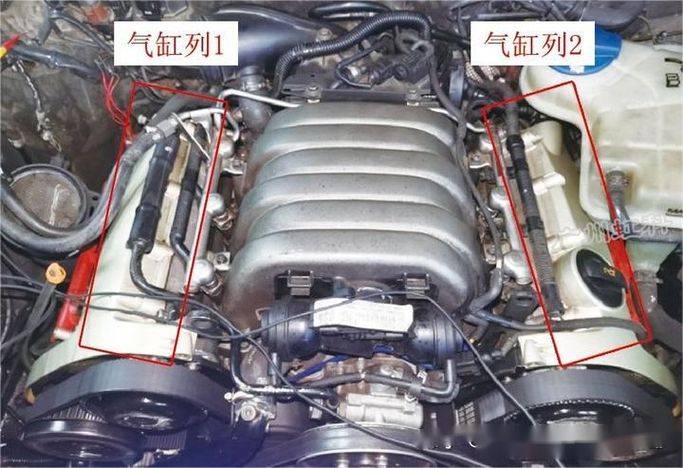
Open the radiator cap and oil bolts to avoid spills
Remove external attachments
Including gas intake pipes, vents, generators, air conditioning compressors, etc
Dismantling engine support
Use the jack to support the engine, gradually loosen the fixed bolt
Separate engines and gearboxes
Be careful to separate with a special tool or squeak to prevent damage to the parts
Hanging engine
Use engine cranes, slowly moving to safe position
Clean-up and inspection
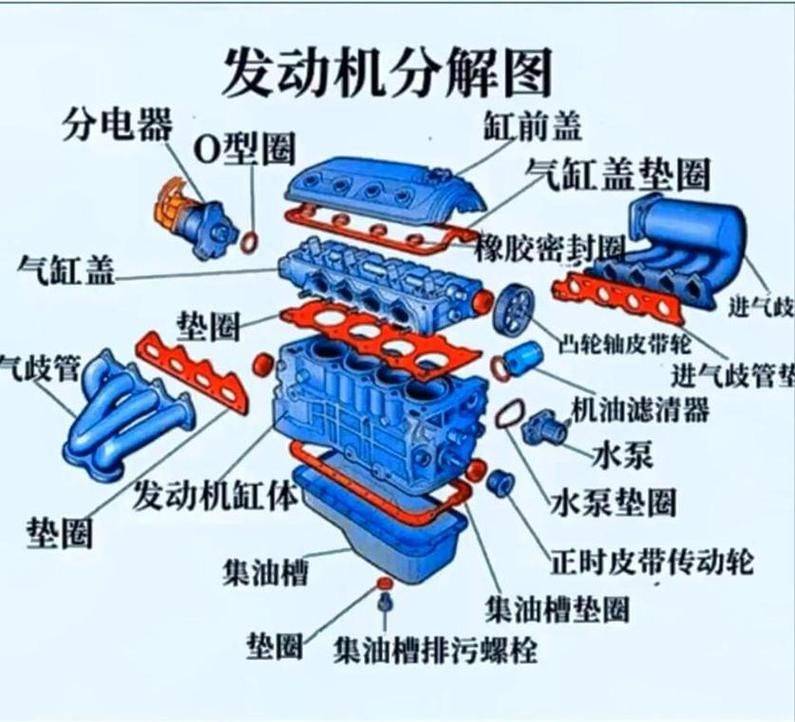
Cleaning of engine surfaces to check for abnormal wear or tear
Iii. Notes
- the vehicle maintenance manual must be read before operations can be carried out to understand the dismantling requirements for specific vehicle types。
- be careful during the dismantling process to protect the surrounding parts from collisions or scratches。
- in the case of large engines or vehicles with high chassis, it is recommended to use specialized equipment for suspension。
- upon completion of dismantling, all parts should be kept in safe custody in order to prevent loss or confusion。
The safety and efficiency of engine dismantling can be effectively ensured through the normative operation of the above processes and steps, providing a good basis for subsequent repair or replacement。