Aerodynamic valve construction and working principles
Page2
Aerodynamic valve construction and working principles
Aerodynamic valve construction and working principles
Overview
Aerodynamic valves are a control element that is widely used in industrial automation systems to convert gas pressure to mechanical power, thus driving the implementing agency to achieve valve switches. The construction and operation of the aerodynamic valves are important for understanding their performance, maintenance and troubleshooting. The construction of the aerodynamic valve and its rationale are described in detail。
Ii. Structure
1. Valves: valves of aerodynamic valves are usually made of metal materials such as stainless steel, carbon steel, etc. Depending on the place of application, different valve shapes and materials can be selected。
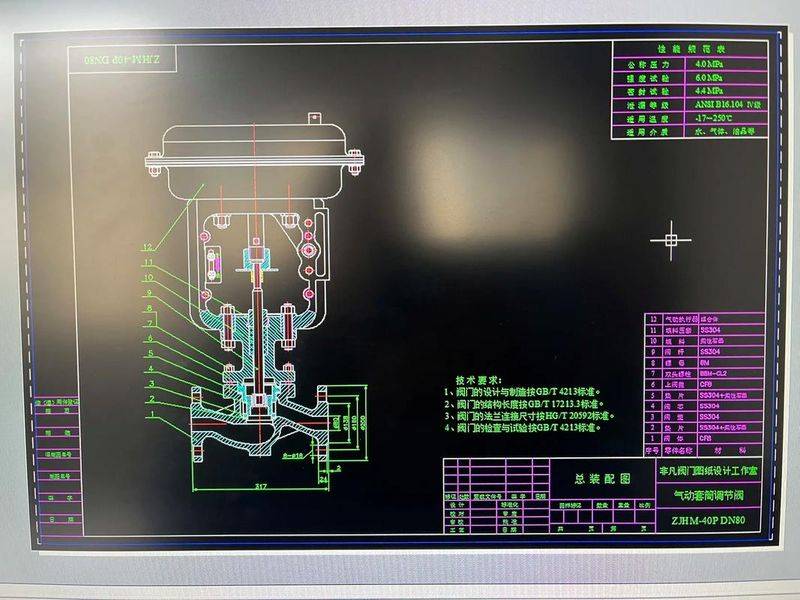
2. Executing agency: the implementing agency for the aerodynamic valves is the device for the opening and closing of the valves, which typically consists of pistons, springs, poles, etc. The implementing agency achieves valve switches by compressing the force generated by the air。
3. Valves: the valves are the switch parts of the aerodynamic valves, which are connected to the implementing agency and move according to the movement of the implementing agency. When compressed air enters the implementing agency, push the piston movement and drive valves to or off。
Seal: the seal of the aerodynamic valve is a key component to ensure the sealing performance of the valve, usually made of materials such as rubber and plastics. Seals are closely aligned with valves and valves and can effectively prevent media leakage。
5. Control parts: control components of aerodynamic valves include electromagnetic valves, gas kinetic valve controllers, etc., used to control the breakdown of compressed air. Control components can be linked to equipment such as sensors, computers and so on, as required, to achieve automated control。
Iii. Rationale
Air compression: when the control component receives the control signal, the compressed air enters the implementing agency through the control pipe. Compressed air drives the piston movement and drives the implementing agencies to open valves。
2. Valve movement: as compressed air enters the implementing agency and pushes the piston down, the collage drive valves open or close the valves. The seals between valves and valves fit closely and can effectively prevent leakage of media。
3. Automatic repositioning: when the control signal disappears and compressed air ceases to enter the implementing agency, the piston returns to its original position with spring action and the valve is closed. This automatic repositioning allows the aerodynamic valve to perform switch operations reliably。
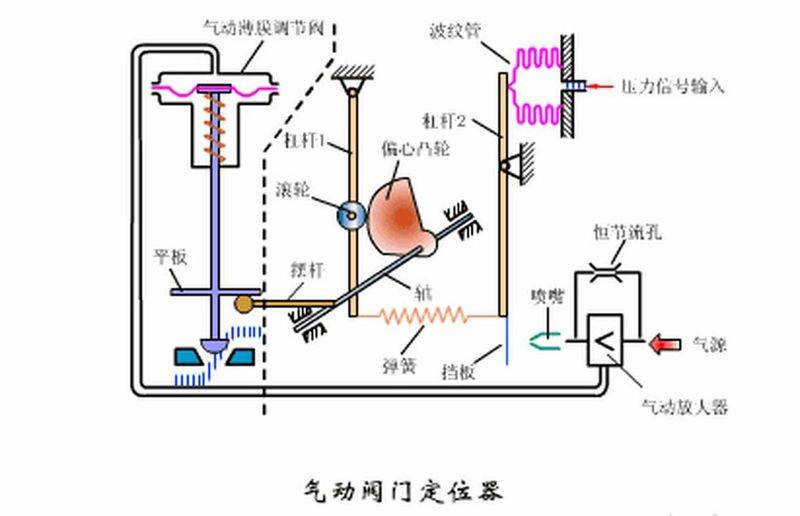
4. Feedback control: aerodynamic valves are usually equipped with sensors, such as position sensors, pressure sensors, etc., to monitor the location and sealed performance of valves. Automatic switch control and feedback control can be achieved by analysing feedback signals from sensors through control systems。
Iv. Application
Gas valves are widely used in industrial automation systems, such as chemicals, oil, gas, food, pharmaceuticals, etc. Aerodynamic valves can achieve remote control of fluid media, logical control and position control, etc., and have the advantage of simplicity, maintenance and reliability。
Summary
This paper presents the construction and working principles of the aerodynamic valves, including the valve, the implementing agency, the seal, the control component and its work processes. Aerodynamic valves achieve valve switches by compressing air-driven implementing agencies, have the advantage of automatic repositioning, feedback control and are widely used in industrial automation systems. Understanding the construction and operation of the aerodynamic valves is important for the proper use and maintenance of the aerodynamic valves。
Aerodynamic valve construction and working principles
I. Structure of the aerodynamic valve
The aerodynamic valves usually consist of valves, implementing agencies, valves, limit switches and pipe attachments。
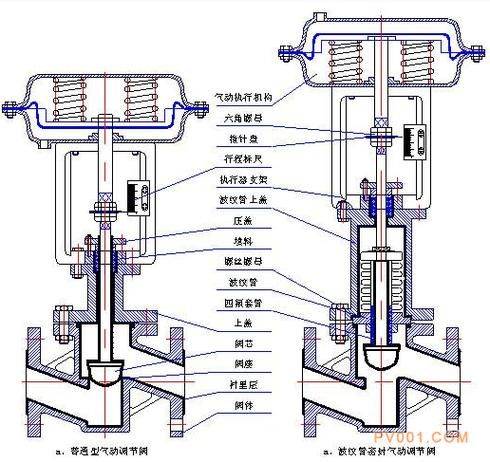
1. Valves, including shells and caps, are the basis of the entire valve。
2. Executing agencies: including gas cylinders, pistons, springs and transmission agencies, are the executing agents for driving valves。
Valves: the most important component of the valve, depending on the type of valve, may be a separate component or part of the valve。
4. Limit switches: used to detect the location of valves in order to control the system。
5. Pipeline attachments: includes support racks, locators, filters, one-way valves and pressure reduction valves, etc., to support and control the aerodynamic valves。
Ii. Rationale of the aerodynamic valve
The aerodynamic valve works mainly using compressed air to drive and position the valve. Specifically, when compressed air enters the cylinder through a pipe, it drives the piston movement, leading to the implementing agencies and valves。