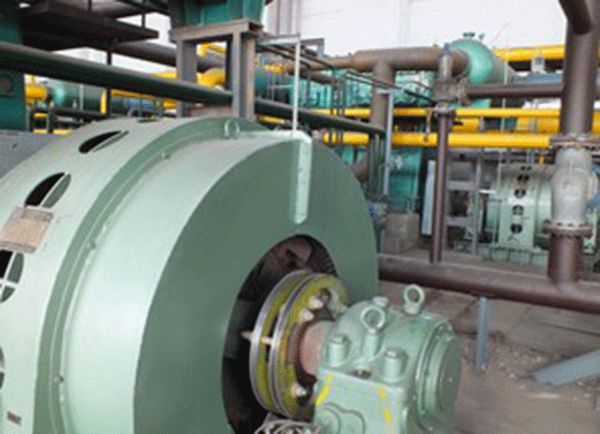
High-temperature flue coolers are a device used to reduce the temperature of industrial flue gases and play a crucial role in industrial production. High-temperature flue coolers can effectively reduce flue temperature, reduce pollution of the environment, increase energy efficiency, protect equipment and extend useful life。
I. The principles of high-temperature smokers
High-temperature fluecal coolers are usually made of metal materials with good temperature resistance and corrosion resistance. The method of work is to channel high-temperature flue gases inside the thermostat, specifically when the high-temperature flue gas passes through thermal exchange elements in the thermostat (e. G., tubes, wings, plates, etc.), the cooling medium flows to the other side of the elements in a reverse or concurring fashion. Because of temperature differentials on both sides, the heat is automatically transmitted from the high temperature side (fluorinated gas) to the low temperature side (cooled media), thereby achieving cooling effects. At the same time, the cooling medium absorbs the heat which increases the temperature accordingly, which can be reduced by subsequent cooling systems. The cooling flue gas is then cleaned and released to the atmosphere to reduce environmental impacts。
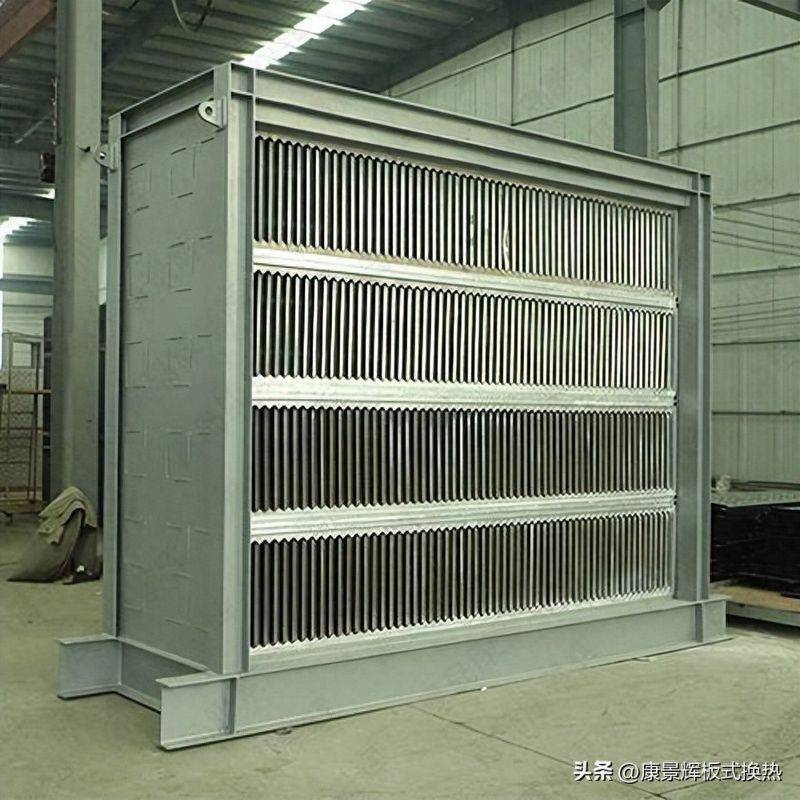
High-temperature smoker
Ii. Types of high-temperature smoker
High-temperature flue coolers are of various types, including air preheaters, heat-replacement tubes, which use flue heat preheats to enter the air of the combustion equipment to increase energy efficiency, and heat-removation tubes, which bring flue gas cooling through heat transfer devices within the pipe and are suitable for high temperature and high pressure environments。
High-temperature flue coolers are widely used in industrial production, especially in processes such as high-temperature flue emissions such as coal combustion and fuel. The installation of high-temperature flue coolers would not only reduce the temperature of flue gases and the pollution of the environment, but also increase energy efficiency, reduce production costs, protect equipment and extend life expectancy。