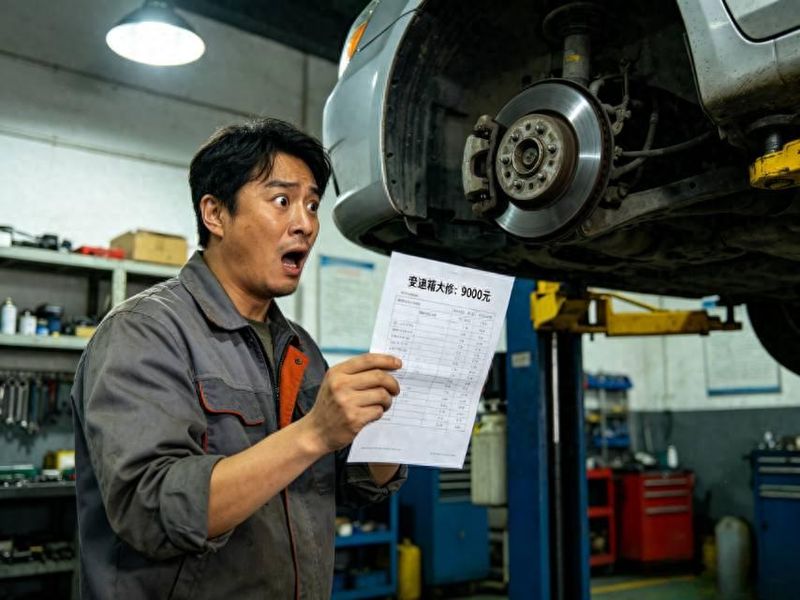
As has been said, “three-quarters of seven-part maintenance” is used in a car, and maintenance is available in a normal manner to avoid the trouble caused by “big repairs”. At present, many owners ' awareness of vehicle maintenance is limited to just how many kilometres they travel, but maintenance of vehicles also requires seasonal changes, which not only avoid over-maintenance and save on the cost of raising the vehicle, but also keep the car in good shape and service。
New season for the car
The paint of the car is like human skin, and it can be allergic to new seasons. In march, as rain rises, rain or water rises, the bottom of the vehicle is easily accessible to sludge and sewage, especially after the freeway, with many insect bodies in the front of the vehicle, strong corrosive paint and timely cleaning of the vehicle behind the highway。
Car paint maintenance can go to a beauty shop for a cover or membrane treatment. The seals and plating membranes can fill small holes or dents in the paints and form a protective layer with significant improvements in the brightness and hardness of the paints。
There's nothing left to keep
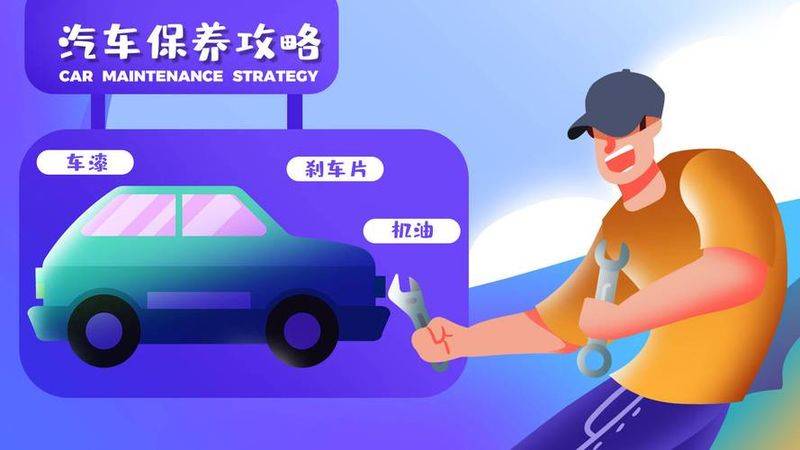
Since, in winter, homeowners generally rarely open windows to ventilate, they tend to accumulate bacteria in their cars, and as spring temperatures increase, bacteria breed and affect the health of the passengers, often neglected interior maintenance is essential。
Specialized interior maintenance includes car-wide cleaning, leather protection and vapour fungi components. In the course of interior maintenance, emphasis should be placed on the cleaning of hidden areas such as interior seat sutures, vents, mattresses under chairs, etc., and additional maintenance agents for dashboards, leather seats, etc., can prevent their ageing。
Watch out for blood change
The replacement times for vehicle fluids vary from brand to brand, but “blood” replacements for cars are necessary during seasons。
For a vehicle, engine lubricating oil, which is the blood of the vehicle, acts as a lubricating, cleaning, cooling, sealing, grinding, rustproofing, corrosive, etc. The replacement of “oil, filtration” is a mandatory maintenance item for each trip to shop 4s. In order to ensure that this is done, the old oil will be released and replaced with new oil, and the owner will be able to monitor and request that the old items, including the remaining oil, be removed. Upon completion of maintenance, the oil scale is also to be pulled out to check whether the oil is clean。
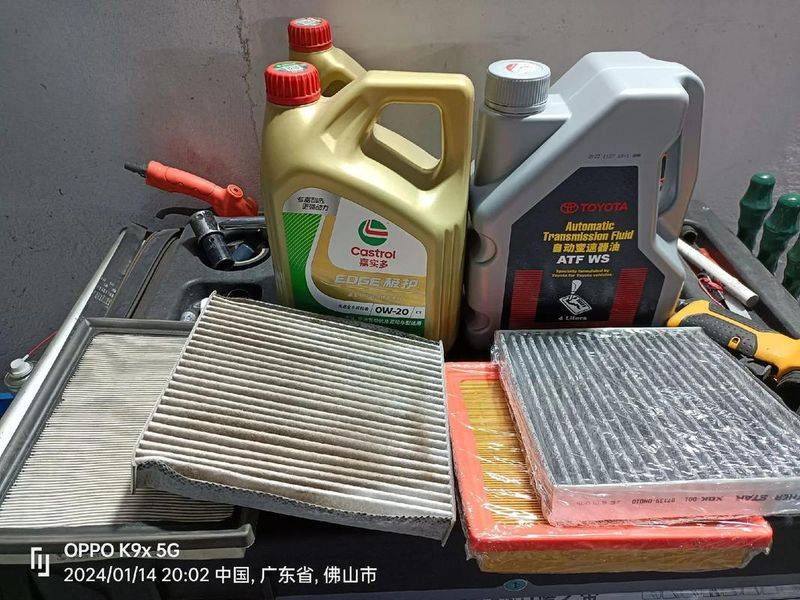
Vector tank oil the fuel of the transformer tank works at high-speed temperatures for a long period of time and is volatile, thereby exacerbating wear and tear of mechanical parts, causing serious damage to the inner parts of the transformer tank, as well as the possibility of a slight slippage in the vehicle's driving process and a weak start. Automobile transformers normally require the replacement of automatic transformer tank oil every two years or 40,000 kilometres per trip. In the case of day-to-day vehicles, it is usually recommended to replace 40,000 to 80,000 kilometres once. More high-speed vehicles are recommended for replacement approximately 40,000 kilometres。
Refrigerated fluids do not work only in winter, so they cannot be replaced or used in combination with water in other seasons。
Timely replacement of vehicle spare parts
Spare parts for natural wear and tear, including tires, trifilters, brakes, bottles, etc., should also be checked during the season and replaced in a timely manner, if necessary, to ensure the safety and safety of the vehicle。
Three filters for cars refer to oil filter cores, air filter cores, petrol filter cores. The oil filter cores are replaced every 5,000 kilometres, while oils are replaced with oil filters. Gas filters and air filters are replaced every 10,000 km. Air-conditioning cores are replaced by approximately 20,000 kilometres per year。
Tyres the lifetime of tyres is associated with many factors, such as climate, roads, driving patterns, installation, maintenance, etc. In general, tyres must be replaced when they reach a depth of 1. 6 mm. It is understood that ordinary tyres are valid for up to five years after production and must therefore be replaced after four to five years of use, regardless of whether they are worn up to 1. 6 mm. In addition, there is a need to replace tyres where there is serious damage to their tread or side and more than three patches。
In the brake system, brakes are the most critical security component, and the effect of all brakes is decisive. It is understood that a new brake blade is generally about 1. 5 centimetres thick, which will be thinner as it is used. The technicians recommended that the owner increase the frequency of self-censorship and be ready to replace it when the eye-watching brakes were only about one third thick (about 0. 5 cm) of the thickness. But if it was a drum brake, it would not apply。
Of course, the replacement of brake blades is also associated with the use of custom, and there is no strict replacement interval, which is normally considered for replacement at approximately 60,000 kilometres, when it is required to be purchased and replaced at 4s or at a regular service shop。
Car bottles typically have a life span of more than two years, and in their daily use can be judged by the battery state sign in the vehicle, by the observation hole on the bottle, by the abnormal sound of the vehicle during the fire, or by changes in the light. The working state of the batteries should also be checked in case the vehicle suddenly fails to start。
(singing rain)