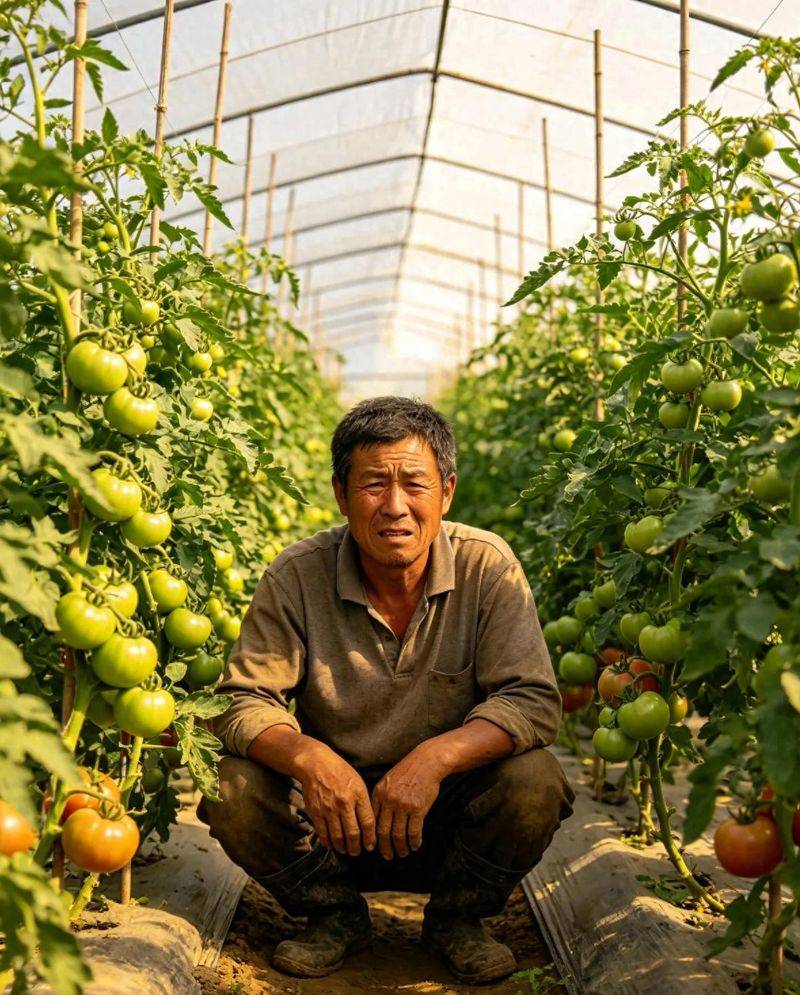
It is now a critical period for the concentration and coloring of open tomatoes, whether they are planted sporadically in gardens or on fields of scale, with red fruit on their heads. Many farmers have been working for half a year, watering their fertilizers, but not until the fruit matures: one looks big, eats and leaves wood hard, has little juice, can't sweeten the sand, is completely free of the soft glucose taste of childhood and cannot be sold on the market。
Many people think that varieties are bad or that the land is not fertile enough, but, according to field research by local agro-technical departments, tomatoes have poor tastes, poor quality, and are mostly not a problem with varieties, but rather a bias in the management of expansion periods. A large number of farmers are pursuing their heads, applying a large amount of nitrogen fattening, pouring water drying and damp, and failing to clean the leaves in time, leading to nutrient growth, poor accumulation of fruit and sugar and a low natural taste. In order to grow fruit, saliva and sweet tomatoes, fertilizer is not being used in large quantities, but with three ground-to-ground management techniques, ordinary farmers can operate at home and easily grow high-quality fruit。
I. Scientific control of resources in equipment, dry and wedding
The turnover phase of tomato expansion, where watering directly determines meat and sweetness, is also the most likely step for many vegetable farmers. Some farmers fear that the fruit will be small, frequent and watery, the soil will be damp for long periods, the root system will not breathe well, the fruit will contain too much water, the water will collapse after maturity, not only without sand, but also prone to fissures and emptiness; others will also suffer from prolonged drought and lack of water, with fruit expansion hampered, small head sizes, and will eat and grow wood hard。
In accordance with the ministry of agriculture and rural development's guidelines for vegetable cultivation techniques, tomato expansion is based on the principle of dry wetness and light water. Soils of 3 to 5 centimetres of the surface are dry and watered with water, but no water can be poured on the surface; water is given in the morning or evening, avoiding high temperatures and reducing water evaporation and root irritation. In the later stages of the transformation, the appropriate reduction of the frequency of water watering, the maintenance of the dry state of the soil, the artificial creation of slight hydrococoercence, the accumulation of internal sugar and dry matter in fruit, the gradual rise of the clinking of the fruit meat, a marked rise in sweetness and a closer taste to the old tomato variety。
Ii. Fertilisation with a focus on potassium calcium and a better taste of nitrogen
The nutrient demand and the seeding period are completely different for tomatoes, with nitrogen fertilizer required for long seeding and nitrogen control, potassium enrichment and calcium supplementation at the core of quality upgrading. Many farmers are used to urea-seeking, resulting in long leaves and fruit-bearing, large internal cavities and low sugar, which look good but not good。
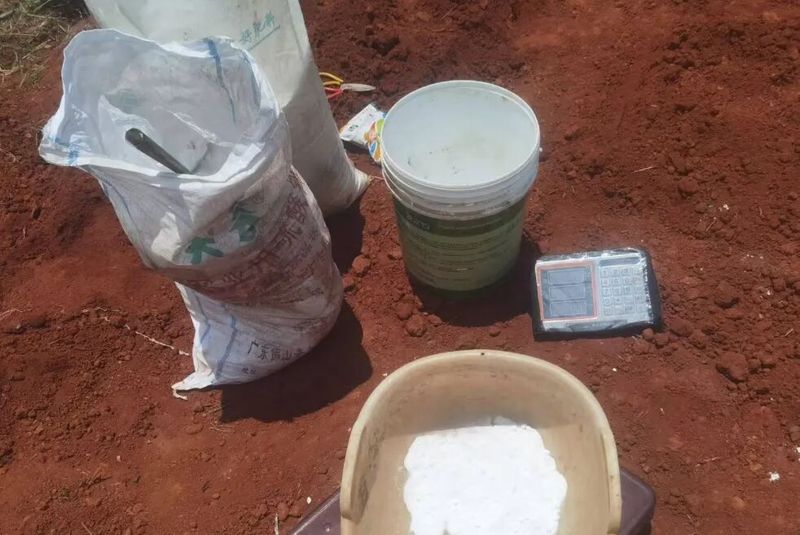
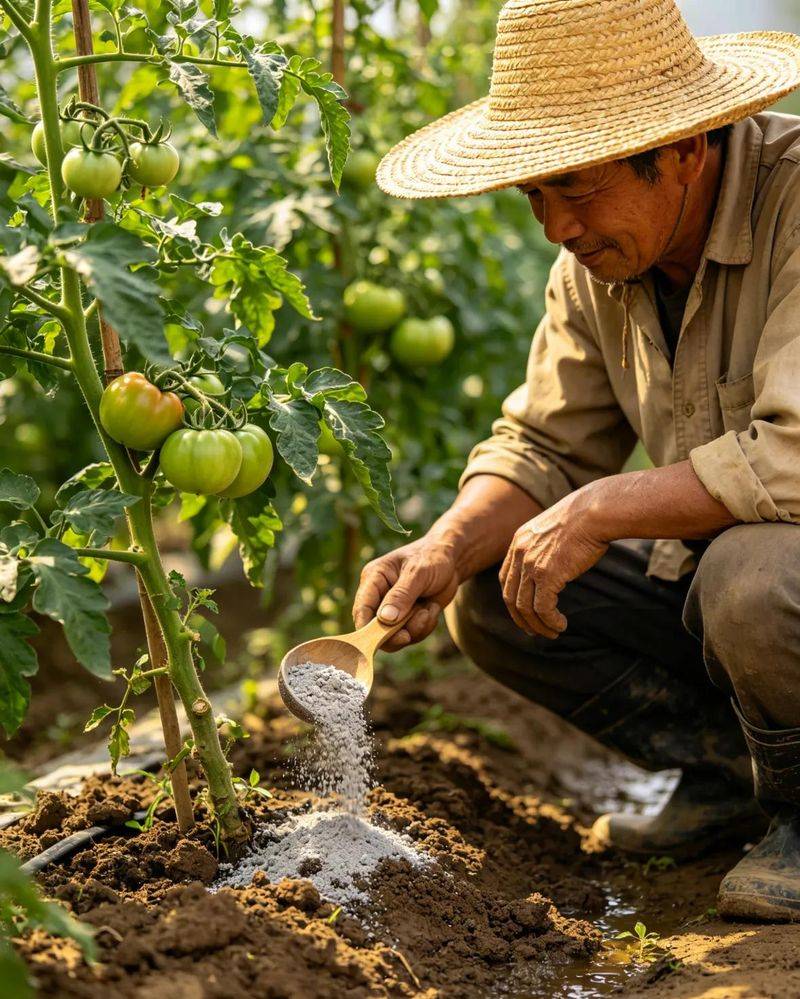
In combination with grass-roots agro-technologies and the many years of hands-on experience of old vegetable farmers, priority is given to the filling of potassium and calcium fertilizer during the expansion period to reduce nitrogen fertilizer use. The usual grass-wood ash used by farmers is natural potassium fattening, with a shallow layer of water spread over the plant's roots, which can be used both to replenish potassium for inflation and sweetness and to regulate soil alkalinity; it can also be accompanied by corrosive corsets, farm fattening, and a small amount of phosphate-dihydrate applied at around 10 days ' intervals. Calcium fats are effective in preventing umbilical disease, fibrosis, and make the skin tight and the meat thin. The total reduction of nitrogen fertilizer inputs, the concentration of nutrients on the production of fruit, the smooth expansion of fruit, and the consequent effects of ripeness on meat and water, and the gnawing of its honey。
Iii. Completely completely, introducting color
Tomatoes are growing and growing, with a constant rise of side branches, breaths, too many leaves on the bottom, yellow leaves, dense leaves, which consumes a great deal of nutrients, conceals the light, and affects the rotation of fruit and the accumulation of sugar. A large number of farmhouses are not allowed to pick leaves and feel that the leaves are full of fruit, which is counterproductive, resulting in uneven colour and poor taste。
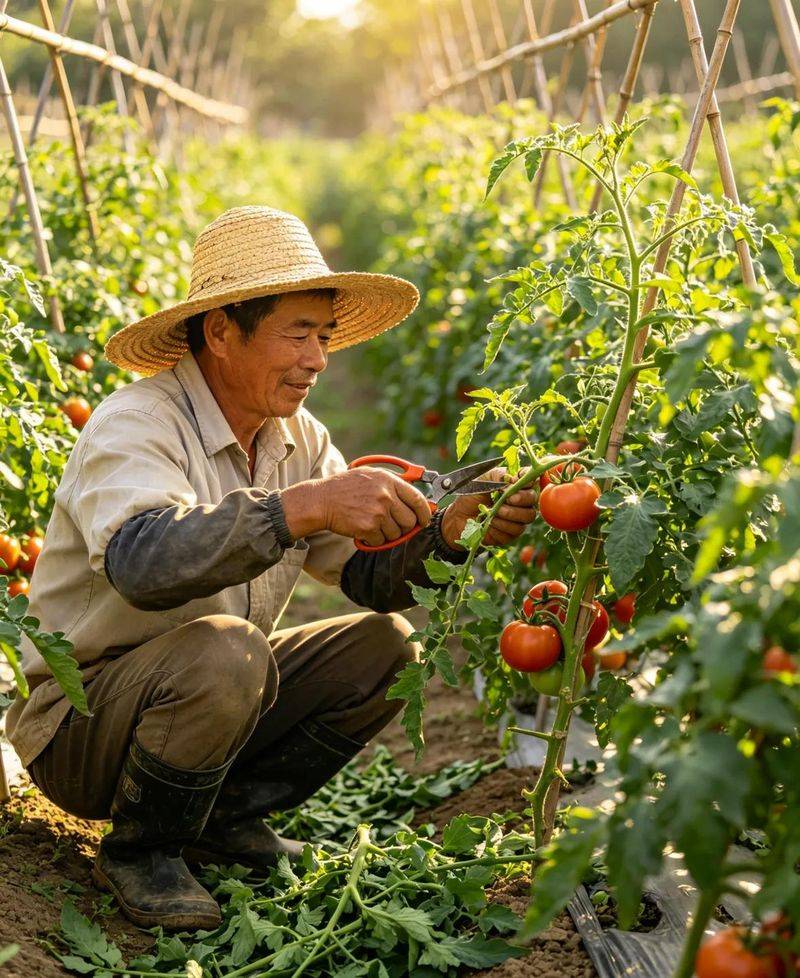
In day-to-day management, spare branches and inert armpits are to be removed in a timely manner and the main chicken is to be preserved for normal results; yellow, dry and ill leaves are to be removed from the base of the plant, and the dense leaves around the fruit are to be properly removed and the field is to be radiant. Sufficient light accelerates the conversion of fruit luminous and sugar, so that tomatoes are evenly red and fruit and sand sweet. The whole leaf is not excessive, only the inert leaves are removed, and sufficient functional leaves are retained for photocooperative purposes to avoid excessive leaf removal affecting the growth of the plant。
A sweet hint
This paper, taken together with the summer tomato expansion key farmers, draws on official guidelines on green growing techniques for vegetables, grass-roots agrotechnical guidance and experience in field farming, to serve only as a reference for crop management, without any agricultural extension or commercial marketing. Climates, soils and varieties vary from region to region and are flexible in the light of actual trends。
Disclaimer
This paper, which is only shared by the ministry of agriculture, does not constitute a recommendation for professional agricultural guidance。
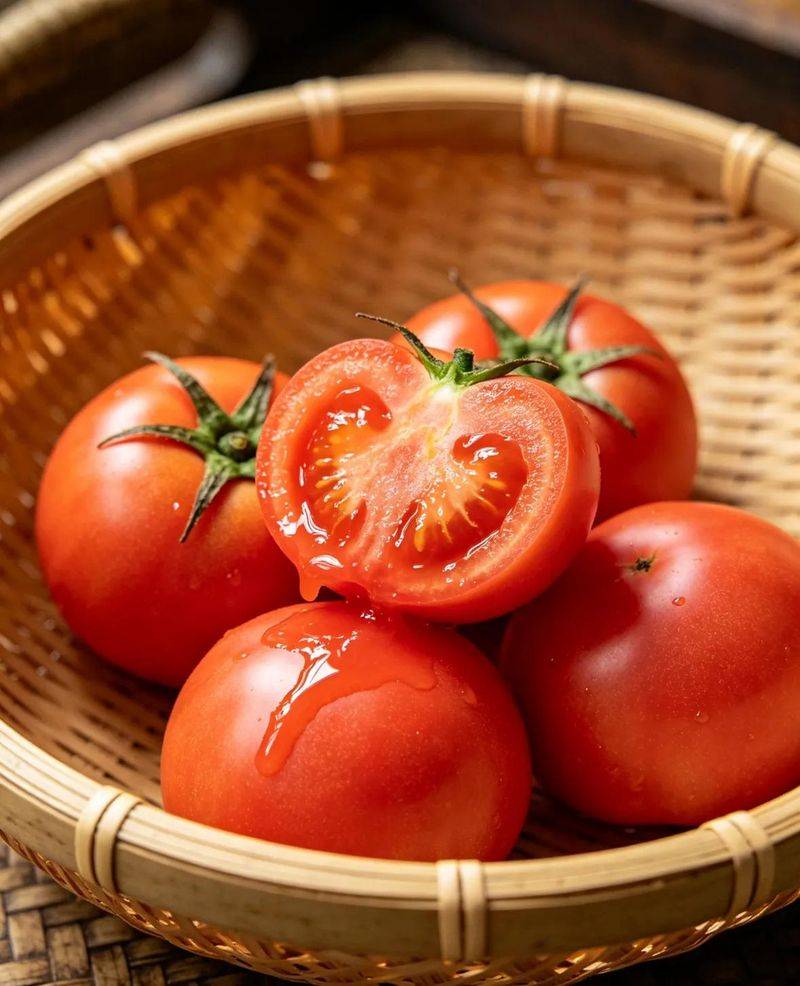
Tomatoes want good, sandy honey, not so much fertilizer, but finely managed during the expansion period. Water control, fattening and wholeness are done well, and the quality of the fruits can be improved without high-cost inputs, with greater advantage in terms of food and marketing。