1 rice origin and species selection
The place of origin should be in a good environment where air is fresh, water is clean and the soil is not contaminated, and should be far from urban areas and roads. In addition, high-yielding, integrated and reversible medium- and early-advanced varieties, adapted to local environmental requirements, should be selected according to the environmental conditions of the site and the quality of the seeds should be above standard。
2 cultivate the seedlings
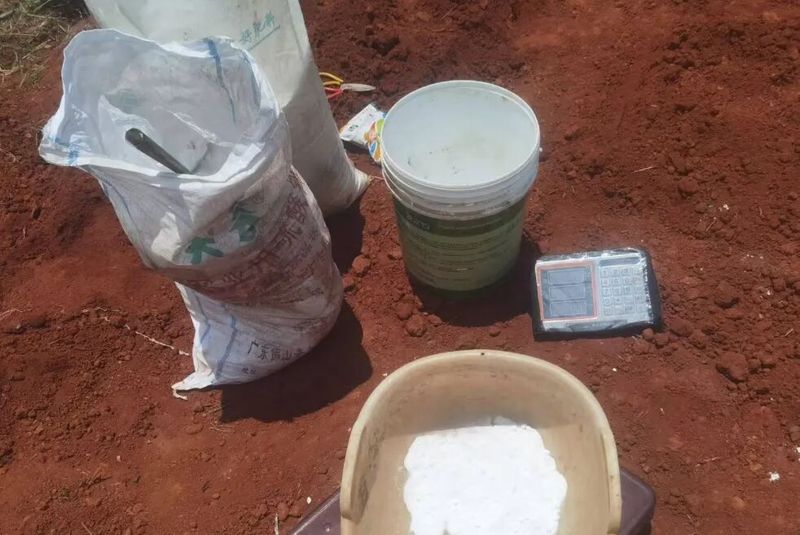
First, before seeding, fields prepared for seedlings are selected for flat ground, fertile ground, windy sun, near water sources and well-drained fields. The field is managed in a single shed, with the application of a sifting of non-hazardous agrochemical fertilizers, a vopoda stimulant, which is evenly mixed with the prepared dry sifted fields, and is distributed on a nursery bed of about 10 cm thick, so as to saturate the soil。
After seeding, the temperature is managed, ventilation starts at 9:00-15:00 on windless days, the temperature of the shed is controlled at 25°c, and in a few days, the temperature is controlled at 20°c, so that the night cover of the day is lifted and the cover is increased in case of low temperatures. In the future, there is a shortage of water in the nursery bed, which can be filled with water in the morning and at the end of the day, so that the plant can grow. And there's water on the bed side to dry the bed in time。
Three must move in time
Between 15 and 25 may, the implants were made when the seedlings were about eight centimeters tall. The seedlings are carefully inserted into the paddy fields, in an orderly manner, and when the seedlings grow, they are taken care of, and weeds, fertilizers, and insects are uprooted. It's usually three to four per den. The depth of the plug cannot exceed 2 cm, otherwise it will affect the partition。
4 fertilizer water management
In order to be able to irrigate in the production of rice, the following three measures are needed, one of which is to protect the water layer. The edifice of rice is a time when there is a high biological demand for water, when the field must maintain the layer of water and provide sufficient moisture for the rice; the second is that the layer should not be too large; the edifice overstretched between the ambassador's sub-paddy should be overstretched and thin, not only easily inverted, but also in small sections of the base, with small specks, so the edifice of the edifice should still be irrigated. Thirdly, attention should be paid to soil aerobics, and the estuarine stratification period is also a period of booming growth and growth of the root of rice, both in terms of deep and deep development and in terms of large branches. However, because of this high temperature, the soil is prone to strong reductive reactions in flooding, creating harmful substances that endanger the root systems of rice, causing root decay and premature decay. Therefore, while maintaining the water layer, special attention should be paid to soil ventilation。
Five bugs
The chemical agent must be used in accordance with the ny/t393 guidelines for the use of green food pesticides, with the choice of low-toxic, low-residual pesticides and only one use per synthetic pesticide during growth。
Insects can drown in the water by manual morning brooms or branches. For paddy subleasing flies, shallow water irrigation can be used at the time of occurrence to avoid foliage and contact with the surface, while removing the seedy grass from the pits. They can also use rice fields to feed ducks。
Weeding is dominated by artificial weeding, followed by a dredge, a pool is closed for weeding, followed by a deep and shallow water alternation to control weeds, and by manual weeding one to two times before 10 july. 6 accomplishments in due course。