Scientific management is a strong guarantee of efficiency among rice-producing farmers as science fields continue to develop, and rice production continues to increase. Several effective methods of increasing rice production are described below。
First, the purpose of rice farming is to create a good soil environment for the development of the root systems of rice by a variety of means, such as flooring, dredging, etc. Paddy seedlings are rapidly growing, absorbing water and nutrients quickly and forming productive seedlings quickly。
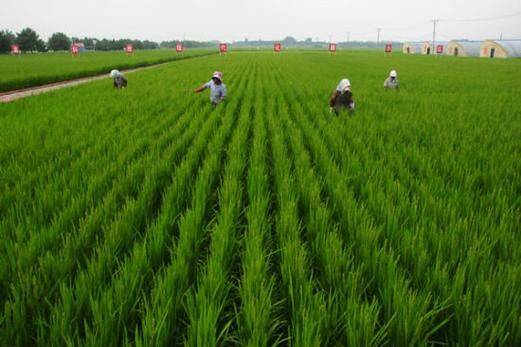
Second, the movement of cultivation is better than that of the north-west, which is related to the rise and fall of the sun east-west: the first is the improvement of the light status of rice strains and the improvement of photo-efficiency. Second is the improvement of the small field climate, which is conducive to the improvement of the water temperature in the field and the development of the strain。
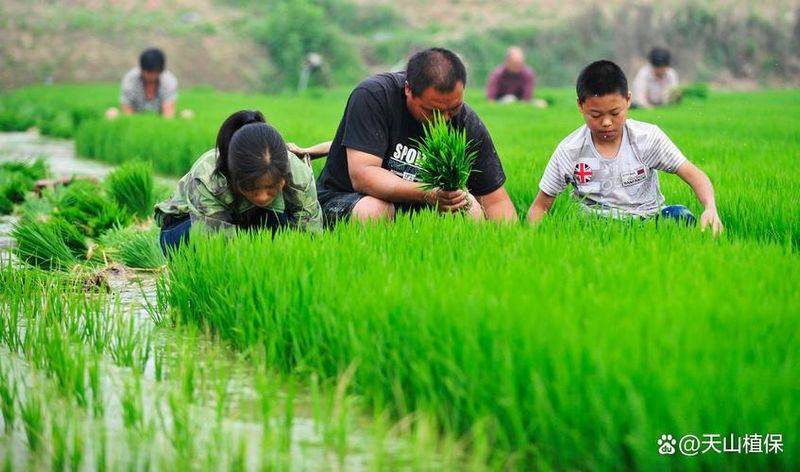
Thirdly, the quality of paddy incubation has a significant impact on seedlings, the slowness of recovery and the high and low production of early and late splits, with attention paid to shallow, straight and steady planting, including mechanical incubation, which has the advantage of keeping the roots at a much warmer shallow layer of the earth, contributing to the nutrient absorption and growth of the roots, and contributing to the occurrence of fractions。
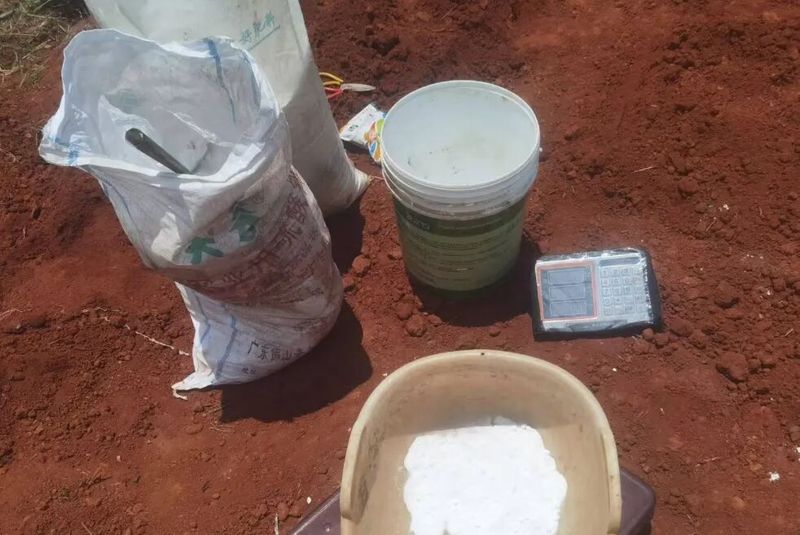
Iv. Rice fields are grown year after year to absorb not only large amounts of micro-elements such as n, p, k from the soil, so that inorganic fertilizer alone cannot meet rice production needs, and organic and inorganic fertilizer must be applied in combination。
5. Early intervention in due course refers to early intervention within the duration of the intervention period, which can contribute to the early birth and early onset of early growth and longer-term nutrition of rice. In particular, late-maturity varieties are more likely to be fully divided, with a combination of early and timely incubation and the planting of strong and reasonably rare seeds to achieve higher yields. It's usually early in the middle of may。
Vi. The modern high-yielding cultivation of rice emphasizes the need for low-sprout cultivation, the quality of seedlings and the rapid growth of plants. Neither morning, medium nor evening rice requires deep-saping water protection. The best way to do so is to flatten the shallow tillage, with shallow planting, five to seven days after planting, so that the fields are naturally dry, so that the base fat cannot easily be drained, gas can be more coordinated, light water can be pumped, water can be coordinated, so that the water can be fertilized, so that the root can be used to promote development。
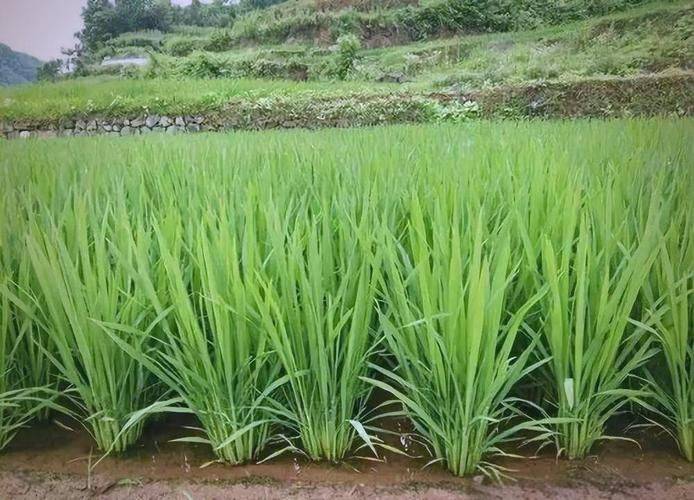
Seven, according to the saying, “sown the may without the june plume” paddy, which was planted after a period of stagnation to a period of gradual recovery. In the case of a single-season rice, it usually takes 5 to 7 days, with about 10 days after the planting, 20 to 25 days to reach the peak period, 30 to 35 days to reach the maximum period of 20 days, while the entire field is usually divided into 20 days, while the effective duration of the split is only 5 to 10 days, with the maximum being around 15 days, and the growth of the paddy in two respects. The first is a long leaf in the ground and the second is a long roots in the ground, which form a strong root system. Because of the fragmentation and growth of a large number of trophic organs, there is a need for a greater supply of nitrogen nutrients, showing the reproductive characteristics of nitrogen metabolism in rice. So it's also called growth. The rice plant is well developed and absorbs more nutrients. It is a critical period for the promotion of early separation and for the development of healthy growth. The budding of the root of rice, its stretching and all physiological activities require sufficient oxygen。
8. While the greatest demand for water in the long ear is ensured to meet the demand for water from rice, during the entry of rice into the long ear, the general temperature is higher, organic matter is rapidly decomposition, micro-organisms are active and oxygen-consuming, and the accumulation of toxic substances tends to be detrimental to the growth of root systems, which in turn requires that water not be inundated for long periods of time, so that shallow water is properly built on the extraction and management of the long long lobes, with good air quality being maintained, and surfaces are properly constructed at the end of the period, with the use of dry water and fresh water pipes coordinated underground until maturity, especially in the case of large scavenger varieties, it is less appropriate to cut water prematurely during the simmering period in order not to reduce yields, and when the yellow is ripe, the physical needs of the paddy are reduced, usually drained around seven days before the harvest, to facilitate harvesting。