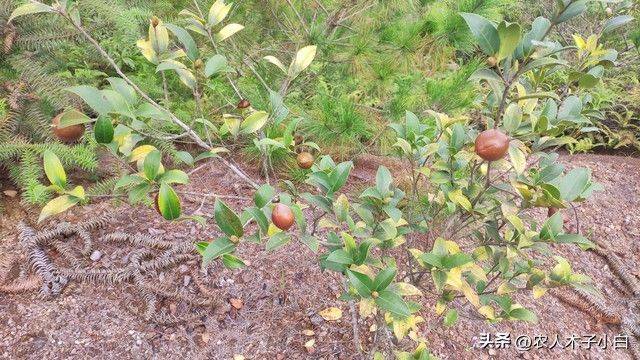
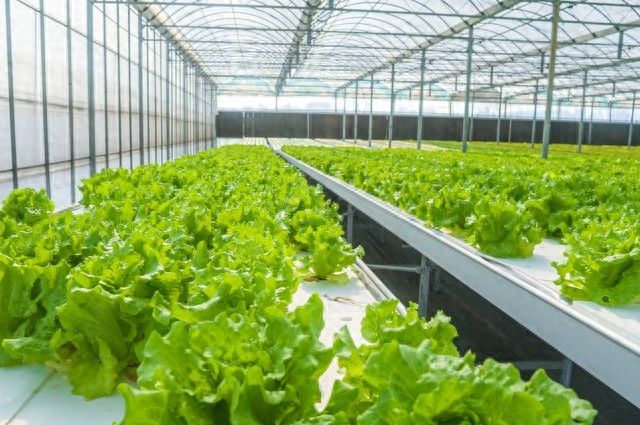
During the first year of the oil and tea seedlings, one of the core objectives of care is to keep alive, promote roots and grow steadily. As long as the seedlings are grown in the first year, the teas in the back end result in early and high production, with fewer turns。
Mainly there's this 5 o'clock down here, and everyone has to remember。
Water management: planting is the first key
The first year of oil and tea planting was weak, dry and flood-prone。
The soil is wet for a month, and when the soil is white, water is watered in time; in the south, the rainy season must be filled with drains and water must never be accumulated in the ground, and oil and tea seedlings can easily rot。
During the high-temperature dry season, straw, grass-protected cloths can be covered and wet and cooled。
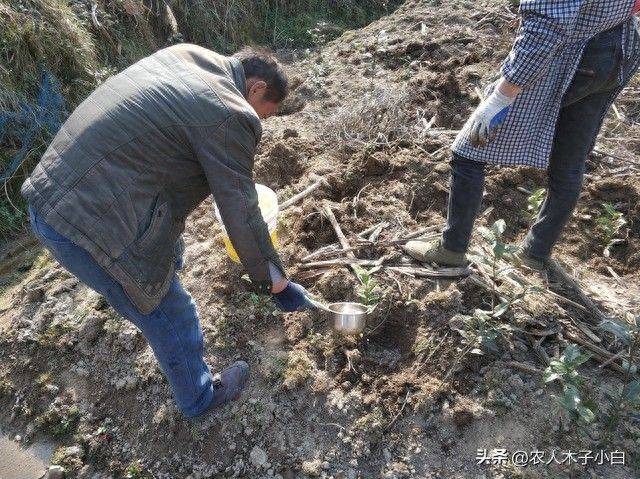
Ii. Fertilisation: bounty and hard work, no burning
The first year of oil and tea is small, so don't apply heavy and heavy fat。
No fertilizing for a period of 1-2 months after planting, until the new steps begin to grow, and the roots have been restored, and then the thin water or compound fertilisation is applied。
The method to be followed is small, diligent and far from the roots。
Care is taken to control nitrogen fertilizer use after autumn, to avoid stings of oil and tea seedlings and to be more freezing in winter。
Weeding: the most important thing in not to hurt the roots
Teenage trees are the most afraid of strong grass, but weeding tends to damage roots。
When weeding is done, weeding is done as much as possible, so as not to flip deep and avoid cutting the roots of tea seedlings; weeds around the plate must be removed。
Conditionally, they can be covered with straw or straw, without injury。
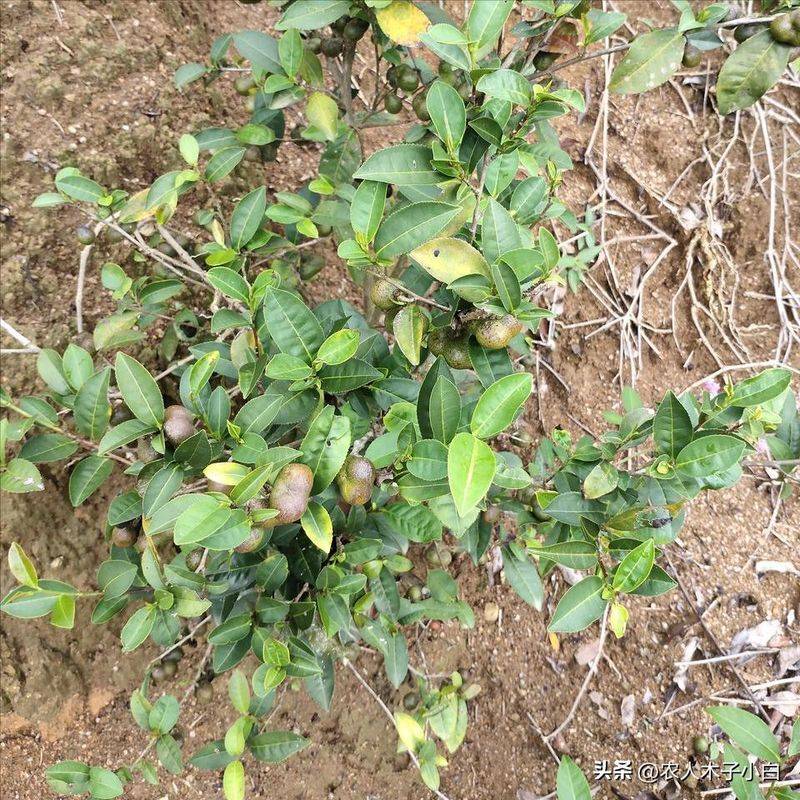
Iv. Dried plastics: early stereotyping, early outcomes
The first year of oil and tea planting is simple plasticization。
In general, 40 to 60 centimetres of dryness are kept above the marriage interface of the saplings, and three to four branches are selected for the main branch, which is balanced and robust。
The long branches, the thin branches and the overstretched branches must be properly removed so that the oil and tea crowns can be opened, accessible and not crowded。
V. Insects and anti-frozenness: early prevention of small diseases
The first year of oil and tea planting is less resistant, with a focus on the pests of leaf-resistant blades and the disease of the stem base。
Where winter temperatures are low, proper root protection can be provided to prevent freezing。
Concluding remarks:
The first year of oil and tea cultivation is regulated by the requirements of wetting and water, thinness and non-harming roots, weed removal, non-disturbation and early disease prevention, with high and high rates of oil and tea production and a firm foundation for early fruit。