Forklift training theoretical knowledge is essential for forklift workers to understand the basic structure of the forklift, the working principles, the operating protocols and the method of troubleshooting。
The theoretical knowledge of forklift training is detailed in four areas。
1. Forklift basic structure
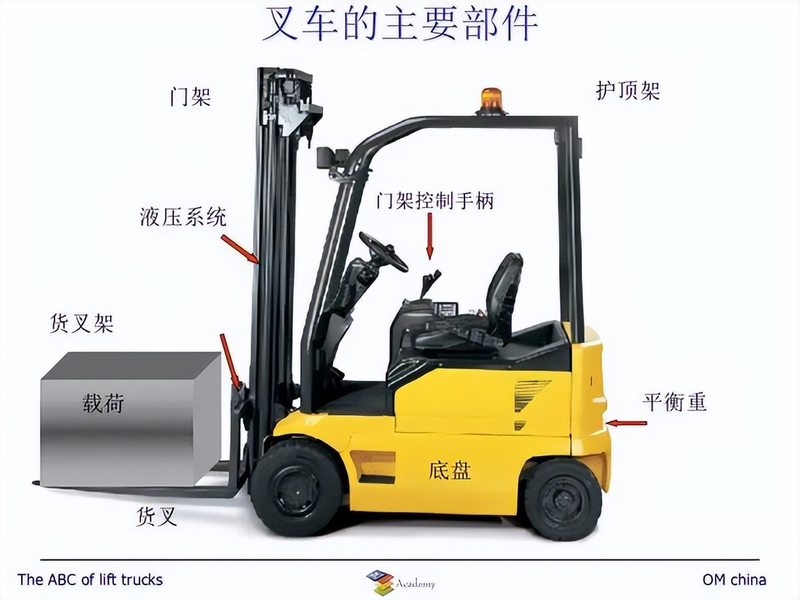
Forklifts are motor vehicles with forklifts, which are used mainly for handling, stacking and handling materials at short distances。
It consists mainly of four components: power systems, chassis systems, work units and electrical systems。
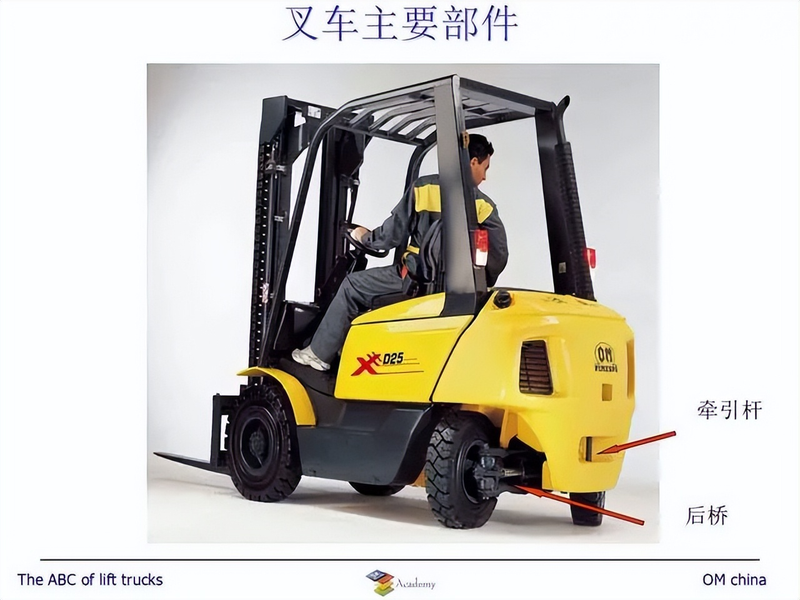
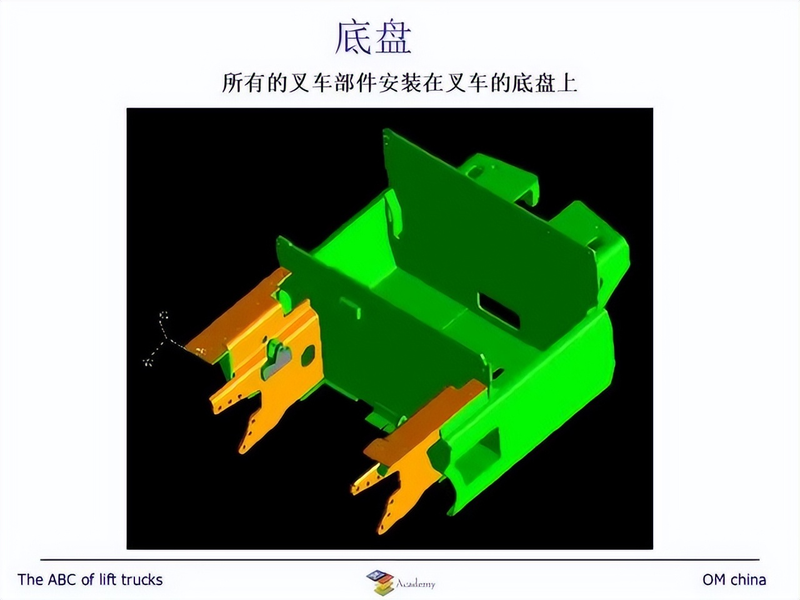
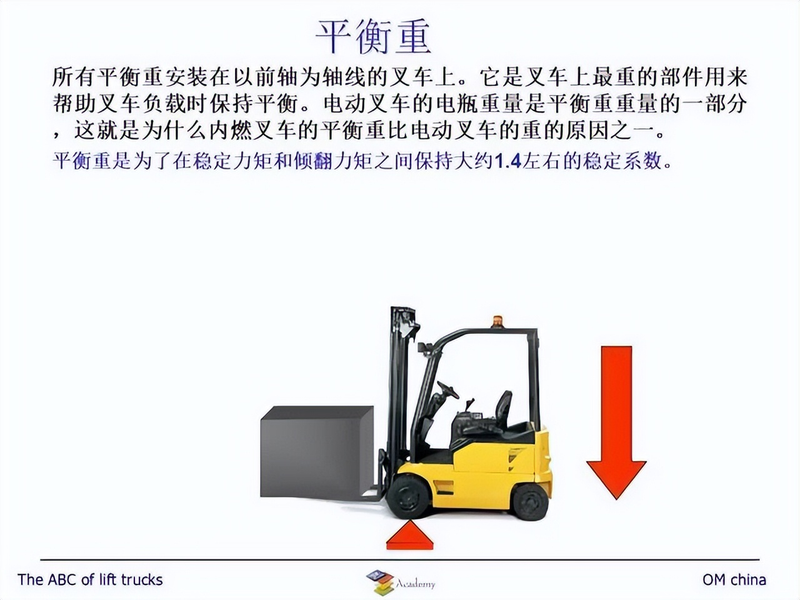
Power systems include engines, transmission systems, walkers and wheels; chassis systems include body, frame, hanger and brake systems; working devices include forklifts, fork racks, door racks, lifters and tilters; and electrical systems include power, circuit control and electrical components。
2. Forklift working principles
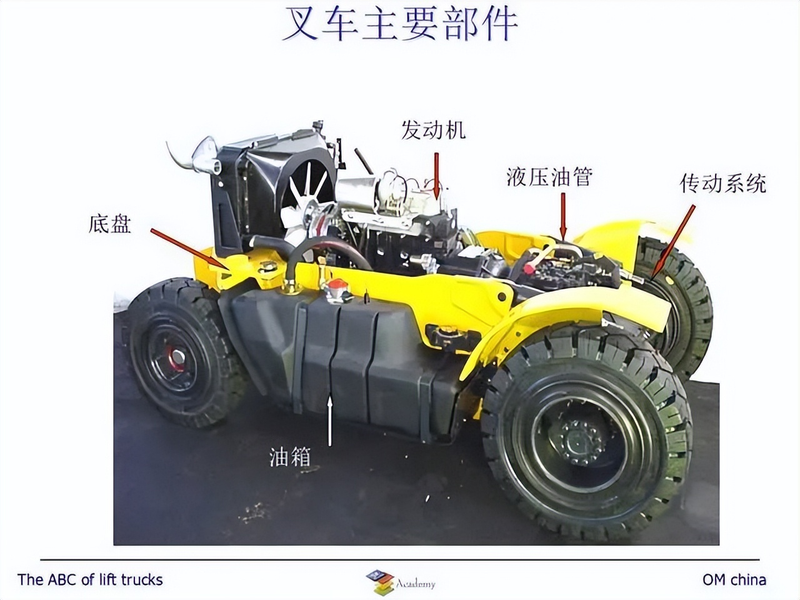
The forklift works mainly through a chassis system, lifting, tilting and forklifting the work unit。
The specific processes are as follows: forklifts are driven by motors passing power to walkers through a moving system; operators control the movement and speed of forklifts through manoeuvring poles; lifters and tilters drive forklifts up and down and back through hydraulic systems to achieve material handling and handling。
3. Forklift protocol
The driver of a forklift, while operating the forklift, is required to note the following:
(1) strict observance of traffic rules and safety protocols
(ii) checks for the regularity of the parts of the forklift to ensure their safe operation
(iii) proficiency in the performance characteristics and technical requirements of forklifts, so that they can be operated with proficiency and accuracy
(4) to observe the surrounding environment and movement of persons and ensure safe operations
(5) in the event of an emergency, a calm response and an emergency response should be taken。
4. Forklift troubleshooting method
The forklift may have various malfunctions during its operation. Common causes of failure are hydraulic system failure, electrical system failure, mechanical failure, etc。
In case of failure, the power supply should be checked for normality and the potential failure point should be removed on a case-by-case basis。
Common exclusion methods include replacement of parts, adjustment of gaps, cleaning of hydraulic systems, etc. Forklifters should have some maintenance skills and experience in order to resolve problems in a timely manner and ensure their safe operation。
In conclusion, the theoretical knowledge of forklift training is the basic knowledge required of forklift workers。
By learning the basic structure, working principles, operating protocols and troubleshooting methods of forklifts, forklifters are able to improve their operational skills and safety awareness and provide strong safeguards for material handling and handling。