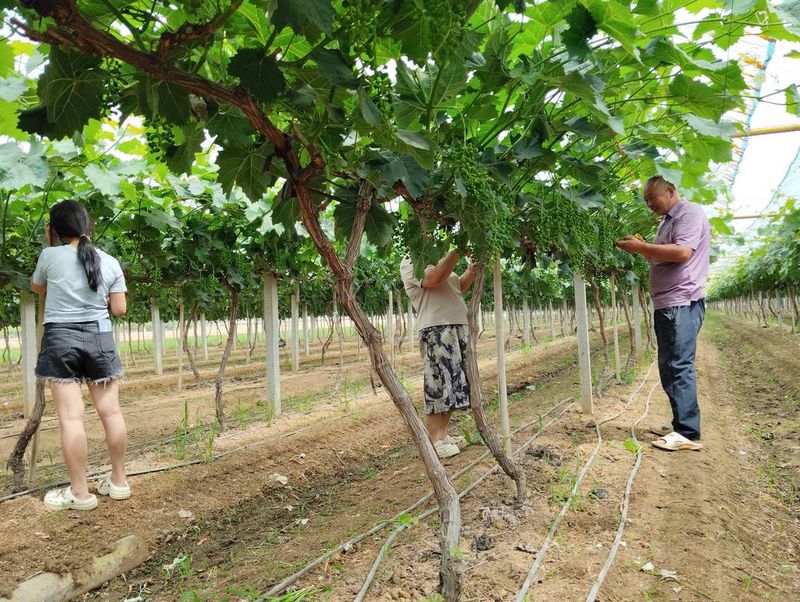
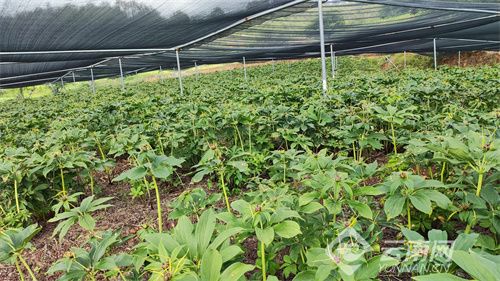
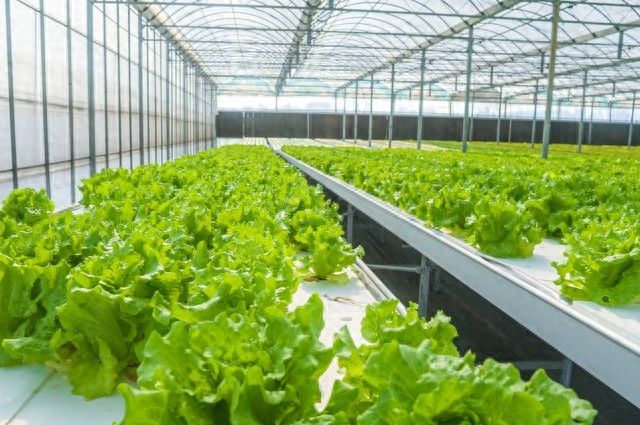
Guangxi news network, a poor family in the village of grandcan in the silver sea district of hokkai city, has recently been planning to expand three acres of large-scale melons in order to lay the foundations for prosperity. Last year, yao guangfang self-financed production of three acres of corrugated melons generated considerable income, and a further three acres are planned for this year, with a net income expected to exceed $60,000. She will receive 30,000 yuan in subsidies for the construction of new sheds, in accordance with the award policy introduced by the city of north sea。
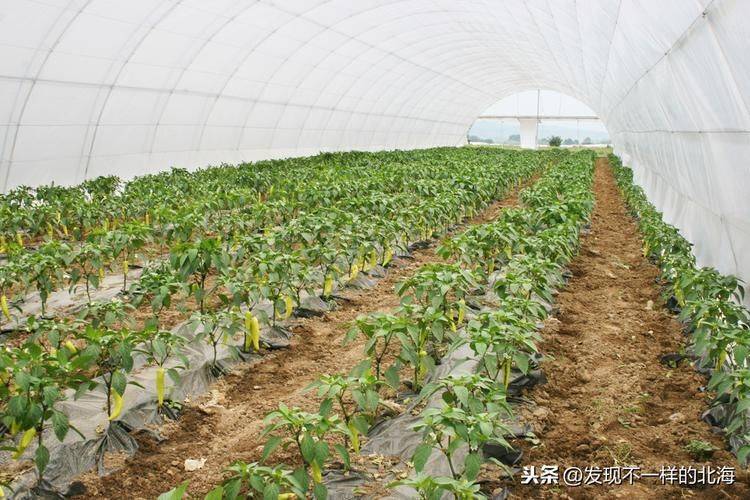
With a view to creating a large shed industry, promoting the upgrading of agricultural branches and helping to combat poverty, the north sea rural development department has developed the programme for the implementation of the north sea city large tree and vegetable industry project (pilot), which is scheduled to devote three years of financial resources to the construction of 30,000 acres of large-scale fruit and vegetable production, bringing the growth of the whole city to over 50,000 acres. In accordance with the policy, the north sea city finance and district finances provide incentives for the construction of new sheds at the rate of 10,000 yuan/acre, and priority will be given to financing incentives for projects that drive poor households and boost industrial poverty alleviation. At present, the municipality has secured $70 million in financial resources。
The director of the north sea rural agricultural authority, von guangcheng, told journalists that the production characteristics of the production industry are high-yielding, energy-efficient, water-saving, dieting and green development, which can increase the efficiency of cropland benefits, early breeding, early planting and pre-market prices. The north sea sheds are now growing melons with an average acre production of more than 3,000 kilograms per acre, with an acre production value of 1. 5 to 20,000 yuan, and twice a year, with a product value of more than 30,000 yuan。
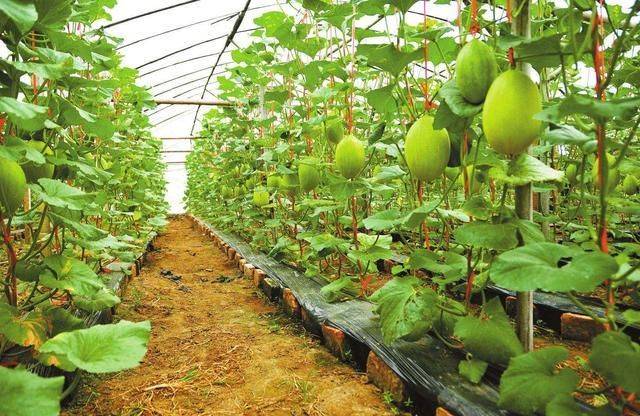
In recent years, bush and vegetable cultivation has become the dominant sector for farmers in the north sea city, not only increasing the income of poor households to develop their own industries, but also addressing the problem of the proximity of surplus labour to employment. The silver sea hills village, a poor village that emerged from poverty in 2018, was built in october last year by the local government through a business venture to introduce china's leading local vegetable company, shandong luxu sculptor biotechnologies limited, the state-of-the-art modern fruit and vegetable shed in the north sea, operating under the model of the “front + base + farmer”. In total, more than 70 villagers were hired to work in the sheds, 20 of whom were poor, and in 2019 the income of poor households had increased by over 1,000 yuan per household. At present, more than 210 acres have been planted in more than 40 large sheds, all of which can reach 4,000-5,000 kg/acre for each of them, 5,000-6,000 kg/acre for tomatoes, 4,000 kg/acre for rough melons and 4,000 kg/acre for peppers。
Despite the high economic benefits of bush and vegetable cultivation, many farmers, especially the poor, are unable to bear the price of about $20,000 per acre for the construction of the shed. With the introduction of a compensatory policy in the city of north sea, farmers actually had to invest 10,000 yuan/acre, which encouraged poor households and large numbers of growers. Following the publication of the programme by the north sea city agricultural and rural directorate, the relevant directors of the rural and agricultural directorates of the counties organized a presentation and promotion meeting on the award of a large-scale fruit and vegetable industry to mobilize the eligible subjects for voluntary declaration. Once the new shed has been approved, funds are allocated semi-annually。
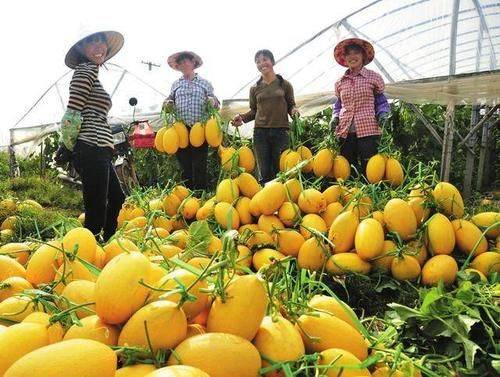
Based on a mapping exercise, a total of 18,000 acres are currently intended to be built throughout the city in the north sea, and 13,000 acres are planned for this year. Work has begun on the construction of 1302 acres, of which 98 are for poor households and 317 acres。