As mobile devices become deeply integrated into the lives of young people, the telecommunication network fraud of school students is currently high. In recent days, with a view to effectively improving the financial risk-prevention capabilities of young people, the bank of guangxi launched a special awareness-raising campaign entitled “accompanying and caring for development”, focusing on high-profile games, impersonating acquaintances, false middle school awards, etc., to help young people build secure property lines。
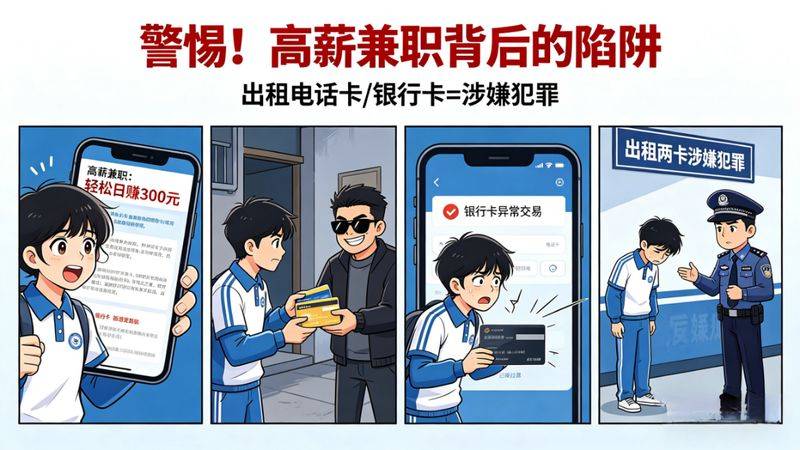
The campaign examined two types of typical “school traps”: frauds that lure young people out of formal platforms by means of “low-skin, high-priced harvests” and then fraudulent online games in the name of unfrozen money, bonds, etc.; frauds that lure them into renting telephone cards, “high-paying part-time” traps of bank cards, which take advantage of the lack of social experience of students, and expose students to legal risks。
The financial insurance commissioner of the branch communicates to young people the core points of protection: the “three nos” principle of non-clicking on strange links, non-disclosure of personal information, non-disclosure of payment codes; “verification” in relation to transactions involving the identification of the other party through reliable channels; immediate notification to parents, teachers in case of suspicion; and prompt response mechanisms for anti-fraud lines。
The head of the south central and central central bank of the bank of guangcai said that young people were at a critical stage in building financial awareness and that we wanted to help them learn about fraud through systematic knowledge. The bank will continue to fulfil its financial insurance responsibilities by focusing on youth financial security education through school, cloud class, etc., and by linking families and schools to build a “triple” safety net to build financial security barriers to the path to youth growth