“of all the luminous aerobic organisms, chlorophyll in the leaves has two absorption peaks for solar light, namely blue light near 420 nm and red light near 660 nm, respectively. The principle of luminous fasting is to use the light co-operation of plants to adjust the spectrum so that plants can fully absorb red light and blue light to meet plant growth.” introduction by the head of electron in the country. It is known that electronics in the country, developed over a one-year period on the basis of the established led technology of the enterprise, now produce 20 or 30 small-leaf vegetables and vanilla plants, which are in the process of marketing。
High value added herbs will be developed
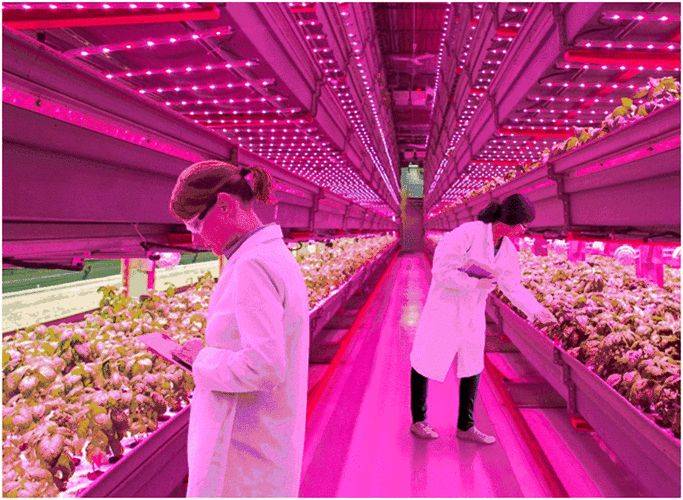
In addition to providing for small-scale farming pleasures for families, the national electronics has also begun to build “vegetal plants” for restaurants, farms and so on to meet the urgent development needs of modern agricultural facilities。
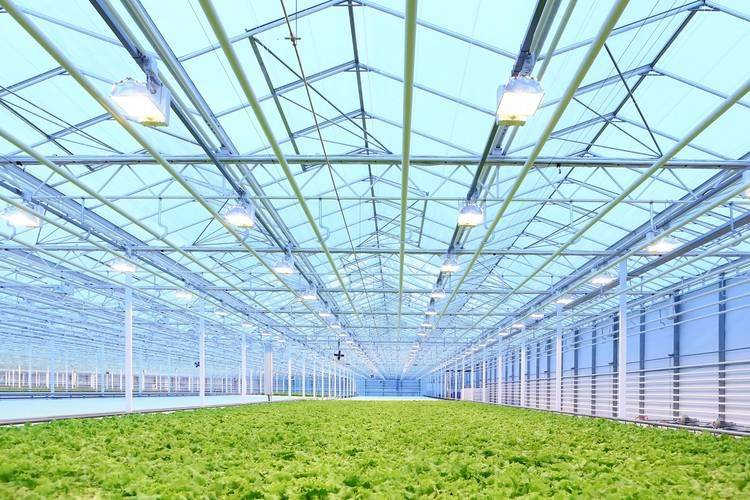
In march of this year, it was reported that the national electronics and the east china metropolitan agricultural research institute signed a joint “vegetative plant”, using natural solar light and energy-saving led lighting, along with stereo-planting technologies, and the real-time control of led light sources and greenhouse-controlled temperature facilities through the smart automated environmental control system, supplementing the shortcomings of poor co-operation in rain-fed plants, making full use of natural resources, saving energy consumption and effectively stabilizing yields and increasing crop yields。
At present, the project is well advanced, with 1,000 square metres of “vegetative plants” already being planted with 20 or 30 varieties of vegetables. “as a result of the long pre-manufacturing technology, the entire plant has actually been in operation for about a month, and some studies have not yet been produced, although it is certain that the day-to-day vegetable intake of natural light, the use of led lighting at night has significantly reduced plant growth cycles, and studies on nutrients and ice-resistant rates are still being tested.”。
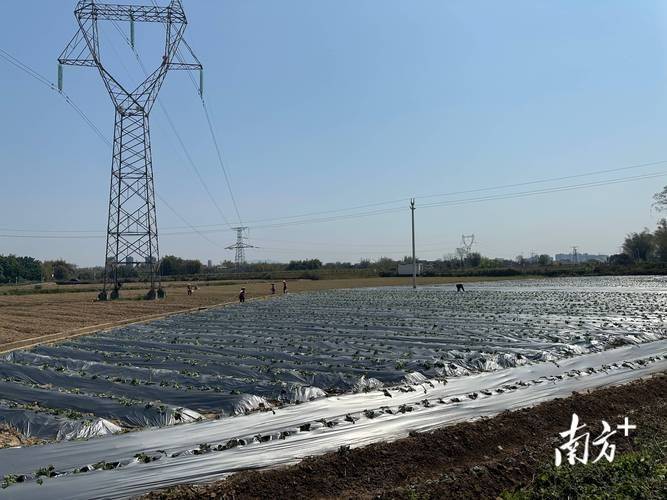
“as the luminous products are new, ordinary consumers are still at the market-seeing stage, and it will take some time for the real opening of the market.” it is understood that the sunny is now walking on line “two legs” on the line, where a cooperation agreement has been concluded with sunin and where the development of the “front shop” model has been actively developed in partnership with the green leisure restaurant industry. At present, with the exception of organic non-toxic vegetables, electron is also using this growing technique to grow a higher value-added chinese herbs, a range of which is expected to be developed in 2016。
20 years later, plant plants or 30% of vegetables
The global production of plant lighting for led applications was described as growing at a high rate from 2013, with preliminary figures of $100 million in 2014, 2017 or $500 million. As the global penetration rate of agricultural lighting for led applications has risen, the chinese market has slowly emerged and prospects for future markets are wide。
At present, china is the world's largest producer of vegetables and fruit, but so far the market for led agricultural lighting is only in its infancy and market demand is increasing every year.” according to statistics, there are currently only over 80 led agricultural lighting enterprises in china. Guangdong is the main province in the distribution of led agricultural lighting enterprises, with a national share of 82 per cent. Most led enterprises in guangdong focus on core competitiveness and differentiation of brands, combining led lighting with agriculture, and opening the market to the blue sea, which is one of them.” the responsible officials indicated。
There is confidence in the domestic market prospects for led agricultural lighting, the electronics of the country. It is expected that, after 20 years, the replacement of organic vegetables grown by plant plants, using agricultural lighting, will amount to 30 per cent of vegetable cultivation, or 100 million acres, and produce more than 20 million tons. “the average price of organic vegetables, which are four to five times higher than those traditionally grown, is estimated to be 150 billion yuan, a trillion-class new industry.” on the basis of demand for 18,000 led lamps per 10,000 square metres, the 100 million acres of cultivated land would generate a market demand of 120 billion led blue light. Of these, family-type plant-growing boxes, calculated at a rate of 10 per cent, can reach a market demand of 150 billion, with an emerging market of 500-800 billion family-sized plant-growing boxes, based on industry-side demand three to five times the chain。