Sugar cane
I. The culture environment
1. Weather conditions: sugar cane is a year-old subtropical and tropical herbivorous crop, sugar cane is a radiant and warm plant with a frosting period of 300-320 days per year, 5500 to 8,500 degrees per year for temperature accumulation, 900 to 1,500 mm per year for precipitation, 55 to 70 per cent per year for air moisture, 1,000 to 1,200 hours for light hours and an average temperature of over 18 degrees per year。
2. Land requirements: sugar cane is more suitable for the land. It is suitable for sand land, red and clay, with a ph of 4. 5-8. 0 and sugar cane of 6. 5-7. 5。
3. Eco-environment: sugar cane cultivation does not require a certain level of sea-allocation, but high-altitude areas have a relatively single ecological environment, with relatively few crops growing to prevent cross-fertilization of field management, while weather is stable and light is sufficient to prevent pests and diseases。
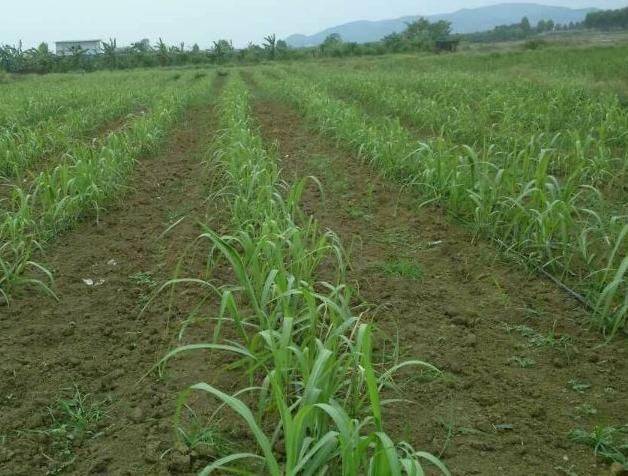
Sugar cane
Ii. Through throughs
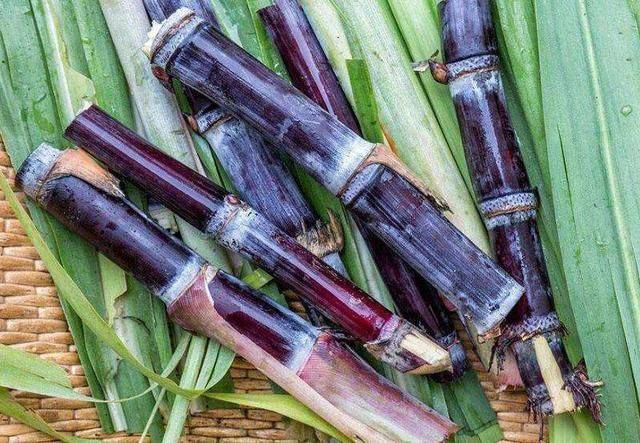
1. Selection of varieties: gumps such as west quote 7, west quote 29, west quote 3, new thong 10 and west quote 2 the sugar cane varieties are more mature and sugary, with higher market acceptance and easier economic outcomes. Of these, the type of sugar cane type 29 is selected because it is more solid and suitable for mechanical sugar extraction, while the others are more fragile and can be used as sugar cane。
2. Retention of cane: cane is available in spring at 700-800 kg per acre and can be planted at 4,000-4670 m per acre? Cebu cane is set aside on the basis of 100 kg per acre of sugar。
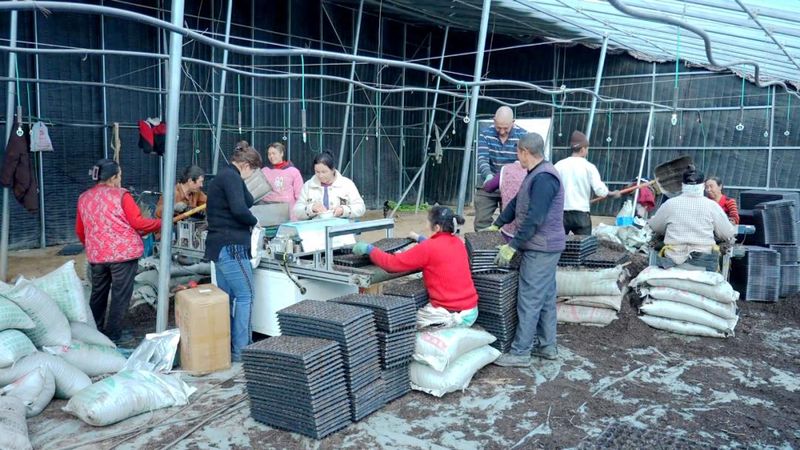
3. Recropping of spring cane: in early november or late november of each year, the selection of long, ill and infestable plots of land, which are to be planted by surprise after the rain, and the planned removal of sugar cane within 2 m of the area around which it is to be planted, the choice of a cane canal to be used as a cane cellar, and the digging of cellars inside the ground and the removal of the weedy mud from the scavengers。
4. Cebu cane: the advantage is that it is low-cost, saves 500-600 kg of cane per acre and yields about two months, and matures about a month or so, and can be marketed early and marketed for a year or so for a year or so, or 4. 5 t per acre。
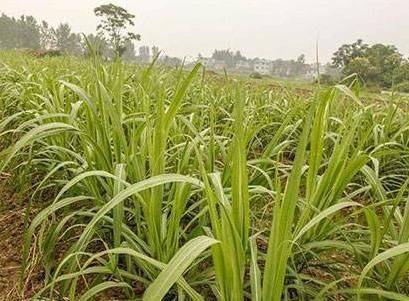
Sugar cane cultivation
Iii. Scrolling methods
1. Whole area fertilization: 100 kg of compound fertilizer must be applied per acre, 30 kg of ammonium carbonate and 3 kg of furan, and fertilizers must be mixed and mixed into the sowing ditch, followed by seeding。
2. Speculation: when seeds are selected, the leaves of the cane are to be removed and the seed of the insects and pests removed. In turn, mixed varieties of cane are to be purified and different varieties are to be cultivated separately。
3. Scientific seeding: when seeding, planting is carried out on the basis of broad and narrow lines. At 180 cm wide, seeding is carried out on the basis of 80 cm narrow, 1 m wide, usually 10-12 cm deep, and must be shallowly planted. Before seeding, cane should be divided according to the criteria of 3-4 effective buds per species. When sowing, the cane seed is pressed into the sown ditch, and the seed is sprung on both sides of the sown ditch, and on the same day the seeding is covered with soil, which shall be sorely splattered that it is two to three cm thick. The planting of seeds in february must stop before march if it is to be staged in the sun。
4. Duplicate herbicide: the application is based on the application standard of 30l atlazinc water per acre with 150 g acetamine plus 300 g following the rain, followed by timely reformation of the cane species to level the membrane to the nearest land, while the membrane margin must be covered with shredded soil. The moisture of the land is ensured prior to the membrane, and application of the membranes is not possible if it is insufficient. Herbicides are sprayed in the gutter before weeds grow。
5. Timely opening of trenches: usually, in january and february, it is necessary to open ditch asphalt and in march, it is necessary to sow. When opening a ditch, it is necessary to connect the gutter, the gutter, and the gutter, so as to avoid the spring watering down. You have to clear the ditches and drain them immediately. When weeding begins, weeding is immediately administered. The abandoned fish ponds are organic and humid and are well suited for sugar cane cultivation。
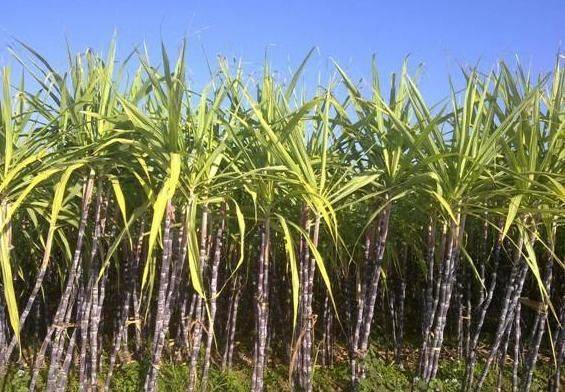
Sugar cane
Iv. Field management
Fatty: in spring, sugar cane is to be laid by the end of june, and in cedar cane by june. Once the sugar cane has been weeded, it's either eye or ditched. Buried fertilizer is based on the 100-kg per acre compound fertilizer standard for sugar cane, 50-kg capacitate ammonium, and spring cane is fertilized according to the 80-kg sugar cane compound fertilizer and 80-kg ammonium carbonate。
2. Shrimp detection: ensuring that whole seedlings are one of the conditions for production. However, factors such as poor handling or seedling selection, widespread distribution of the next method, malfeasance of the next period, pests or weather disorders, among others, lead to seed deficiency. Therefore, it is important to do well in refilling seedlings. During the replanting period: when the seeding is largely halted and the cane is growing with three to five leaves, if there is a deficit of up to 50 cm, the seeding should be filled immediately。
3 weeding at the right stage: before the sugar cane is closed, weeds are easily grown and nutrients are consumed to cover cane seedlings. It is generally cultivated on the basis of soil and is carried out manually. The usual herbicides are `atrazin' and `simazin', with 200-250g water per acre to be sprayed with soil before the sugar cane is grown, efficient and effective for up to three to four months, and one application can solve the problem of weed during the seeding phase。
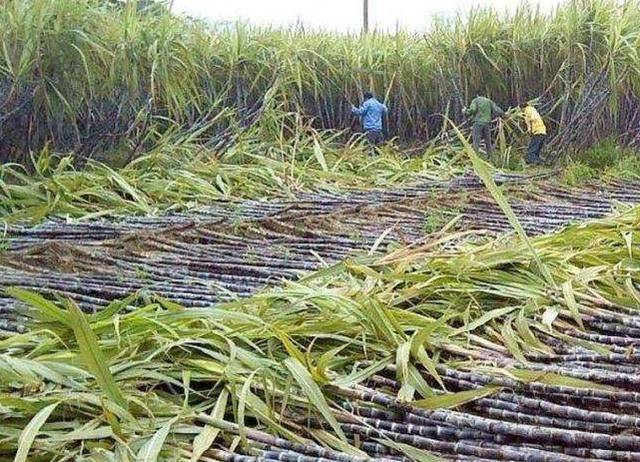
Sugar cane harvest
4. Drainage and drainage: sugar cane has a lifetime of high and unsustainable demand, and its overall demand tends to be `more in the centre, less in two'. That is, less water is needed during periods of desolation, maturity and infancy, and more water is needed for long-term extension. So the cane fields have to be `moist-wet' respectively. The southern weather is heavy in summer and autumn and dry in spring and winter. Thus, during the early stages of sugar cane development, water needs are low but increased. And when it lasts long, it rains, and it does not normally have to be poured. Around 80 per cent of yunnan's land is not more favourable, and although sugar cane is unsustainable, it cane cane cane cane cane cane cane cane cane, which leads to rotting roots and requires immediate drainage。
5. Leathering against falling leaves: along with the expansion of the cane cane, the base leaves are gradually dying from the bottom to the bottom, and the aging leaves are removed at the later stages of sugar cane's development with the effect of accommodation, sugar and increased production. In wet-hot cane areas, leaf peeling reduces the humidity of the fields and reduces the loss of side buds and aerobic roots for nutrition, and reduces pest and rat infestation. The evaporation of soil fattens is high because of the increased permeability of the cane fields by flaying leaves. Therefore, dry lands do not draw leaves in order to protect water from drought, while fields do not shoot leaves to ensure that cane buds are not compromised。
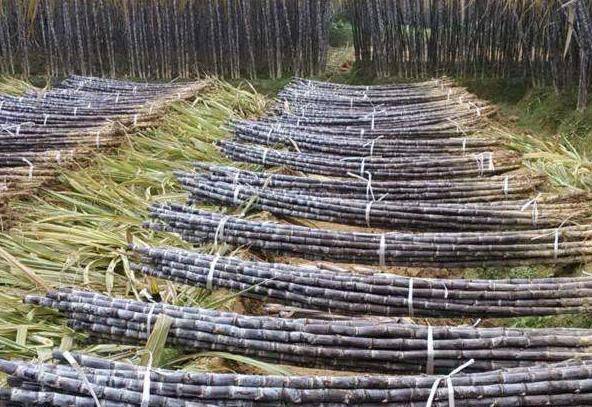
Sugar cane harvest
Ordinary sugar cane and pre-cooked varieties are ready for harvest around november and are to be collected and stored before freezing。