The construction of fire equipment requires attention in the standardized management of fire equipment
Julien
Ho and hott fire and rescue division, saihan district
Summary: in the standardized management of fire equipment construction, attention needs to be paid to the construction of fire equipment. Good maintenance of fire-fighting equipment can consolidate the level of fighting power of fire-fighting equipment and ensure the safety of life and property of the population. In the course of the maintenance management of fire-fighting equipment, it is necessary to determine how fire-fighting equipment is to be maintained in accordance with the specific operational processes and procedures, to develop construction ideas that are consistent with the fire-fighting work, to analyse the problems of fire-fighting maintenance management in this regard, to implement programmes that are in line with fire-fighting equipment regulations, to give priority to optimizing the level of construction and maintenance of fire-fighting equipment, and to provide solutions that are in line with fire-fighting regulations。
Keywords: firefighting equipment; maintenance management; countermeasures
Good maintenance management of fire equipment is the basis for ensuring fire safety, but maintenance management of fire equipment remains inadequate in fire management. Fire-fighting equipment is used in different standards, with significant discrepancies, slow replacement operations, lack of professional maintenance management staff, delays in the management of equipment maintenance, inadequate fire-fighting supervision and delays in the correction of damage. In order to improve maintenance management of fire equipment, an accurate analysis of the requirements for maintenance management of equipment in the construction of fire protection will be required to develop a response that is consistent with the maintenance management of fire equipment, taking into account the relevant operational construction standards and the actual software and hardware conditions for fire protection。
1 fire protection equipment and other maintenance maintenance management issues
The level of fire-fighting equipment is directly related to the quality of response to fire-fighting rescue, and during the construction of fire-fighting equipment, the basis for fire-fighting and rescue equipment needs to be determined, routine maintenance management managed on a realistic basis, and the management process requirements for actual fire-fighting equipment analysed and various problems that may arise。
1. 1 unreasonable storage of firefighting equipment
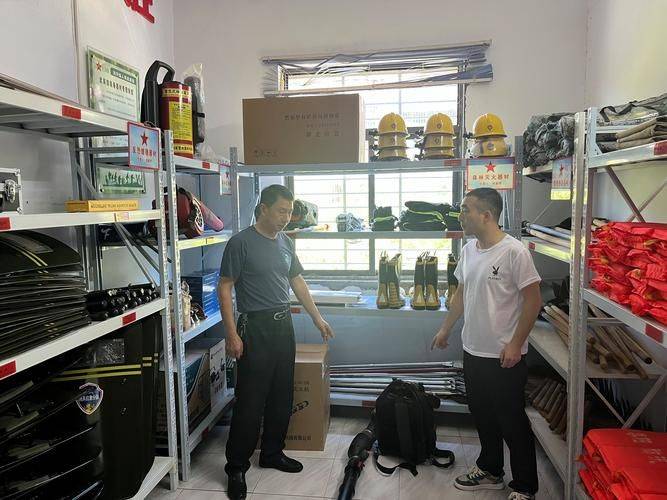
Fire-fighting equipment is of a wide variety of types and the complexity of its presence needs to be analysed in the light of fire-fighting equipment models, standards, parameters, performance operational requirements and specific operational technical standards. Procurement based on fire safety procurement specifications. However, owing to historical factors and configuration storage requirements, there are significant differences in the storage of different firefighting equipment. There were excess or inadequate fire-fighting equipment for spare parts. The need to use sophisticated equipment in the construction of fire protection equipment is costly to use and maintain and may cause technical deviations if the equipment is not properly operated, with consequences for subsequent use of the equipment. In addition, such precision equipment is generally operating with low frequency and the use of firefighters is low. The lack of uniform standards for the management of fire equipment and the high quality of products have a direct impact on the smooth running of fire protection and the high cost of subsequent maintenance。
1. 2 inadequate replacement maintenance of firefighting equipment
The level of operation of fire fires on the ground is complex and the level of combined requirements for different fire equipment is high. There is a need to replace fire equipment in a timely manner in the face of domestic specifications. The actual frequency of use of equipment is inadequate, the durability of the equipment is not in place and there is a wide gap in accessibility. There are disadvantages in the operation of firefighting equipment. In order to better stabilize the management of fire-fighting equipment, which has special elements, normative forms and management standards need to be defined in conjunction with actual needs. Follow-up maintenance and fund management of fire-fighting equipment is heavily invested and cannot be met for follow-up maintenance of equipment。
1. 3 inadequate capacity for specialized fire maintenance
Specialized technical maintenance staff are required in the regulatory management of fire-fighting construction and, in the event of damage to fire-fighting equipment, it is necessary to maintain it in a timely manner in order to prevent any subsequent surge in use as the maintenance of fire-fighting equipment is not timely. However, in fire-fighting operations, there are often instances of inadequate management of fire-fighting equipment, significant discrepancies in the operation of fire-fighting equipment, irregularities in equipment maintenance and delays in management, which directly affect the operational requirements for follow-up performance of fire-fighting equipment. The lack of science-based technical training for fire protection professionals and the lack of long-term planning for talent management have resulted in brain drains and faults。
1. 4 inadequate familiarity with firefighting equipment
Firefighters face complex, mutation fire tasks that require sufficient familiarity with fire equipment to be able to respond to volatile fire relief efforts. In the use of fire-fighting equipment, the lack of day-to-day training, the lack of learning about the use of new equipment, the lack of awareness, and the lack of operational proficiency directly affect the rapid mastery of fire-fighting personnel, leading to delays in follow-up maintenance。
1. 5 significant maintenance costs
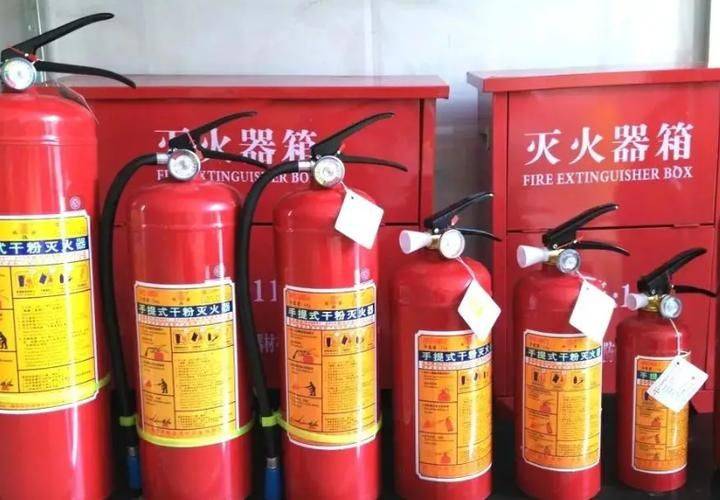
Fire-fighting equipment needs to be optimized on a regular basis to debug the overall performance and specifications and to focus on the improvement of the overall efficiency level of fire suppression. The high level of funding required for the actual operation and the insufficient level of funding for fire-fighting equipment can affect the maintenance and management of fire-fighting equipment, leading to an overall lack of security of equipment and even to fire safety hazards. Many fire-fighting equipment is expendable, long-term non-maintenance or non-applicability, leading to equipment wear and tear, reduced useful life of the equipment and failure to meet the actual standard requirements for its use. If fire-fighting equipment is to be repaired, it will need to be returned to the plant for disposal, which will be labour, material and time-consuming and will not facilitate the follow-up work of the fire-fighting team and may even lead to delays in the level of fire-fighting maintenance。
1. 6 inadequate management of fire oversight mechanisms
The regulatory management of fire-fighting equipment is inadequate, and there is a lack of regulatory fire-fighting supervision to allow for timely upgrades of the quality of fire-fighting equipment. Fire-fighting equipment is poorly managed, poorly planned and used for late maintenance is highly variable and vulnerable. Equipment in the operational configuration has a wide variety of material types and does not have a uniform standard of practice. There are differences in the management of different fire-fighting operational mechanisms. The maintenance of spare parts varied significantly, the damage to firefighting spare parts was not matched in a timely manner, replacement costs were high and equipment follow-up was difficult. The lack of necessary attention and planning for maintenance in the face of the management maintenance of the fire-fighting oversight mechanism resulted in the delay and insufficiency of maintenance of fire-fighting equipment。
2 operational programme for maintenance and enhancement of firefighting equipment
2. 1 normative maintenance practices
In the regulatory management of fire protection equipment, attention needs to be paid to the standard operation of fire equipment and operating licences, to the construction of public fire services and to the establishment of a regulatory basis for supervision in accordance with the actual regulations. Qualifications for fire-fighting equipment require the approval of a professional construction department and are issued after clearance by the business sector. In accordance with the maintenance and management requirements of the standard equipment, construction needs to be carried out in conjunction with the relevant departments, the collaborative construction development approach of the fire department needs to be strengthened and the regulatory and regulatory level of industry supervision improved. Maintenance of fire-fighting equipment is carried out in strict compliance with the determination of fire-fighting qualifications, attention is paid to upgrading the quality-standard operating system, defining the standard management requirements for fire-fighting equipment, and defining standards for equipment levels and subsequent standard operating management programmes。
2. 2 establishment of professional qualifications of maintenance staff
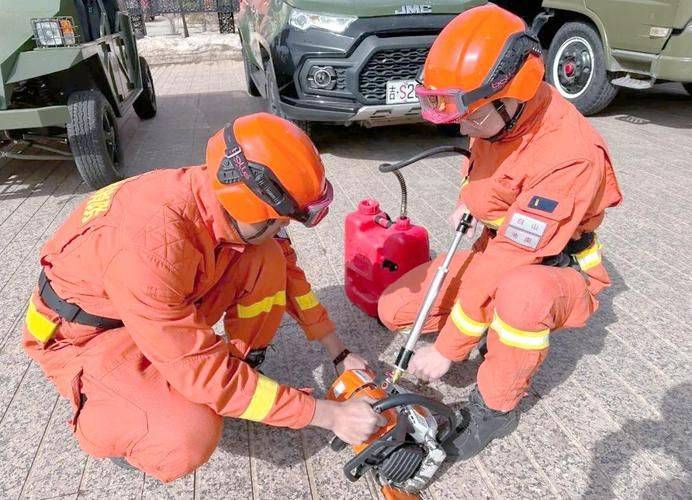
Depending on the level of professionalism of the maintenance staff, the standard requirements for a standardized management system for access to qualifications need to be implemented. (b) to establish the regulatory requirements for the qualification of examinations and to upgrade professional skills training, in accordance with the relevant modalities of qualification building. In particular, in building the level of information management, there is a need to strengthen maintenance of equipment, to bring in specialized technical staff and to upgrade the professional skills maintenance management of follow-on staff。
2. 3 normative contract construction for maintenance
In accordance with the regulatory requirements for fire-fighting equipment, there is a need to strengthen supervision at the level of follow-up maintenance. Emphasis is placed on strict compliance with the management requirements of the contract, on the signing of contracts for the maintenance of equipment, on the delineation of responsibilities between the parties and on the requirements of the standards governing duties and responsibilities, on the strengthening of the regulatory management of the contract for the inspection and inspection of construction, on the development of a construction plan that is consistent with the operational maintenance of actual fire maintenance and on the continuous upgrading of the maintenance level of equipment. The annex to the contract determines the equipment maintenance operation programme, strengthens management time management practices and establishes reasonable standard filing procedures。
2. 4 strict management of violations
In the management of fire maintenance equipment, attention needs to be paid to the handling of non-compliance factors. Oversight and inspection operations are carried out in strict compliance with non-compliance factors. Possible problems in maintenance operations need to be analysed in a timely manner to identify the root causes of the problem, to combine the liability factors in contract maintenance management, to determine the institutional operating options for violations, to ensure the basic requirements of conduct maintenance management, to improve the conduct of subsequent fire operations and to improve the efficiency of fire protection operations。
Concluding remarks
In summary, the maintenance and maintenance of fire-fighting equipment requires the necessary management of equipment, the establishment of basic equipment specifications, the emphasis on upgrading talent training and management levels, the strengthening of contractual specifications, the timely handling of oversight and management deficiencies and severe penalties for irregularities。